tr
B.Sc (Optometry)
B.Sc (Optometry)

B.Sc (Optometry)

The Bachelor of Science (B.Sc) in Optometry program at Quantum University is a meticulously designed undergraduate course that offers students an in-depth understanding of eye care, vision science, and optometric techniques. Recognized as one of the leading universities in India for optometry education, Quantum University provides a dynamic curriculum that integrates theoretical knowledge with extensive clinical training, ensuring students are well-prepared to excel in the field of optometry and vision care. The program covers key areas such as ocular anatomy, visual optics, contact lenses, binocular vision, and optometric instrumentation, offering a comprehensive foundation in the science of vision. Students benefit from hands-on clinical exposure in diagnostic labs, hospitals, and community vision camps, where they develop the practical skills required to diagnose and manage visual disorders effectively. With a focus on patient care, advanced optometric technology, and innovative practices, the program equips students to provide comprehensive eye care services in diverse settings. Graduates of the B.Sc in Optometry program are prepared to pursue impactful careers as optometrists, vision consultants, eye care specialists, or advance their knowledge through further studies in vision science and healthcare. Quantum University’s commitment to academic excellence and its industry-aligned approach ensure students are ready to meet the growing demands of India’s healthcare sector.

icon 09

Comprehensive Curriculum

Covers a wide range of topics, including ocular anatomy, visual optics, contact lenses, binocular vision, and optometric instrumentation, providing a robust theoretical and practical foundation.

icon 02

Hands-On Training

Offers extensive clinical exposure in diagnostic labs, hospitals, and community vision camps, ensuring students gain real-world experience in diagnosing and managing visual disorders.

icon 04

Focus on Advanced Optometric Technology

Emphasizes the use of innovative tools and techniques, ensuring students are proficient in the latest advancements in vision science and eye care.

icon 07

Diverse Career Opportunities

Prepares graduates for careers as optometrists, vision consultants, eye care specialists, or further education in advanced vision science and healthcare management, catering to the growing demand for skilled professionals in India’s eye care industry.

Program Overview

The B.Sc in Optometry program at Quantum University is designed to provide students with a strong foundation in optometry, vision science, and eye care technology. The curriculum encompasses advanced subjects such as ocular anatomy, visual optics, contact lenses, binocular vision, and optometric instrumentation, equipping students with the knowledge and skills needed for professional success. Through extensive clinical training, students gain hands-on experience in diagnostic labs, hospitals, and community vision camps, enabling them to effectively diagnose and manage visual disorders. The program emphasizes technical expertise, patient-centered care, and the use of advanced optometric tools and techniques, preparing graduates for leadership roles in the eye care industry. Recognized as one of the top optometry colleges in India, Quantum University ensures its graduates are well-prepared to contribute to India’s growing healthcare sector by providing high-quality eye care services.

Program Structure

The Bachelor of Optometry (B. Optometry) program at Quantum University is a 4-year full-time undergraduate program, including a 1-year compulsory clinical internship, designed to train students in the examination, diagnosis of vision disorders and ocular diseases and management of vision disorders. The program is carefully structured to develop strong theoretical knowledge and robust clinical skills, enabling graduates to serve as primary eye care professionals. In the first year , students are introduced to foundational medical sciences such as Human Anatomy, Physiology, Biochemistry, and the Basics of Optometry. The second year focuses on core optometry subjects like Ocular Anatomy and Physiology, Ophthalmic Optics, Optometric Instruments, and Visual Optics. The third year advances into specialized topics including Clinical Optometry, Contact Lenses, Binocular Vision, and Low Vision Aids. The fourth year is dedicated to a supervised internship where students receive practical exposure in hospitals, vision centers, and eye care clinics, applying their skills in real patient-care environments.

The program requires the successful completion of a minimum of 135 credits, distributed across essential academic categories such as Discipline Specific Core (DSC), Discipline Specific Electives (DSE), Multidisciplinary Core (MDC), Multidisciplinary Minor (MN) or Open Electives (OE), Ability Enhancement Courses (AEC), Skill Enhancement Courses (SEC), Value Added Courses (VAC), Summer Internship (SI), and Project Work (PR). The curriculum is designed to provide a blend of classroom instruction, clinical practice, and community outreach. Students gain hands-on experience in refraction, contact lens fitting, ocular diagnostics, low vision rehabilitation, and dispensing optics, ensuring they are well-equipped to provide comprehensive eye care.

Teaching & Assessment

At Quantum University, the teaching and assessment methods for the Bachelor of Optometry program are designed to be interactive, clinically relevant, and in line with modern optometric and ophthalmic practices. The instructional strategy includes a mix of traditional classroom lectures, hands-on laboratory sessions, clinical training, community vision screenings, workshops, guest lectures by ophthalmologists and optometrists, webinars, and certified skill-based training programs. A strong emphasis is placed on clinical postings in hospitals and vision care centers, enabling students to gain direct experience with patients under professional supervision.

Teaching is delivered by a team of highly experienced faculty with academic and clinical expertise in optometry and visual sciences. The curriculum promotes critical thinking, patient communication, and ethical clinical decision-making. Internal assessments include regular evaluations through daily performance, practical skill assessments, case presentations, assignments, and seminar discussions. University examinations are conducted at the end of each semester, comprising theory papers with a combination of short answer and objective-type questions, and structured practical examinations conducted by both internal and external examiners. The compulsory internship is also assessed based on the student’s clinical performance, patient interaction, and adherence to professional standards. The comprehensive teaching and evaluation framework ensures that graduates of the B.Sc. Optometry program are professionally competent, clinically trained, and ready to contribute effectively in independent optometry practice, ophthalmology clinics, hospitals, optical retail, and public health eye care programs.

Curriculum

  • General Anatomy
  • General Physiology
  • Health Care Delivery Systems of India
  • Communication Skills for Healthcare Professionals ‑1
  • Medical Terminology and Record-keeping
  • Computer Applications
  • Nutrition
  • Geometrical Optics 1
  • Environmental Studies
  • Indian Knowledge System
  • General Proficiency
  • General Biochemistry
  • General Pharmacology
  • Healthcare Professionalism and Values
  • Ocular Anatomy
  • Ocular Physiology
  • Physical Optics
  • Directed Clinical Education 1
  • Communication & Professional Skills II
  • General Proficiency
  • United Nations
  • Development Program
  • Disaster Preparedness & Management*
  • Ocular Biochemistry
  • Geometric Optics II
  • General and Ocular Microbiology
  • Visual Optics I
  • Optometric Optics I
  • Optometric Instruments
  • Ocular Diseases I
  • Directed Clinical Education
  • Employability Skills I (Numerical Abilities)
  • Multi-Disciplinary Minor I
  • General Proficiency
  • Clinical Examination of the ocular system
  • Optometric Optics –II
  • Visual Optics II
  • Ocular Diseases II
  • General and Ocular Pathology
  • Ocular Pharmacology
  • Patient Safety and Quality Assurance
  • Directed Clinical Education 3
  • Employability Skill-II (Aptitude & Reasoning)
  • Multi-Disciplinary Minor-II
  • General Proficiency
  • Contact lens I
  • Low Visual Care
  • Geriatric and Pediatric Optometry
  • Binocular Vision I
  • Systemic Diseases
  • Medical Psychology
  • Constitution of India, Medical Law and Ethics
  • Environmental Science
  • Multi-Disciplinary Minor-III
  • Directed Clinical Education 4
  • General Proficiency
  • Mini Project
  • Contact lens II
  • Binocular Vision II
  • Public Health and Community Optometry
  • Occupational Optometry
  • Practice Management
  • Research Methodology and Biostatistics
  • Communication Skills for HealthCare Professionals‑2
  • Directed Clinical Education 5
  • General Proficiency
  • Research Project
  • OPT Internship
  • Research Project
  • OPT Internship

Program Outcomes

Program Educational Objectives (PEO's)
PEO1
Graduates will be equipped to conduct comprehensive eye examinations and diagnose a range of ocular conditions, including refractive errors, binocular vision anomalies, and ocular pathologies.
PEO2
Graduates will be able to prescribe and dispense spectacles and contact lenses, manage non-strabismic binocular vision issues, and recommend appropriate protective eyewear for occupational safety.
PEO3
Graduates will possess the knowledge and skills necessary for the early detection and timely referral of ocular diseases such as cataract, diabetic retinopathy, glaucoma, and related conditions.
Program Specific Outcomes (PSO's)
PSO1: Optometric Assessment and Clinical Management
Graduates will be proficient in performing investigative procedures in ophthalmology and delivering effective management and rehabilitation strategies for visual system disorders.
PSO2: Optometric Specializations and Dispensing
Graduates will be skilled in diagnosing and correcting refractive errors, prescribing appropriate spectacles, and will possess sound knowledge of the design and manufacturing of spectacle lenses, contact lenses, and low vision aids.
PSO3: Community and Occupational Eye Care
Graduates will be capable of evaluating occupational visual requirements and aligning them with individuals' visual capabilities, thereby contributing to workplace eye safety and efficiency.
Program Outcomes (PO's)
PO-1: Core Disciplinary Knowledge
Graduates will possess comprehensive knowledge of optometry and its sub-disciplines, enabling them to understand and address a wide range of vision and eye health issues.
PO-2: Problem Solving and Critical Thinking
Graduates will be able to analyze complex optometric problems, evaluate information critically, and apply evidence-based reasoning to develop effective solutions.
PO-3: Innovation and Creativity
Graduates will demonstrate creativity and innovation in developing strategies, tools, or techniques to improve vision care and address emerging challenges in optometry.
PO-4: Communication Proficiency
Graduates will communicate effectively with patients, peers, and healthcare professionals using appropriate verbal, non-verbal, and written skills.
PO-5: Data Interpretation and Analytical Skills
Graduates will be proficient in collecting, analyzing, and interpreting clinical data to make informed decisions related to diagnosis and management.
PO-6: Research and Inquiry
Graduates will develop research aptitude to contribute to advancements in optometry through independent or collaborative research initiatives.
PO-7: Teamwork and Collaboration
Graduates will function effectively as part of a multidisciplinary healthcare team and collaborate to enhance patient outcomes.
PO-8: Leadership and Professional Responsibility
Graduates will be prepared to take initiative, demonstrate leadership in clinical and community settings, and uphold professional responsibility.
PO-9: Lifelong Learning
Graduates will engage in continuous learning to adapt to advancements in optometric science, technology, and practices.
PO-10: Technological Competence
Graduates will utilize modern digital tools and technologies in optometry for diagnosis, treatment, and patient education.
PO-11: Ethical and Cultural Sensitivity
Graduates will adhere to ethical principles and demonstrate sensitivity to diverse cultural backgrounds, ensuring inclusive and respectful care.
PO-12: Social and Environmental Accountability
Graduates will actively contribute to community eye health initiatives, support underserved populations, and promote environmentally responsible practices.

Minor Degree Programs

At Quantum University, students have the freedom to expand their academic horizons beyond their core area of study. Through minor programs, they can choose courses from related or entirely different disciplines, encouraging interdisciplinary learning and personal growth. This flexible approach empowers students to design a well-rounded education, explore new interests, and develop diverse skill sets that prepare them for dynamic career opportunities.

Some of the MINOR Degrees being offered are:

  • Entrepreneurship & Startups
  • Foreign languages (French)
  • Media Management
  • Financial Literacy
  • Robotics & Automation
  • Microsoft Office
  • Culinary Arts
  • Data Analytics
  • Web Designing
Explore More

Experiential Learning

Hospital Postings and Clinical Training

Hospital Postings and Clinical Training

Students are provided with extensive opportunities for immersive clinical training, supported by collaborations with established healthcare institutions.

  • Real-World Exposure: Students engage in diverse hospital activities, including assisting in diagnostic procedures, observing patient care protocols, and managing laboratory and clinical operations under professional supervision.
  • Skill Development: This hands-on experience sharpens their clinical expertise, interpersonal communication, and ability to adapt to high-pressure environments effectively.
  • Holistic Understanding: Exposure to multi- disciplinary healthcare systems helps students bridge the gap between classroom learning and practical applications, providing a comprehensive understanding of the healthcare industry.

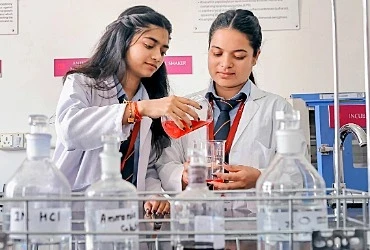
Laboratory-Based Learning

Laboratory Based Learning

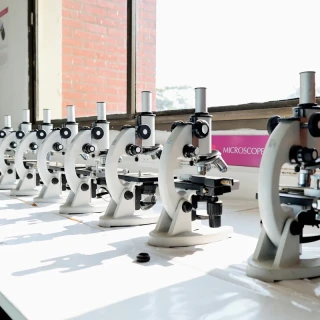
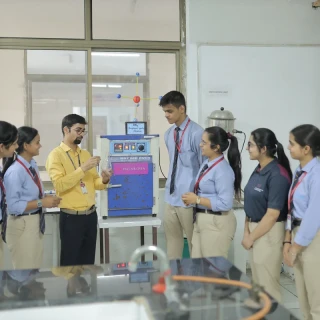
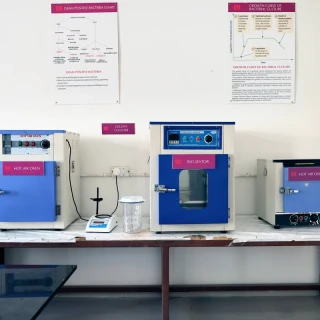
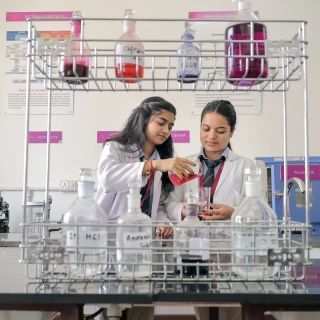
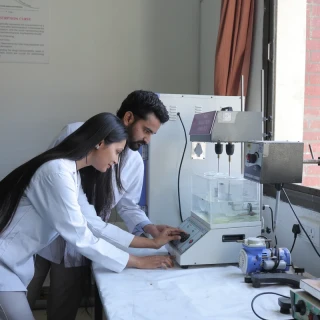
State-of-the-art laboratories equipped with advanced instruments provide an ideal environment for practical learning across disciplines like BMLT, BMRIT, and BPT.

Hands-On Training:
Students receive extensive training tailored to their respective fields:

  • For BMLT: Handling laboratory equipment such as autoclaves, hot air ovens, microscopes, laminar airflows, and diagnostic tools.
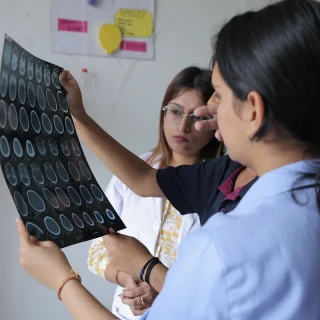
  • For BMRIT: Learning to operate imaging devices, including X-ray machines, CT scanners, and ultrasound systems, under supervision.
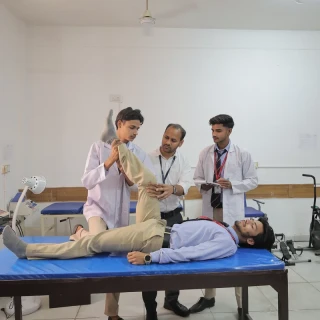
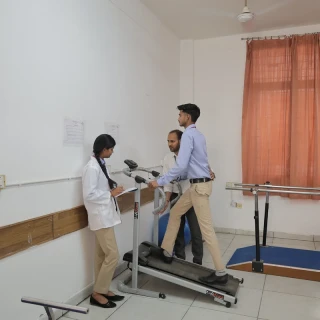
  • For BPT: Using therapeutic modalities like ultrasound therapy machines, electrotherapy devices, and rehabilitation equipment to practice physiotherapy techniques.

Practical Knowledge:
Discipline-specific activities allow students to build essential competencies:

  • BMLT: Culturing microorganisms, performing biochemical tests, hematology analysis, and studying pathology specimens.
  • BMRIT: Simulated patient positioning for imaging, analyzing radiographic images, and studying advanced imaging technologies like MRI.
  • BPT: Demonstrating and practicing rehabilitation exercises, designing therapy protocols, and performing functional assessments.

Skill Refinement:
Through continuous practice and expert mentorship, students develop:

  • Technical Precision: Mastery in handling equipment and performing procedures accurately.
  • Safety and Protocol Adherence: A deep understanding of laboratory and clinical safety standards across all programs.
  • Critical Thinking: Analytical skills to interpret results, assess patient needs, and troubleshoot equipment issues.

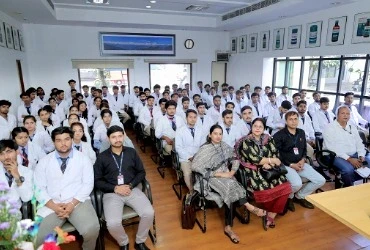
Workshops and Seminars

Workshops and Seminars

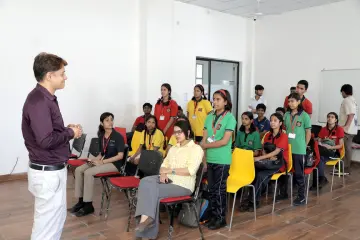
Regularly organized workshops and seminars offer students the chance to interact with industry experts and learn about the latest advancements in paramedical sciences.

  • Knowledge Expansion: These events focus on specialized topics like advanced diagnostic techniques, emerging trends in healthcare technology, and patient management strategies.
  • Interactive Learning: Students actively participate in hands-on demonstrations, role-play exercises, and discussions, enhancing their ability to grasp and apply new concepts.
  • Professional Networking: Interaction with guest speakers and professionals allows students to build connections that can guide their career paths and offer industry insights.

Community Engagement Programs

Community Engagement Programs

Community Engagement and Social Responsibility

The department emphasizes the importance of social responsibility and community outreach as integral components of its curriculum, ensuring students from programs like BMLT, BMRIT, and BPT gain holistic development alongside professional training.

  • Health Awareness Camps: Students actively participate in organizing health camps to educate communities about common health issues such as low backache, malnutrition, hygiene, and lifestyle disorders. These camps also offer free basic health check-ups, fostering preventive healthcare awareness.
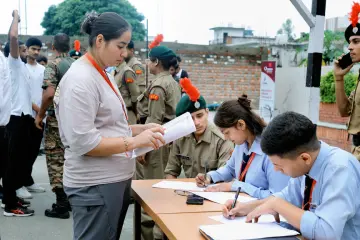
  • Community Outreach Activities: Initiatives such as interactive skits, street plays, and awareness drives help students address health challenges in underserved areas. They highlight topics such as child nutrition, maternal health, sanitation, and chronic disease prevention in an engaging and impactful manner.
  • Empathy and Communication Development: By engaging directly with diverse populations, students cultivate empathy and refine their communication skills. These experiences enable them to understand patients' perspectives better and prepare them for compassionate, patient-centric roles in their professional careers.
  • Wellness and Rehabilitation Programs: Students collaborate with healthcare professionals to conduct rehabilitation workshops, fitness awareness sessions, and physiotherapy demonstrations, contributing to the well-being of individuals in need.
  • Interdisciplinary Participation: Collaborative efforts between paramedical, radiology, and physiotherapy students during these activities encourage teamwork and holistic approaches to healthcare delivery.

Outstanding Career Outcomes

Our graduates are in high demand across top engineering companies and innovative startups


  • LPAHIGHEST PACKAGE OFFERED
  •  NUMBER OF COMPANIES VISITED
  •  NUMBER OF STUDENTS PLACED
  • LPAAVERAGE PACKAGE OFFERED

Career Tracks

Optometrist

Eye testing and corrective lens prescription.

Vision Therapist

Training for visual coordination.

Contact Lens Specialist

Lens fitting and maintenance.

Optical Consultant

Customer advisory and optical care.

Career Tracks
2
Career Tracks
Career Tracks
Career Tracks
Career Tracks
Career Tracks
Career Tracks
Career Tracks
bhm
bhm2
health

Entrepreneurship

Comprehensive Skill Development: At Quantum University, the teaching methodology includes extensive Skill Development Courses (SKCs) designed to equip students with the necessary skills to start their own ventures.

Entrepreneurial and Leadership Opportunities: Quantum University is providing ample opportunities to students to start their own ventures. More than 100 Start-ups are in progress.

Networking and Career Success: Quantum University fosters strong industry connections and real-world exposure, enabling students to build professional networks and unlock rewarding career opportunities.

Entrepreneurship
Entrepreneurship
Entrepreneurship
Entrepreneurship
Entrepreneurship
Entrepreneurship
Entrepreneurship
Entrepreneurship
Entrepreneurship
Entrepreneurship
Entrepreneurship
Entrepreneurship

Higher Studies

Master’s Programs: Quantum University offers a range of industry-relevant master's programs designed to deepen academic knowledge, enhance professional skills, and prepare students for leadership roles in their chosen fields.

Ph.D. Opportunities: Quantum University offers rigorous Ph.D. programs that foster advanced research, innovation, and academic excellence. With expert mentorship, interdisciplinary collaboration, and access to cutting-edge resources, scholars are empowered to contribute meaningful insights to their fields.

Networking and Career Success: Students benefit from a strong ecosystem of industry partnerships, alumni networks, and career development support. Regular workshops, internships, expert talks, and placement drives help students build valuable connections and achieve long-term career success.

Higher Studies
Higher Studies

Higher Studies

Higher Studies

Higher Studies
Higher Studies

Higher Studies

Higher Studies

Higher Studies

Higher Studies

health
rr

Mentors Who Shape Futures

n  murugalatha
Dr. N. Murugalatha
Professor
Profile
dr ankita bhatt
Dr. Ankita Bhatt
Assistant Professor
Profile
deepak kumar sharma
Deepak Kumar Sharma
Assistant Professor
Profile
mahima dwivedi
Mahima Dwivedi
Assistant Professor
Profile
paridhi rawat
Paridhi Rawat
Assistant Professor
Profile
rahul kumar
Rahul Kumar
Assistant Professor
Profile
sourabh chandra
Sourabh Chandra
Assistant Professor
Profile
vibhanshu gupta
Vibhanshu Gupta
Assistant Professor
Profile
chhavi singh
Chhavi Singh
Assistant Professor
Profile
harshit sehrawat
Harshit Sehrawat
Assistant Professor
Profile

Labs

Human Anatomy & Physiology Lab

Human Anatomy & Physiology Lab

Human Anatomy & Physiology Lab
Biochemistry Lab

Biochemistry Lab

Biochemistry Lab
Microbiology & Immunology Lab

Microbiology & Immunology Lab

Microbiology & Immunology Lab
Hematology Lab

Hematology Lab

Hematology Lab
Radiology & Imaging Technology

Radiology & Imaging Technology

Radiology & Imaging Technology
3r5a4253

Pathology & Histopathology Lab

Pathology & Histopathology Lab
Clinical Skills Lab

Clinical Skills Lab

Clinical Skills Lab
Physiotherapy Lab

Physiotherapy Lab

Physiotherapy Lab
Computing Lab

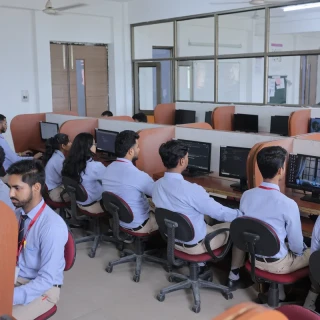
Computing Lab

Computing Lab

Research Highlights

Quantum University fully supports and encourages interdisciplinary research initiatives across different areas of study.

  • +Paper Publications
  • +Patents
  • +Startup Grants

Industry -Academic Collaborations

Quantum University has partnerships with over 150 industry leaders, providing students with valuable practical experience and exposure to current industry trends. Companies offer internships, real-world projects, and job opportunities to over 900 students annually at the best packages.



comp 04
comp 05
comp 06
comp 07
comp 08
comp 10
comp 11
comp 12


Learning Experience

curriculum

CURRICULUM

interdisciplinary

INTERDISCIPLINARY

passion programs 2

PASSION PROGRAMS (PROPS)