Program Overview
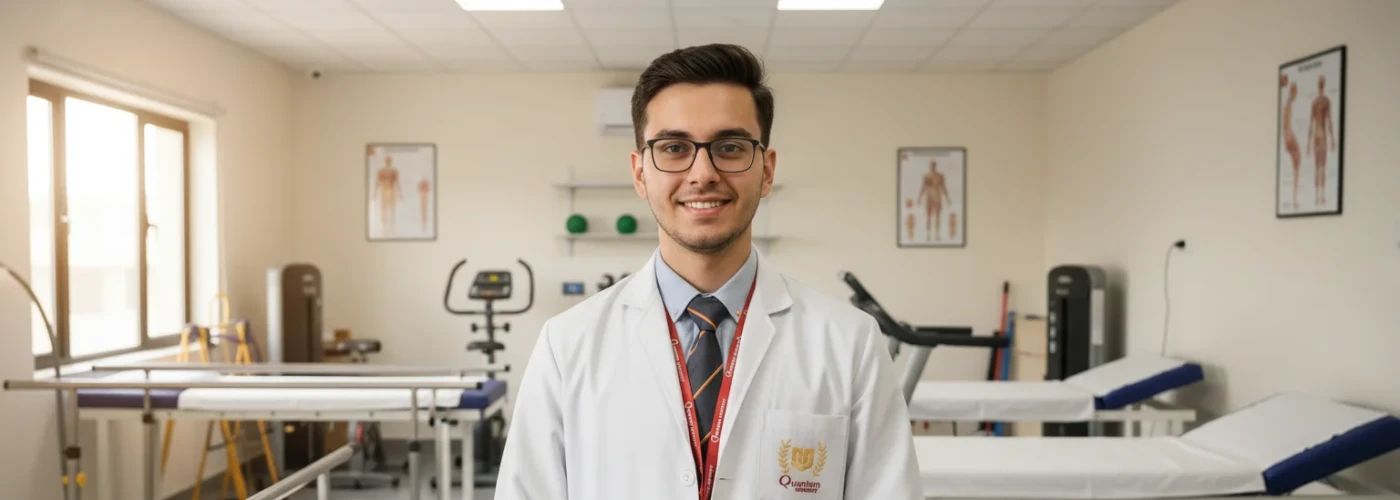
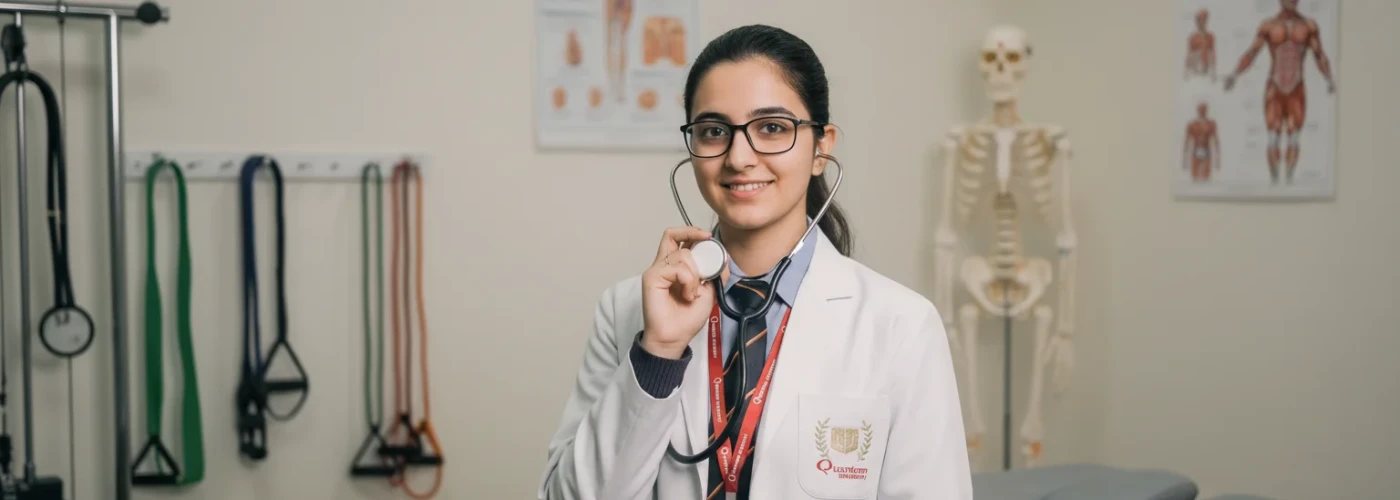
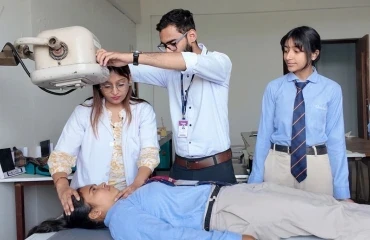
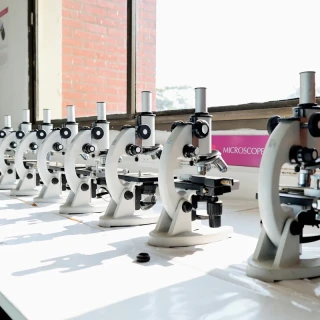
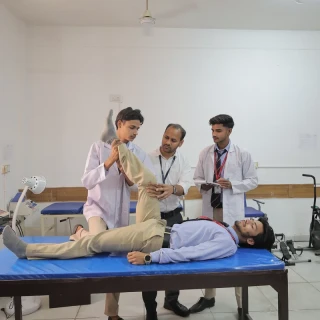
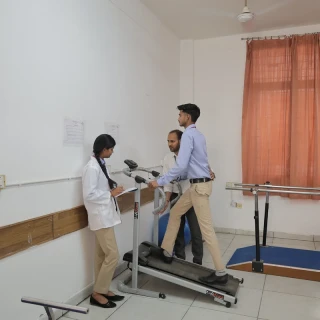
The BPT program at Quantum University is structured to equip students with the theoretical knowledge and clinical expertise required in the field of physiotherapy. Students are introduced to the human anatomy, physiology, pathology, and kinesiology in the early semesters, gradually advancing to specialized therapeutic approaches for orthopedic, neurological, cardiopulmonary, and geriatric conditions. Emphasis is placed on hands-on learning through simulated lab work, patient interaction, and supervised clinical postings.
The curriculum integrates critical areas such as biomechanics, functional assessment, therapeutic exercises, electrotherapy, and manual therapy. Workshops and seminars with industry professionals enhance exposure to new treatment techniques and global healthcare practices. Students are trained to evaluate, diagnose, and manage a wide range of physical disorders, promoting optimal physical function and improving quality of life.
Program Structure
The Bachelor of Physiotherapy (BPT) program at Quantum University is a 4.5-year full-time undergraduate program, including a compulsory 6-month internship, designed to equip students with the scientific knowledge and clinical skills required to assess, diagnose, and treat physical impairments, functional limitations, and disabilities. The program is structured to provide a strong foundation in human anatomy and physiology, followed by progressive clinical training in core areas of physiotherapy such As Orthopedics, Neurology, Cardiopulmonary Rehabilitation, Sports Physiotherapy, Paediatrics Physiotherapy, Gynaecology Physiotherapy and Community-Based Rehabilitation. In the first year, students are introduced to fundamental subjects including Human Anatomy, Human Physiology, Biochemistry, Psychology and introductory concepts in physiotherapy. The second year covers Electrotherapy, Biomechanics, Exercise Therapy, Pathology, Microbiology, and Pharmacology, integrating medical sciences with clinical applications. In the third and fourth years, students engage with advanced topics such as, Clinical Neurology and rehabilitation of neurological conditions, Clinical Musculoskeletal conditions (Orthopedic) & Musculoskeletal Physiotherapy, cardiopulmonaryconditions & rehabilitation Research Methodology, and community-based rehabilitation, General Surgery & Medicine its rehabilitation. The final 6-month internship allows students to apply their learning in real clinical settings under the supervision of licensed physiotherapists and physicians.
The program requires the successful completion of a minimum of 160 credits, which are spread across key academic components including Discipline Specific Core (DSC), Discipline Specific Electives (DSE), Multidisciplinary Core (MDC), Multidisciplinary Minor (MN) or Open Electives (OE), Ability Enhancement Courses (AEC), Skill Enhancement Courses (SEC), Value Added Courses (VAC), Summer Internship (SI), and Project Work (PR). The curriculum is carefully designed to combine classroom learning, clinical practice, and evidence-based approaches to rehabilitation. Through structured theoretical modules and extensive patient-centered clinical training, students gain the competencies needed to work in hospitals, rehabilitation centers, sports clinics, and community health organizations.
Teaching & Assessment
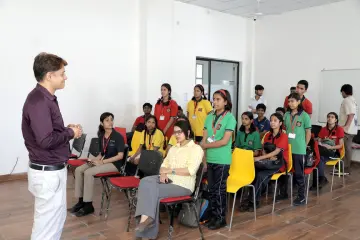
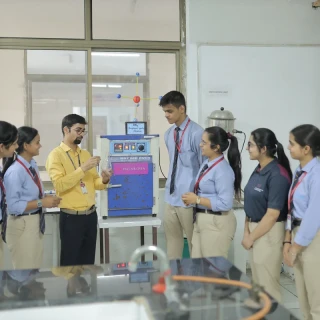
At Quantum University, the teaching and assessment methods for the BPT program are crafted to be practical, dynamic, and aligned with the latest standards in physical rehabilitation sciences. The instructional methodology includes interactive classroom sessions, laboratory demonstrations, supervised clinical practice, patient case discussions, workshops, seminars, and guest lectures from experienced physiotherapy professionals and healthcare experts. Clinical postings and field-based training in hospitals and rehabilitation centers ensure students develop hands-on skills and real-world clinical reasoning abilities.
The teaching is conducted by qualified faculty members with specialized experience in physiotherapy and allied health sciences, ensuring that students are guided through both academic knowledge and its application in clinical environments. Emphasis is placed on developing a deep understanding of movement science, therapeutic exercise, patient communication, and evidence-based practice. The assessment process is multifaceted, incorporating internal evaluations such as daily clinical performance, assignments, seminar presentations, lab work, and case report submissions. Apart from internal assessments, students must also undergo university-level evaluations that include both written theory exams and practical tests. These are generally conducted by a board comprising one examiner from within the institution and one from an external organization. Additionally, students’ performance during the internship is thoroughly reviewed to ensure they demonstrate the required clinical skills and uphold professional standards.


 Undergraduate
 Postgraduate



 Career Tracks
  Entrepreneurship
 Higher Studies
















































_1792149278_582f87ff.webp)