Program Overview
Program Overview
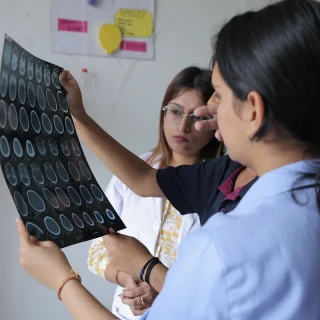
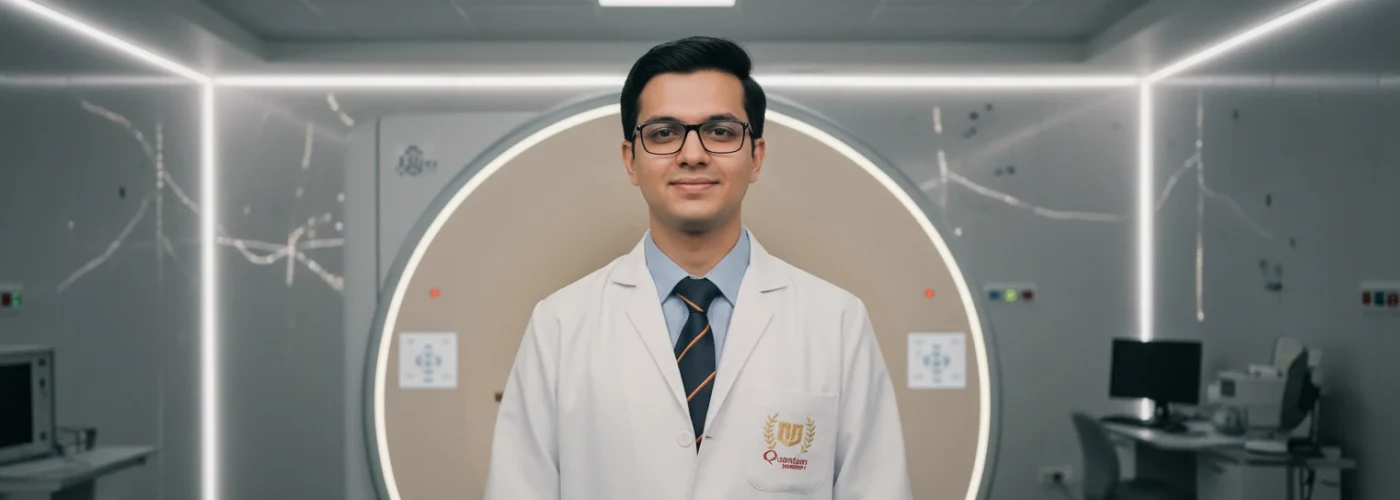
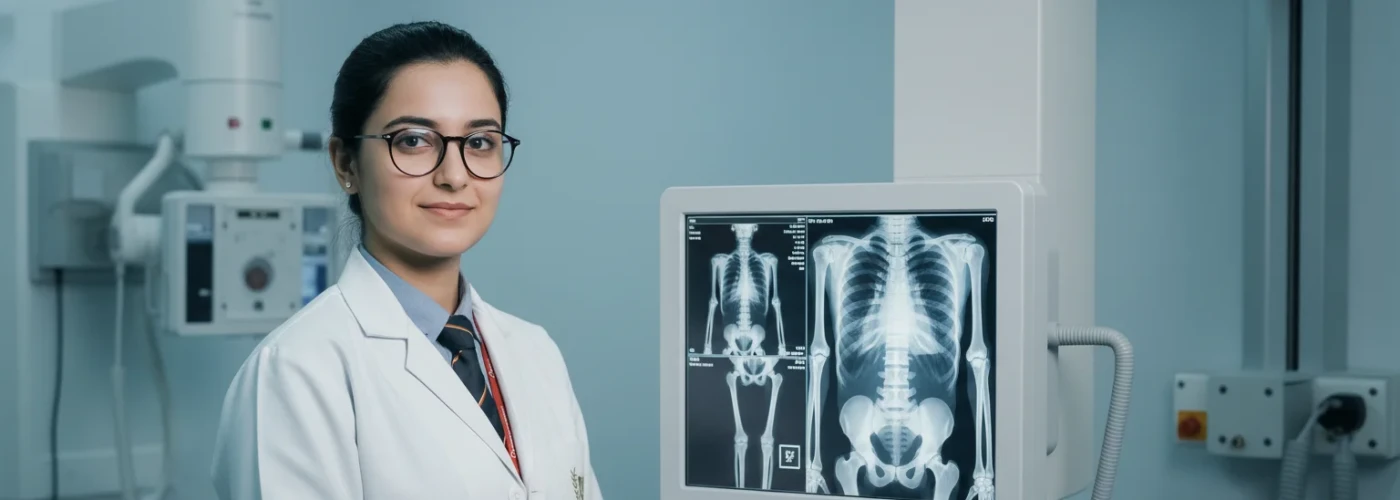
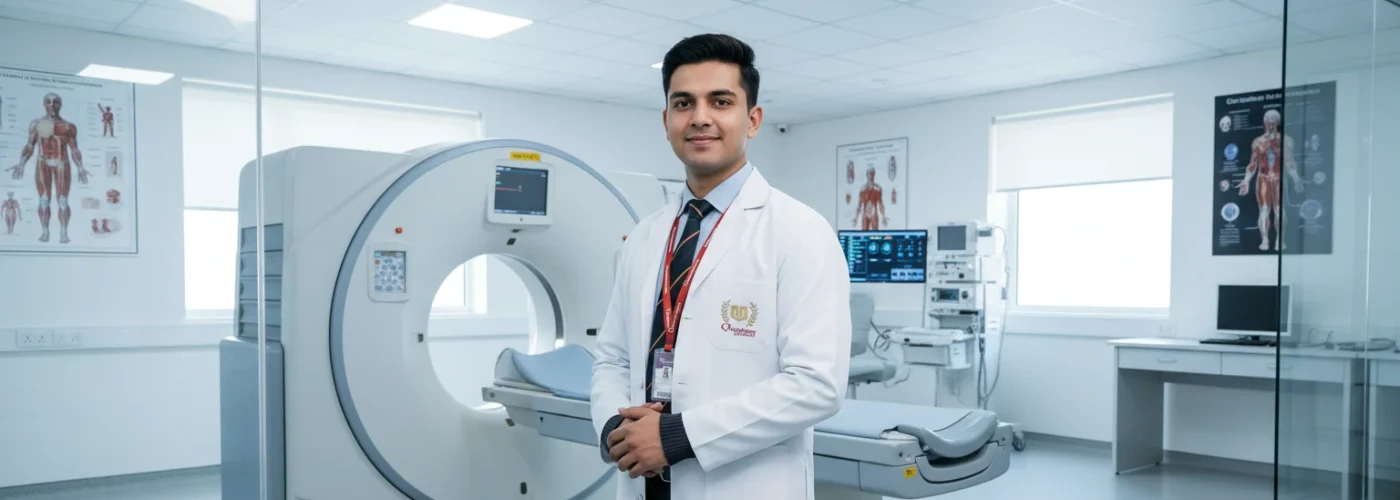
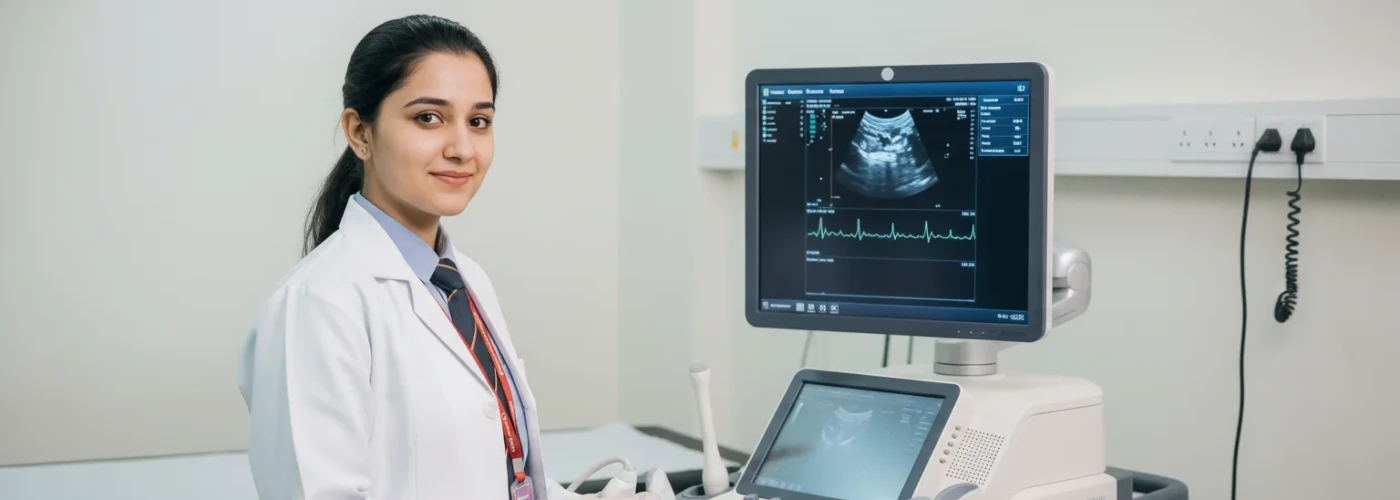
The BMRIT program at Quantum University is designed to equip students with advanced skills and knowledge in radiology and medical imaging technologies. The curriculum encompasses key subjects such as radiographic imaging, CT scans, MRI techniques, ultrasound technology, and radiation safety, providing a comprehensive understanding of modern imaging practices. Students gain hands-on experience through practical training in hospitals, diagnostic centers, and specialized imaging labs, enabling them to operate cutting-edge diagnostic tools with confidence. Emphasizing technical precision, patient care, and safety protocols, the program prepares graduates to excel in critical roles within the healthcare industry. Recognized as one of the best BMRIT programs in India, Quantum University ensures its graduates are well-equipped to pursue careers as radiology technologists, MRI specialists, sonographers, and imaging consultants, contributing significantly to the field of medical diagnostics.
Program Structure
The Bachelor of Medical Radiology & Imaging Technology (BMRIT) program at Quantum University is a 3.5-year full-time undergraduate program, which includes a 6-month/ I year compulsory internship designed to provide students with in-depth training in diagnostic imaging techniques. The program is structured to develop both academic knowledge and clinical proficiency, ensuring students are well-prepared for careers in medical imaging and radiology. The curriculum is spread across foundational sciences, radiation safety, and advanced diagnostic modalities. In the first year, students focus on core subjects such as Anatomy, Physiology, and Biochemistry, laying a strong scientific foundation. The second yearcovers Radiation Physics and Protection, emphasizing safety principles and their practical applications in medical imaging environments. The third year and internship period introduce students to advanced imaging techniques including Computed Tomography (CT), Magnetic Resonance Imaging (MRI), and Ultrasonography, complemented by real-time clinical exposure.
The program requires the successful completion of a minimum of 160 credits, which are allocated across key academic components including Discipline Specific Core (DSC), Discipline Specific Electives (DSE), Multidisciplinary Core (MDC), Multidisciplinary Minor (MN) or Open Electives (OE), Ability Enhancement Courses (AEC), Skill Enhancement Courses (SEC), Value Added Courses (VAC), Hospital Postings, Summer Internship (SI), and Project Work (PR). The curriculum is carefully designed to build a solid foundation in areas such as Radiographic Techniques, CT and MRI Imaging, Ultrasound Technology, Radiation Physics, Nuclear Medicine, and Patient Care in Radiology. Through a blend of theoretical instruction and intensive hands-on training, the program ensures that students develop both technical proficiency and clinical competence required in healthcare environments.
Teaching & Assessment
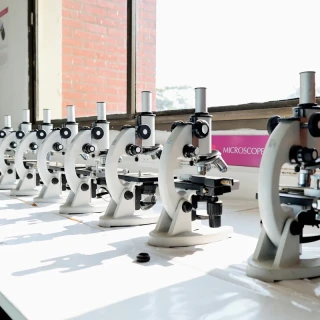
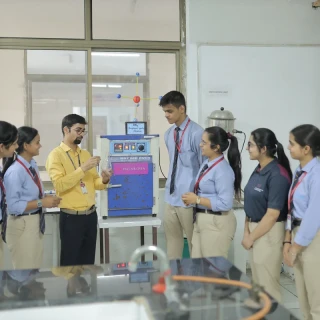
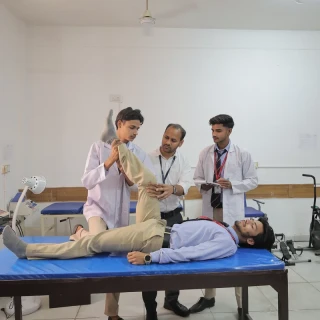
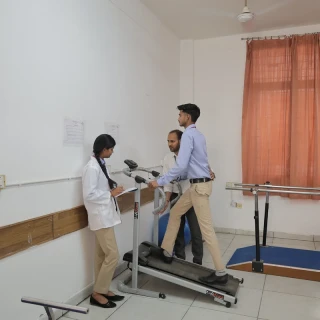
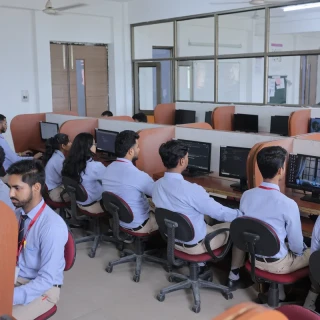
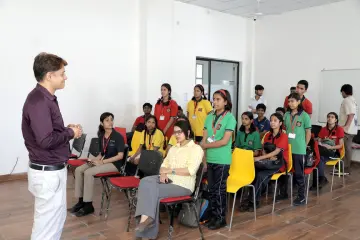
At Quantum University, the teaching and assessment methods for the BMRIT program are designed to be practical, engaging, and aligned with current industry needs. The instructional approach incorporates a variety of interactive and experiential learning formats, including classroom lectures, lab-based practicals, clinical postings, guest lectures by healthcare professionals, seminars, workshops, webinars, and hospital-based certified training programs. A strong emphasis is placed on real-world exposure through hospital internships and simulation-based learning, allowing students to apply their knowledge in actual clinical settings. Teaching is guided by expert faculty members with extensive experience in radiology and allied health sciences, ensuring that students stay informed about the latest technologies and techniques in the field. Assessment strategies are diverse and continuous, including written assignments, examinations, practical demonstrations, case study analysis, clinical evaluations, research projects, and feedback from internships. These methods are designed to holistically measure a student’s academic understanding, practical skills, and professional readiness for the healthcare sector.


 Undergraduate
 Postgraduate





 Career Tracks
  Entrepreneurship
 Higher Studies