Laboratory Training
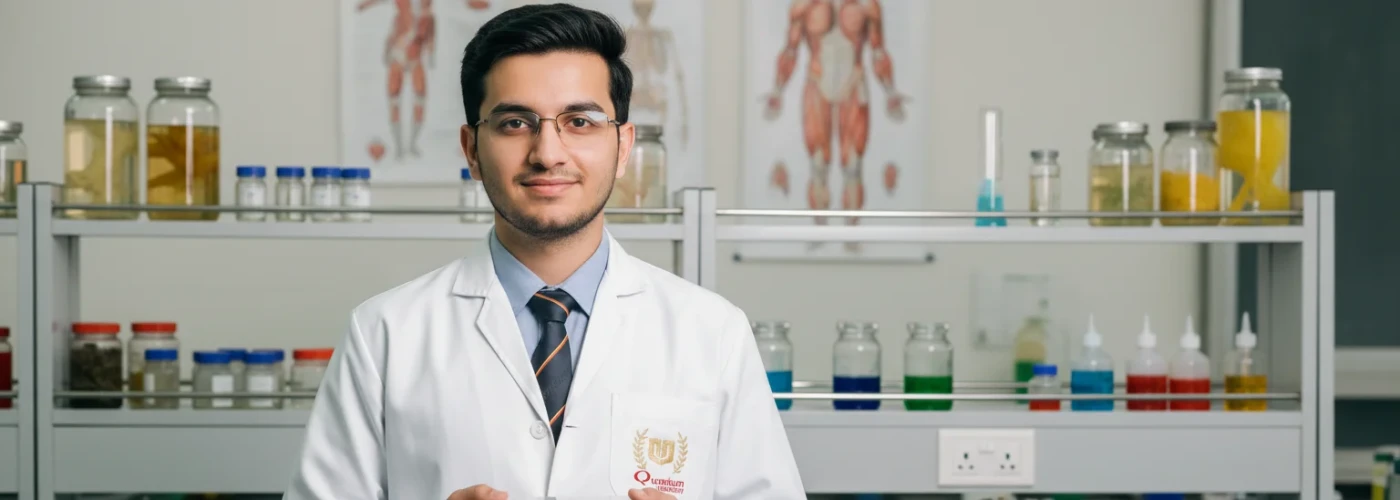
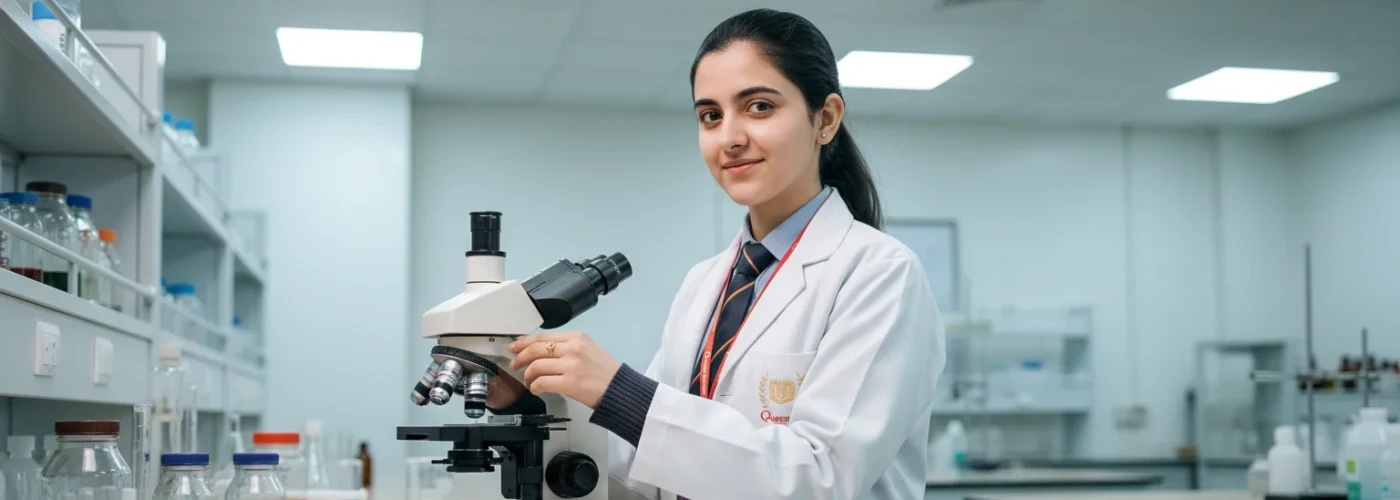
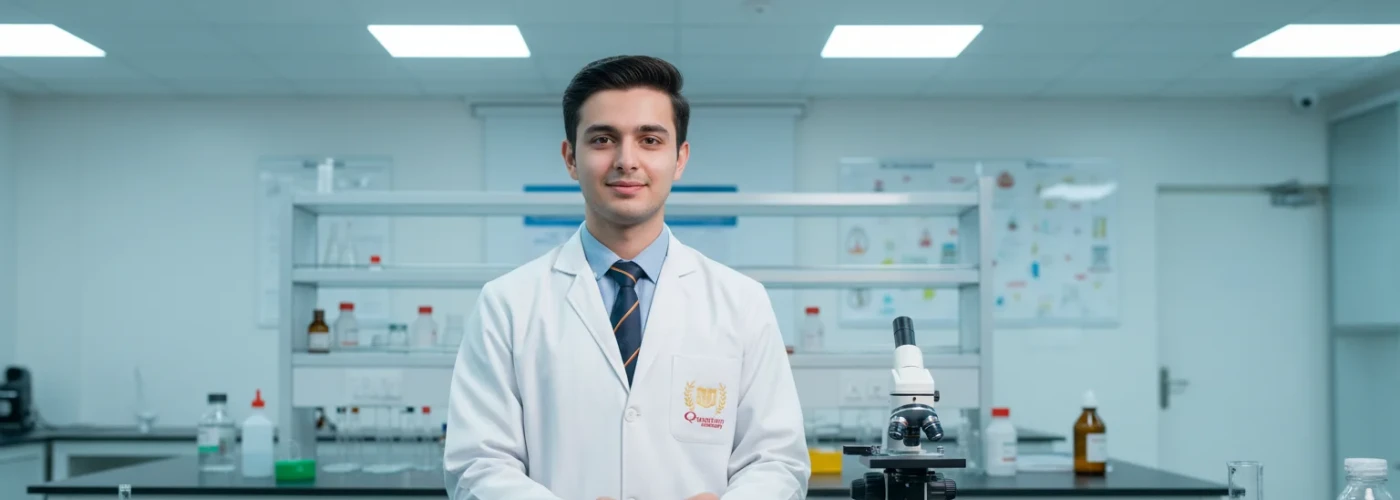
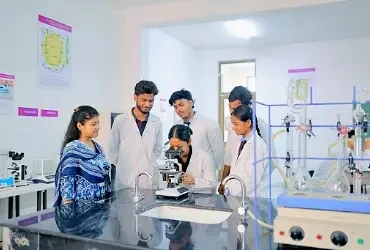
Laboratory Training is a core element of experiential learning in the B.Sc. (Hons) CBZ program. It provides students with hands on experience across Chemistry, Botany, and Zoology laboratories. Students perform experiments, prepare specimens, conduct chemical analyses, and observe biological samples using standard scientific techniques and instruments. This practical exposure helps students understand experimental methods, laboratory safety, and accurate data recording. By linking theoretical concepts with direct experimentation, laboratory training builds scientific skills, analytical thinking, and discipline. It prepares students for careers in research, education, laboratory services, environmental studies, and higher academic pursuits in the basic sciences.
Fieldwork & Surveys
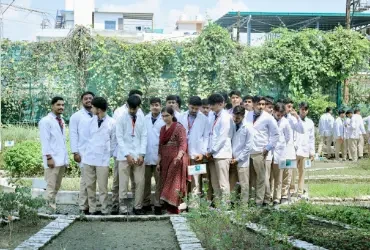
Fieldwork and Surveys are important aspects of experiential learning in the B.Sc. (Hons) CBZ program. They provide students with practical exposure to natural environments and real biological systems. Through botanical surveys, zoological observations, ecological sampling, and environmental studies, students learn how data is collected outside the laboratory. Fieldwork helps students understand species diversity, habitats, ecosystems, and environmental interactions. Surveys also train students in observation, documentation, and basic research methods. By engaging directly with nature and field based studies, students develop scientific curiosity, analytical skills, and a deeper understanding of how theoretical concepts apply in real world contexts.
Research Projects
Research Projects are a key component of experiential learning in the B.Sc. (Hons) CBZ program. Students undertake guided research work that integrates concepts from Chemistry, Botany, and Zoology. These projects involve problem identification, experimental planning, data collection, analysis, and interpretation. Through hands on research, students learn scientific methodology, critical thinking, and accurate documentation. Working on real research questions helps bridge theory with practice and builds research confidence. This experience prepares students for future roles in research laboratories, environmental studies, education, scientific services, and postgraduate studies in the basic sciences.
Workshops & Seminars
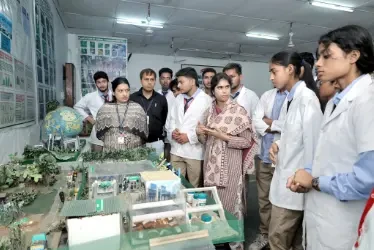
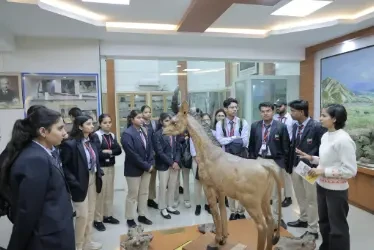
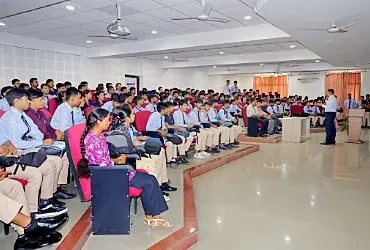
Workshops and Seminars are an essential part of experiential learning in the B.Sc. (Hons) CBZ program. These sessions expose students to recent developments in Chemistry, Botany, and Zoology, along with emerging research areas and practical applications. Conducted by subject experts, researchers, and industry professionals, the sessions focus on experimental techniques, field practices, and scientific career pathways. Interactive discussions and demonstrations help students connect classroom learning with real scientific work. Participation in workshops and seminars enhances subject understanding, communication skills, and awareness of opportunities in research, education, and applied science fields.
Career Preparedness
Career Preparedness is an important outcome of experiential learning in the B.Sc. (Hons) CBZ program. Through laboratory training, fieldwork, research projects, and academic interactions, students develop practical skills and scientific discipline required for professional growth. Career focused sessions, mentoring, and exposure to research and applied science fields help students understand diverse career pathways. Students build competencies such as analytical thinking, problem solving, communication, and ethical practice. This holistic preparation supports smooth transition into higher education, research roles, teaching, laboratory services, environmental studies, and other science based careers.


 Undergraduate
 Postgraduate


 Career Tracks
  Entrepreneurship
 Higher Studies