Program Overview
The B.Tech (Hons.) in Computer Science and Engineering (CSE) with a specialization in cybersecurity addresses the growing demand for skilled professionals in India's IT sector, especially with the rise in cybersecurity breaches and the push towards Digital India initiatives. This program offers a balanced mix of theoretical knowledge and practical applications, emphasizing tools and techniques such as firewalls, penetration testing frameworks, encryption algorithms, and intrusion detection systems.
The curriculum is designed to align with the latest advancements in cybersecurity while addressing challenges unique to the Indian market, such as securing large-scale digital infrastructure and combating financial fraud. By engaging in practical training through cybersecurity labs, real-world simulations, and industry projects, students gain a strong foundation to adapt to the dynamic and fast-paced cybersecurity domain. Graduates will be positioned to secure high-paying roles in MNCs, Indian IT companies, startups, government organizations, and consulting firms, contributing to building a safer digital ecosystem.
Program Structure
The B.Tech CSE – Cyber Security (in collaboration with Quick Heal) at Quantum University is a 4-year program requiring a minimum of 175 credits, structured across 9 categories including core, electives, interdisciplinary, skill, and project-based components. The program blends foundational Computer Science subjects with specialized Cyber Security topics like Ethical Hacking, Network Security, and Digital Forensics. Industry collaboration with Quick Heal ensures hands-on training, expert-led workshops, certification opportunities, and live projects. Students also undertake internships and final-year projects aligned with current industry needs, making them career-ready in the evolving field of cyber security.
Teaching & Assessment
The Teaching & Assessment approach for the B.Tech in Computer Science and Engineering – Cyber Security (in collaboration with Quick Heal) at Quantum University is crafted to meet the demands of a dynamic and evolving industry. The pedagogy blends academic rigor with practical industry relevance, ensuring that students not only understand the theoretical foundations of cyber security but are also equipped to apply their knowledge in real-world scenarios.
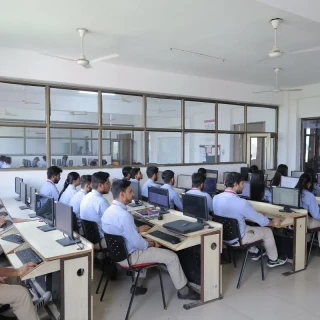
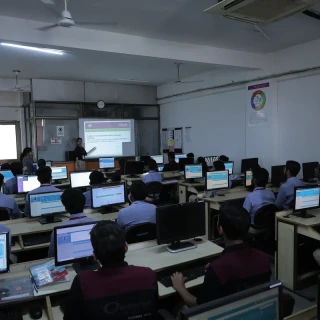
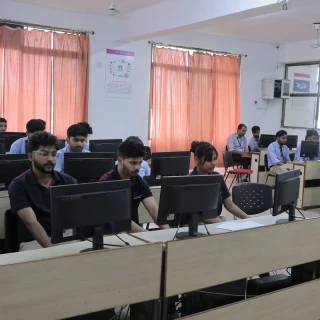
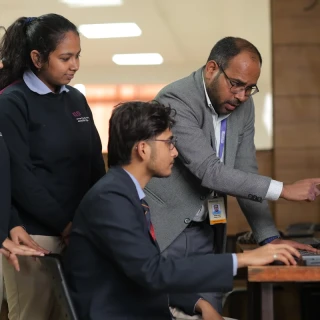
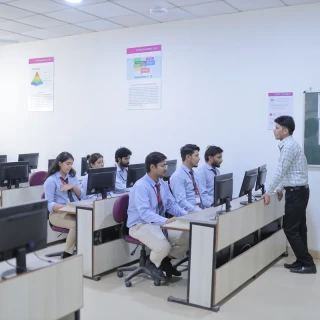
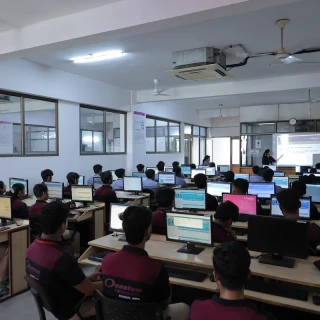
Teaching methods include a combination of lectures, hands-on lab sessions, seminars, workshops, webinars, and guest lectures delivered by both academic experts and Quick Heal professionals. Regular certified training programs, industry projects, and industrial visits are organized to offer students exposure to the latest tools, threats, and mitigation techniques in cyber security. Teaching is enhanced through interactive, student-centered learning, incorporating real-life case studies, simulated cyber-attack scenarios, and problem-solving tasks using modern tools such as Wireshark, Metasploit, and Quick Heal security platforms.
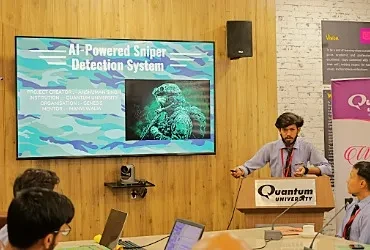
The assessment strategy is equally diverse and practice-oriented. It includes written assignments, lab-based practical evaluations, case study analysis, research reports, presentations, and examinations. Students are also assessed through project work, especially during the final year, which often involves industry-sponsored or guided research projects in cyber security. This holistic approach ensures that students graduate not only with academic excellence but also with the skills, certifications, and practical experience required to excel in the field of cyber security.


 Undergraduate
 Postgraduate







 Career Tracks
  Entrepreneurship
 Higher Studies

























































_1792149278_582f87ff.webp)