Program Overview
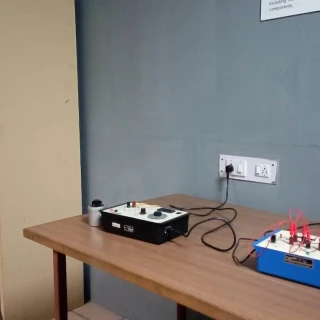
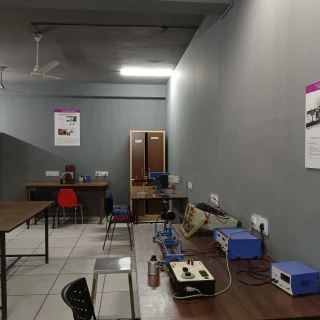
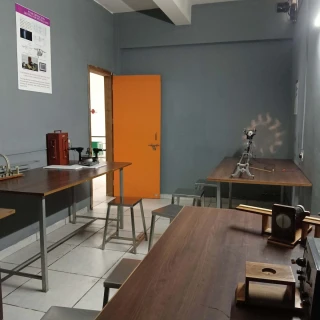
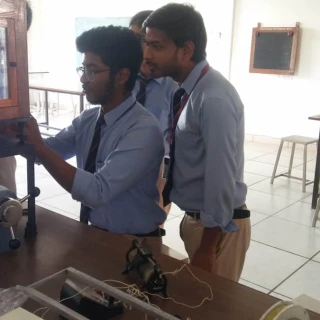
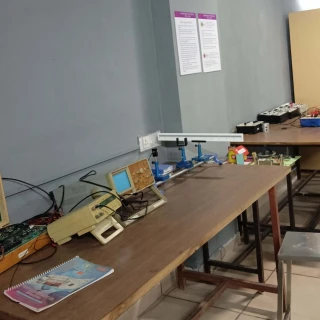
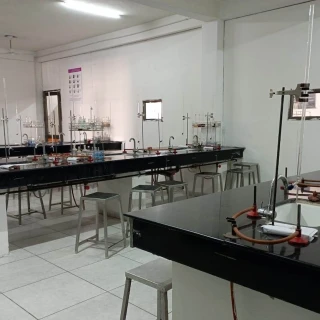
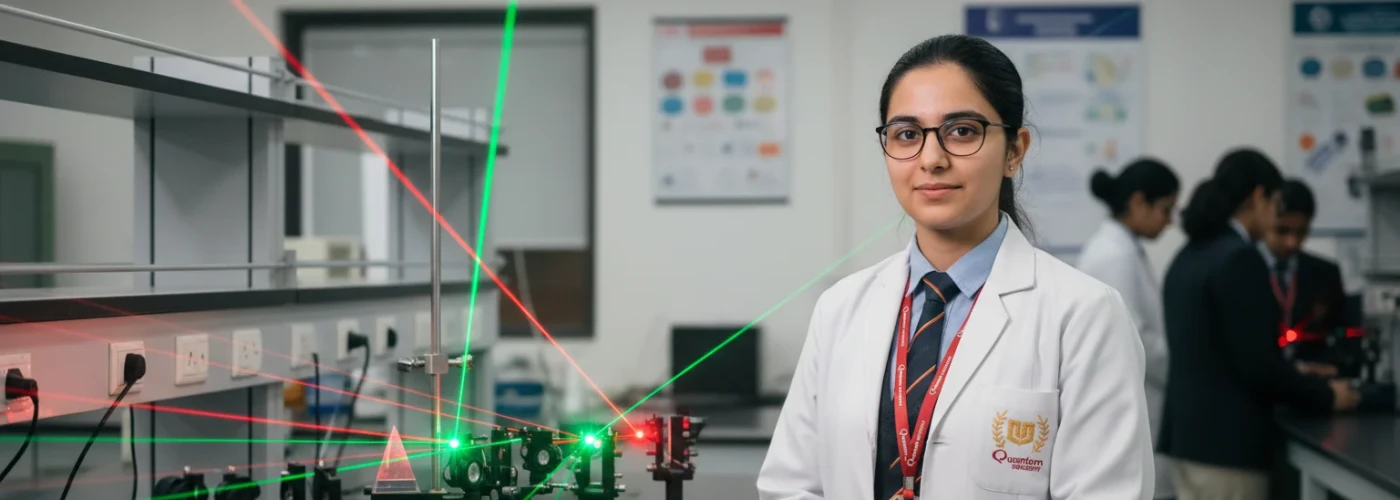
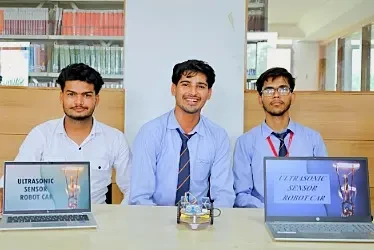
The B.Sc (Hons.) in Physics program at Quantum University is designed to foster critical thinking, analytical skills, and research aptitude in students. The curriculum encompasses advanced topics like quantum physics, material science, thermodynamics, and astrophysics, ensuring students are well-versed in both classical and modern physics concepts. Emphasis is placed on practical learning through access to state-of-the-art laboratories, research collaborations, and industry-focused workshops. Students are encouraged to engage in live projects, science exhibitions, and internships that bridge theoretical knowledge with real-world applications. Recognized among the top universities for physics in India, Quantum University equips graduates with the skills and confidence to pursue careers in academia, research labs, emerging technologies like quantum computing, and industries such as electronics and materials science. The program's unique blend of theoretical depth and practical exposure positions students for success in both national and global scientific arenas.
Program Structure
The B.Sc. (Hons) Physics program at Quantum University, Roorkee, is structured to provide a robust foundation in the first two semesters, transitioning to specialized and flexible coursework in later years. In starting Semesters, all students take mandatory core courses in Physics (covering mechanics, waves and optics, electricity and magnetism, and quantum physics), Chemistry, Mathematics, and Skill Enhancement, alongside laboratory sessions for hands-on experience with basic equipment and interdisciplinary courses like Mathematical Methods and Thermodynamics to build essential scientific tools. From Semesters 3rd onwards, students specialize in advanced physics topics such as Mathematical Physics, Advanced Electromagnetic Theory, Solid State Physics, Quantum Mechanics, Astronomy and Astrophysics, Nuclear and Particle Physics, Statistical Mechanics, Classical Dynamics, Physics of Earth, and Applied Optics, with four mandatory core courses (4 credits each) and four advanced laboratory courses (two per semester) focusing on modern equipment and experimental techniques.
Students can choose electives like Digital Systems and Applications. The program includes Discipline Specific Core(DSC), Multi-Disciplinary Core (MDC), Discipline Specific Electives (DSE), Multidisciplinary Minor (MN)/Open Electives (OE), Ability Enhancement (AEC), Skill Enhancement (SEC), Value Added Courses (VAC), Summer Internship (SI), and a Research Project/Dissertation (RP)
Teaching & Assessment
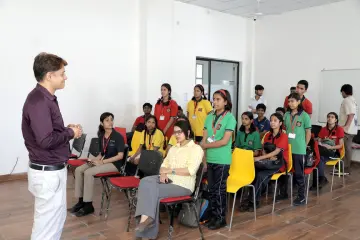
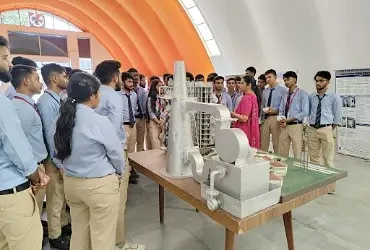
The B.Sc. (Hons) Physics program at Quantum University, Roorkee, employs a student-centric, collaborative teaching methodology aligned with NEP guidelines, emphasizing industry-relevant, interactive learning to foster problem-solving and analytical skills. Faculty provide detailed course files each semester, outlining objectives, outcomes, unit-wise syllabi, reference books, and assessment patterns, shared in advance with students. The curriculum integrates theoretical lectures, practical laboratory sessions, and interdisciplinary courses, supplemented by diverse teaching methods such as seminars, guest speakers, workshops, webinars, conferences, industrial visits, and certified training programs to ensure students can apply theoretical knowledge in real-world contexts.
Students assessment is multifaceted, involving continuous evaluation through assignments, quizzes, and practical work, with laboratory courses focusing on experimental skills and equipment handling. End-of-semester examinations cover theoretical and practical components, while final-year research projects and dissertations evaluate students’ ability to apply physics concepts practically. Interdisciplinary courses and electives are assessed via coursework and projects, promoting cross-disciplinary application.
The curriculum emphasizes hands-on learning through laboratory courses and internships, where advanced courses develop expertise in experimental and theoretical physics, preparing students for careers as physicists or in related fields, enhancing employability and research capabilities.


 Undergraduate
 Postgraduate





 Career Tracks
  Entrepreneurship
 Higher Studies