tr
B.Sc (Hons.) Agriculture

B.Sc (Hons.) Agriculture

The B.Sc (Hons.) in Agriculture program at Quantum University is an innovative undergraduate course designed to address the dynamic challenges and opportunities of modern agriculture and agribusiness. Recognized as one of the leading agricultural universities in India, Quantum University provides students with a comprehensive education that integrates sustainable practices, advanced agricultural technologies, and agribusiness management. The program covers a wide range of subjects, including agronomy, horticulture, soil science, agricultural economics, and animal husbandry, ensuring students gain both theoretical and practical knowledge. With a focus on sustainability and innovation, the curriculum equips students with the skills to promote precision farming, organic agriculture, and climate-resilient farming techniques. Students benefit from hands-on training through fieldwork, internships, and research projects in collaboration with leading agricultural firms, research organizations, and rural communities. This program is ideal for students passionate about transforming agriculture in India by contributing to food security, rural development, and the economic growth of the agrarian sector. Quantum University's holistic approach ensures graduates are well-prepared for impactful careers in agriculture, agribusiness, and allied industries, making them key contributors to India's agricultural progress and sustainability efforts.

icon 09

Comprehensive Curriculum

Covers a diverse range of topics, including agronomy, soil science, horticulture, agricultural economics, plant breeding, animal husbandry, and pest management, ensuring a well-rounded agricultural education.

icon 02

Hands-On Training

Provides extensive practical experience through fieldwork, research experiments, and internships with leading agricultural firms, research organizations, and rural communities, bridging the gap between academics and real-world applications.

icon 04

Focus on Innovation and Sustainability

Emphasizes modern agricultural techniques such as precision farming, organic agriculture, and climate-resilient farming, promoting sustainable development in agriculture.

icon 07

Diverse Career Opportunities

Prepares graduates for roles as agricultural officers, farm managers, agronomists, researchers, and professionals in agro-based industries, startups, and agribusiness management, contributing to India's agricultural and rural development.

Program Overview

The B.Sc (Hons.) in Agriculture program at Quantum University provides a robust foundation in modern agricultural practices, agribusiness management, and sustainable farming techniques. The curriculum includes specialized topics such as plant breeding, pest management, agricultural economics, and soil conservation, enabling students to address critical challenges in agriculture. Students gain practical exposure through fieldwork, research experiments, and industry internships, ensuring they are prepared for real-world agricultural demands. The program also emphasizes precision farming, organic cultivation, and rural development strategies, equipping students to contribute to food security and sustainable agricultural practices. Recognized as one of the top agricultural colleges in India, Quantum University's focus on combining theoretical learning with hands-on experience prepares graduates for leadership roles in agriculture, agribusiness, and related industries, fostering growth in India's rural economy.

Program Structure

The B.Sc. (Hons) Agriculture program at Quantum University is a four-year degree designed to balance academic rigor with practical training and entrepreneurial development. It begins with a two-week “Deeksharambh” Foundation Programme that fosters life skills, ethics, and leadership. In the first year, students study fundamental agricultural sciences and undertake a 10-week internship, with an option to exit with a UG Certificate. The second year builds on core and applied subjects, offering another exit option with a UG Diploma after completing a second internship.

From the third year, the focus shifts to advanced agricultural topics, including a field study tour in the 5th semester. In the 7th semester, students choose 20 elective credits to explore emerging fields of interest. The 8th semester emphasizes hands-on experience through the Student READY program, where students engage in RAWE, internships, project work, or industrial attachments under expert mentorship.

Throughout the course, students also complete 12 non-graded online credits via platforms like SWAYAM, NPTEL, or Coursera, allowing exploration beyond agriculture. Additional components like NSS/NCC, physical education, and yoga promote holistic development. The program ensures a strong foundation in agricultural sciences, skill development, and real-world readiness.

Teaching & Assessment

The teaching pedagogy of the B.Sc. (Hons) Agriculture programme is designed to be experiential, interactive, and learner-centric, integrating both traditional and modern approaches to education. Emphasis is placed on learning by doing through extensive fieldwork, laboratory practicals, farm-based activities, and exposure visits. The programme encourages project-based learning, enabling students to solve real-world agricultural problems while promoting creativity and innovation. Classrooms are interactive and supported with modern teaching aids and ICT tools to enhance concept clarity and engagement. The use of technolog y-enabled platforms such as SWAYAM, NPTEL, and other MOOCs allows students to pursue additional learning in areas of personal interest. Collaborative learning is fostered through group discussions, peer presentations, and student seminars. The curriculum also includes guest lectures by experts, alumni, and industry professionals to bridge academic learning with practical insights. Mentorship, study tours, and modules like RAWE and Student READY further strengthen entrepreneurship, leadership, and community engagement among students.

The assessment methods adopted in the programme are comprehensive and continuous, aimed at evaluating knowledge, skills, attitudes, and real-world application. A blend of formative (continuous internal assessments) and summative (end-of-semester exams) assessments is used. Internal assessments include class tests, quizzes, assignments, practical evaluations, and student presentations. Summative assessments involve written theory and practical exams, along with viva-voce for experiential modules. Project work, field journals, internships, and RAWE reports are evaluated based on innovation, analysis, and presentation. Students are also assessed on their performance in online courses, and certificates of completion are recorded in their transcripts. Furthermore, peer and self-assessment are incorporated in group tasks to enhance reflection and critical thinking. Participation in co-curricular and extension activities like NSS, NCC, and yoga is evaluated based on involvement and impact. Overall, the pedagogy and assessment framework of the programme ensures holistic development and prepares students to meet the professional demands of the agriculture sector.

Curriculum

  • Induction cum Foundation course (Deekshaarambh)
  • Introductory mathematics (need based)
  • Communication Skills
  • Fundamentals of Agronomy
  • Fundamentals of Soil Science
  • Fundamentals of Horticulture
  • Farming based livelihood systems
  • Rural Sociology and Educational Psychology
  • Communication Skills Lab
  • Fundamentals of Agronomy Lab
  • Fundamentals of Soil Science Lab
  • Fundamentals of Horticulture Lab
  • Farming based livelihood systems Lab
  • National Service Scheme (NSS-I)
  • Skill Enhancementcourse-I (Mushroom Production Technology)
  • Skill Enhancementcourse-II (Basic Coding in Computer Languages)
  • MOOC Course (Indian Knowledge System)
  • General Proficiency
  • Personality Development
  • Environmental Studies and Disaster Management
  • Soil Fertility Management
  • Fundamentals of Entomology
  • Livestock and Poultry Management
  • Fundamentals of Plant Pathology
  • Personality Development Lab
  • Environmental Studies and Disaster Management Lab
  • Soil Fertility Management Lab
  • Fundamentals of Entomology Lab
  • Livestock and Poultry Management Lab
  • Fundamentals of Plant Pathology Lab
  • Skill Enhancementcourse-III (Artificial Intelligence and machine learning)
  • Skill Enhancementcourse-IV (Digital Marketing)
  • National Service Scheme-II
  • MOOC Courses (United Nations Development Programme)
  • General Proficiency
  • Entrepreneurship Development and Business Communication
  • Principles of Genetics
  • Crop Production Technology-I (Kharif crops)
  • Production Technology of Fruit and Plantation Crops
  • Fundamentals of Extension Education
  • Fundamentals of Nematology
  • Principles and Practices of Natural Farming
  • Entrepreneurship Development and Business Communication Lab
  • Principles of Genetics Lab
  • Crop Production Technology Lab-I (Kharif crops)
  • Production Technology of Fruit and Plantation Crops Lab
  • Fundamentals of Extension Education Lab
  • Fundamentals of Nematology Lab
  • Principles and Practices of Natural Farming Lab
  • Skill Enhancementcouse-V (IOT (Internet of things)/Industrial IOT
  • Physical Education, First Aid and Yoga Practices
  • MOOC Courses (Online)
  • General Proficiency
  • Agri informatics
  • Production Technology of Vegetables and Spices
  • Principles of Agricultural Economics and Farm Management
  • Crop Production Technology-II (Rabi Crops)
  • Farm Machinery and Power
  • Water Management
  • Problematic Soils and their management
  • Basics of Plant Breeding
  • Agri informatics Lab
  • Production Technology of Vegetables and Spices Lab
  • Crop Production Technology Lab-II (Rabi Crops)
  • Farm Machinery and Power Lab
  • Water Management Lab
  • Problematic Soils and their management Lab
  • Basics of Plant Breeding Lab
  • Skill Enhancement course-VI (Beneficial Insect Farming)
  • MOOC Courses (Online)
  • General Proficiency
  • Agricultural Marketing and Trade
  • Introduction to Agro-meteorology
  • Fundamentals of Crop Physiology
  • Pest management in Crops and Stored Grains
  • Diseases of Field & Horticultural Crops & their Management
  • Crop Improvement - I
  • Weed Management
  • Ornamental Crops, MAPs and Landscaping
  • Agricultural Microbiology and
  • Phyto -remediation
  • Agricultural Marketing and Trade Lab
  • Introduction to Agro-meteorology Lab
  • Fundamentals of Crop Physiology Lab
  • Pest management in Crops and Stored Grains Lab
  • Diseases of Field & Horticultural Crops & their Management Lab
  • Crop Improvement Lab - I
  • Weed Management Lab
  • Ornamental Crops, MAPs and Landscaping Lab
  • Agricultural Microbiology and Phyto -remediation Lab
  • General Proficiency
  • Fundamentals of Agri Biotechnology
  • Basic and Applied Agril. Statistics
  • Crop Improvement - II
  • Renewable energy in Agriculture and Allied Sector
  • Dryland agriculture/ Rainfed agriculture and watershed management
  • Essentials of Plant Biochemistry
  • Introductory Agro forestry
  • Agricultural Finance & Cooperation
  • Fundamentals of Seed Science & Technology
  • Fundamentals of Agri Biotechnology Lab
  • Basic and Applied Agril. Statistics Lab
  • Crop Improvement Lab - II
  • Renewable energy in Agriculture and Allied Sector Lab
  • Dryland agriculture/ Rainfed agriculture and watershed management Lab
  • Essentials of Plant Biochemistry Lab
  • Introductory Agro forestry Lab
  • Agricultural Finance & Cooperation Lab
  • Fundamentals of Seed Science & Technology Lab
  • General Proficiency
  • Elective Courses (major or minor) of total 20 credits for B.Sc (Hons) Agriculture degree
  • MOOC Courses (Online)
  • MOOC Courses (Online)
  • General Proficiency
  • RAWE Component-I
  • RAWE Component-II

Program Outcomes

Program Educational Objectives (PEO's)
PEO1
To understand and be acquainted with several aspects in the field of agriculture to lead a successful career in industry or as an entrepreneur or to pursue higher education
PEO2
To develop the ability to provide solutions for complex issues in agriculture using advance technologies with sustainability.
PEO3
To install lifelong learning approach constantly evolving technologies with innovative and ethical mindset.
Program Specific Outcomes (PSO's)
PSO1
Ability to analyze and apply agricultural knowledge for proposing solutions to real world problems through incubation of innovative ideas in the agricultural field.
PSO2
To understand modern management and production techniques to resolve the agricultural issues based on societal and environmental perspective
Program Outcomes (PO's)
PO-01
Imparting the knowledge of agriculture and allied sciences related subjects in the current scenario of Agriculture.
PO-02
Develop the skills to manage agricultural farms, improve quality of farm produces and their commercial utilization.
PO-03
Design solutions for complex problems of the farming system with due consideration of public health and environmental safety.
PO-04
Explore knowledge and methods to synthesize and interpret available information to make viable conclusions.
PO-05
Select, and apply appropriate techniques, resources, and modern agriculture technologies and tools for agricultural activities with an understanding of the limitations.
PO-06
Apply reasoning to assess societal, health, safety, legal and cultural issues and the consequent responsibilities relevant to the professional practices in agriculture.
PO-07
Understand the impact of the professional scientific solutions on societal and environmental issues, and impart knowledge and need for sustainable development.
PO-08
Apply ethical principles and commit to professional ethics and responsibilities and norms of the agricultural practices.
PO-09
Function effectively as an individual, and as a member or leader in diverse teams, and in multidisciplinary settings.
PO-10
Communicate effectively through concise documents on complex agricultural problems and challenges in Agriculture.
PO-11
Impart knowledge and understand all related methods in agriculture to apply it in one’s work individually or in a team to manage projects and increase the profit from crop fields and livestock.
PO-12
Recognize the need for, and have the preparation and ability to engage independently in life-long learning in the broadest context of agricultural and technological changes.

Minor Degree Programs

At Quantum University, students have the freedom to expand their academic horizons beyond their core area of study. Through minor programs, they can choose courses from related or entirely different disciplines, encouraging interdisciplinary learning and personal growth. This flexible approach empowers students to design a well-rounded education, explore new interests, and develop diverse skill sets that prepare them for dynamic career opportunities.

Some of the MINOR Degrees being offered are:

  • Entrepreneurship & Startups
  • Foreign languages (French)
  • Media Management
  • Financial Literacy
  • Robotics & Automation
  • Microsoft Office
  • Culinary Arts
  • Data Analytics
  • Web Designing
Explore More

Experiential Learning

The B.Sc. (Hons) Agriculture program at Quantum University, Roorkee, strictly adheres to the recommendations outlined in the ICAR-6th Dean Committee Report and the National Education Policy (NEP) 2020. As part of the restructured UG curricula, this program incorporates several new initiatives designed to foster a comprehensive educational experience, aimed at enhancing knowledge, skills, and career development opportunities in agriculture.

New Age Courses

New Age Courses

To keep pace with technological advancements, the curriculum includes new-age courses such as Artificial Intelligence (AI), Robotics, and Machine Learning. These courses are designed to make students more creative, innovative, and technically proficient. Additionally, students can choose from a wide range of elective courses to gain specialized knowledge in their areas of interest.

Online Courses

Online Courses

Students are required to complete a minimum of 10 credits of online courses. These can be selected from diverse fields such as Basic Sciences, Humanities, Psychology, Engineering, Business Management, Foreign Languages, and Communication Skills. These online courses, taken from any accredited portal, aim to help students broaden their knowledge and deepen their expertise in fields beyond the core agriculture curriculum.

Entrepreneurship Development

Entrepreneurship Development

Aligned with the NEP 2020 emphasis on entrepreneurship, the B.Sc. (Hons) Agriculture program includes specialized modules to nurture entrepreneurial skills. The curriculum incorporates choice-based skill enhancement programs and practical experiences designed to foster self-employment and entrepreneurial ventures. Key components include:

  • Skill Enhancement Courses: Offered in the 1st and 2nd years as part of the regular course structure.
  • Internships: Students can undertake internships after the 1st and 2nd years, gaining practical experience and strengthening their skills in specific agricultural areas.
  • Student READY Programs: Advanced skill enhancement through in-plant training, internships, or projects during the 4th year.

These experiences empower students to explore entrepreneurial opportunities, preparing them to take leadership roles in agriculture-related industries.

Skill Enhancement Courses

Skill Enhancement Courses

The program includes choice-based skill enhancement courses that allow students to select from a variety of modules tailored to their interests. These courses are offered in collaboration with institutions, organizations, NGOs, and progressive agricultural enterprises, helping students develop practical competencies in specialized areas.

Internship Opportunities

Internship Opportunities

Internship is a key feature of the program, with exit opportunities for students who wish to earn a UG-Certificate or UG-Diploma.

  • UG-Certificate Exit: A 10-week internship after the 1st year.
  • UG-Diploma Exit: A 10-week internship after the 2nd year.
    Internships are designed to enhance students' skills and practical knowledge, ideally conducted with external organizations such as industry partners, research institutions, or progressive farmers.

Projects

Projects

Projects form an integral part of the program, providing students with an opportunity to apply their knowledge and skills in real-world scenarios. Projects may focus on research, entrepreneurship, or practical applications in the agricultural sector. This hands-on approach helps students discover their career interests, develop critical thinking, and foster creativity.

By the end of this program, graduates will possess a deep understanding of agricultural sciences and be well-equipped for employment, entrepreneurship, or further academic pursuits, contributing significantly to the agricultural sector's growth and innovation.

Outstanding Career Outcomes

Our graduates are in high demand across top engineering companies and innovative startups


  • LPAHIGHEST PACKAGE OFFERED
  •  NUMBER OF COMPANIES VISITED
  •  NUMBER OF STUDENTS PLACED
  • LPAAVERAGE PACKAGE OFFERED

Career Tracks

Agronomist

Crop production and soil management.

Farm Manager

Farm operations and planning.

Research Officer

Agricultural innovation and R&D.

Agri-Entrepreneur

Startups in agri-business and organic farming.

Career Tracks
2
Career Tracks
Career Tracks
Career Tracks
Career Tracks
Career Tracks
Career Tracks
Career Tracks
bhm
bhm2
health

Entrepreneurship

Comprehensive Skill Development: At Quantum University, the teaching methodology includes extensive Skill Development Courses (SKCs) designed to equip students with the necessary skills to start their own ventures.

Entrepreneurial and Leadership Opportunities: Quantum University is providing ample opportunities to students to start their own ventures. More than 100 Start-ups are in progress.

Networking and Career Success: Quantum University fosters strong industry connections and real-world exposure, enabling students to build professional networks and unlock rewarding career opportunities.

Entrepreneurship
Entrepreneurship
Entrepreneurship
Entrepreneurship
Entrepreneurship
Entrepreneurship
Entrepreneurship
Entrepreneurship
Entrepreneurship
Entrepreneurship
Entrepreneurship
Entrepreneurship

Higher Studies

Master’s Programs: Quantum University offers a range of industry-relevant master's programs designed to deepen academic knowledge, enhance professional skills, and prepare students for leadership roles in their chosen fields.

Ph.D. Opportunities: Quantum University offers rigorous Ph.D. programs that foster advanced research, innovation, and academic excellence. With expert mentorship, interdisciplinary collaboration, and access to cutting-edge resources, scholars are empowered to contribute meaningful insights to their fields.

Networking and Career Success: Students benefit from a strong ecosystem of industry partnerships, alumni networks, and career development support. Regular workshops, internships, expert talks, and placement drives help students build valuable connections and achieve long-term career success.

Higher Studies
Higher Studies

Higher Studies

Higher Studies

Higher Studies

Higher Studies

Higher Studies

Higher Studies

Higher Studies

Higher Studies

health
rr

Mentors Who Shape Futures

asheesh malik
Dr. Asheesh Malik
Assistant Professor
Profile
gaurav aggarwal
Dr. Gaurav Aggarwal
Associate Professor
Profile
avinash varma
Dr. Avinash Varma
Assistant Professor
Profile
shivani tyagi
Dr. Shivani Tyagi
Assistant Professor
Profile
rakesh kumar
Dr. Rakesh Kumar
Assistant Professor
Profile
sp singh
Dr. Swatantra Pratap Singh
Assistant Professor
Profile
anjay
Dr. Anjay Singh Bisht
Assistant Professor
Profile
jagatpal
Dr. Jagatpal
Assistant Professor
Profile
naveen chandra
Naveen Chandra
Lecturer
Profile
monica
Monika
Lecturer
Profile

Labs

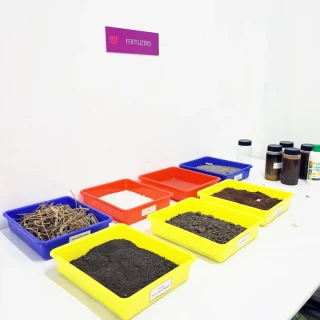
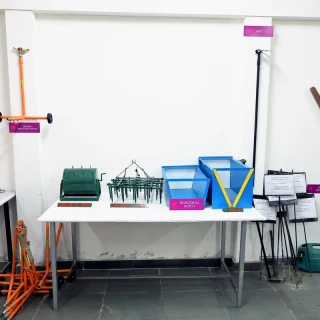
Agronomy and Extension lab

Agronomy and Extension lab

Agronomy and Extension lab
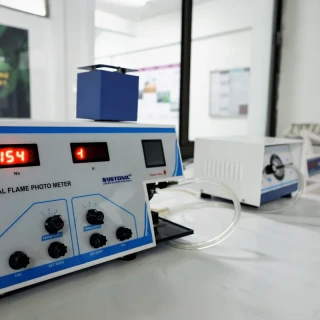
Biochemistry and Environmental Science Lab

Biochemistry and Environmental Science Lab

Biochemistry and Environmental Science Lab
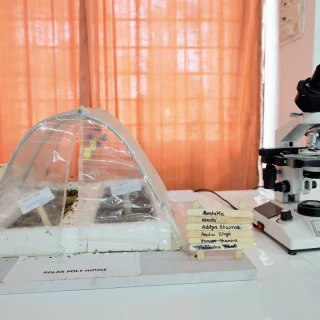
Entomology Lab

Entomology Lab

Entomology Lab
Horticulture and Plant Breeding Lab

Horticulture and Plant Breeding Lab

Horticulture and Plant Breeding Lab
Soil Science Lab

Soil Science Lab

Soil Science Lab

Research Highlights

Quantum University fully supports and encourages interdisciplinary research initiatives across different areas of study.

  • +Paper Publications
  • +Patents
  • +Startup Grants

Industry -Academic Collaborations

Quantum University has partnerships with over 150 industry leaders, providing students with valuable practical experience and exposure to current industry trends. Companies offer internships, real-world projects, and job opportunities to over 900 students annually at the best packages.



comp 04
comp 05
comp 06
comp 07
comp 08
comp 10
comp 11
comp 12


Learning Experience

curriculum

CURRICULUM

interdisciplinary

INTERDISCIPLINARY

passion programs 2

PASSION PROGRAMS (PROPS)