tr
D.Pharma

D.Pharma

The Diploma in Pharmacy (D.Pharma) program at Quantum University is a meticulously designed foundational course aimed at equipping students with a robust understanding of pharmaceutical sciences, drug formulations, and healthcare practices. Recognized as one of the top institutions in India for pharmacy education, Quantum University provides a curriculum that blends theoretical knowledge with extensive practical training, preparing students for dynamic roles in the healthcare and pharmaceutical sectors. The program covers key areas such as pharmaceutical chemistry, pharmacology, pharmacognosy, and hospital and clinical pharmacy, ensuring a holistic understanding of the field. Students gain hands-on experience in laboratory work, drug preparation, dispensing practices, and understanding the regulatory frameworks of the pharmaceutical industry. With a focus on ethical practices, patient care, and regulatory compliance, the program ensures that students develop the skills and knowledge required to contribute effectively to the healthcare industry. Graduates from this program are well-prepared to pursue careers as pharmacists, drug dispensers, or to further their education through programs like Bachelor of Pharmacy (B.Pharma). Quantum University’s commitment to academic excellence and its emphasis on industry readiness make this program an ideal choice for those aspiring to build a successful career in pharmacy and healthcare management in India.

icon 09

Comprehensive Curriculum

Includes in-depth study of pharmaceutical chemistry, pharmacology, pharmacognosy, and hospital and clinical pharmacy, providing a strong theoretical and practical foundation.

icon 02

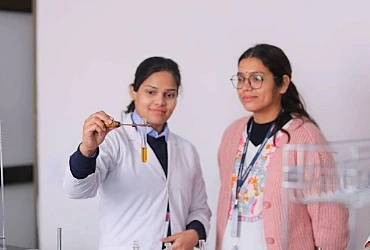
Practical Training

Offers extensive hands-on experience in laboratory settings, drug preparation, and dispensing practices, bridging the gap between academics and real-world applications.

icon 04

Focus on Ethics and Compliance

Emphasizes ethical healthcare practices, understanding of regulatory frameworks, and adherence to pharmaceutical standards, ensuring graduates are industry-ready.

icon 07

Diverse Career Opportunities

Prepares students for roles as pharmacists, drug dispensers, or for further education in programs like Bachelor of Pharmacy (B.Pharma), catering to India’s growing healthcare and pharmaceutical sectors.

Program Overview

The D.Pharma program at Quantum University focuses on providing students with a comprehensive foundation in pharmaceutical sciences, drug formulation, and healthcare delivery systems. The curriculum includes core subjects like pharmaceutical chemistry, pharmacology, pharmacognosy, and clinical pharmacy, enabling students to understand drug interactions, dosage forms, and patient care methodologies. Students gain extensive practical experience through laboratory work, drug preparation, and real-world dispensing practices, ensuring they are job-ready. The program also emphasizes ethical healthcare practices, regulatory compliance, and pharmaceutical technology, preparing students for roles in hospitals, retail pharmacies, and the broader pharmaceutical sector. As one of the leading colleges for D.Pharma in India, Quantum University ensures its graduates are equipped with the skills and confidence to excel in the healthcare industry or pursue advanced studies like B.Pharma.

Program Structure

The Diploma in Pharmacy (D. Pharm.) program at Quantum School of Health Sciences follows the Pharmacy Council of India (PCI) Education Regulations (ER) 2020, ensuring a structured and industry-aligned curriculum. The two-year program is divided into theory, practical training, and experiential learning, covering essential subjects such as Pharmaceutics, Pharmacology, Pharmaceutical Chemistry, Pharmacognosy, and Hospital & Clinical Pharmacy. The curriculum includes mandatory hospital and community pharmacy training, as prescribed by PCI, to provide hands-on experience in drug dispensing, patient counseling, and healthcare management. The program culminates in a 3 months internship, reinforcing practical knowledge and compliance with PCI’s competency-based framework.

Teaching & Assessment

The teaching methodology is designed to meet PCI’s ER 2020 standards, combining interactive lectures, laboratory sessions, workshops, and clinical training to foster theoretical and practical expertise. Industry experts and healthcare professionals conduct guest lectures and seminars, while hospital and community pharmacy rotations provide real-world exposure. Assessment follows a continuous evaluation system, including theory examinations, practical lab tests, viva voce, case study analyses, and project submissions, ensuring students meet PCI’s prescribed learning outcomes. Patient counseling simulations, drug dispensing assessments, and hospital training evaluations further align with PCI’s emphasis on skill-based pharmacy practice. This rigorous yet student-centric approach ensures graduates are competent, industry-ready, and fully compliant with PCI regulations.

Curriculum

  • Pharmaceutics – Theory
  • Pharmaceutics – Practical
  • Pharmaceutical Chemistry – Theory
  • Pharmaceutical Chemistry – Practical
  • Pharmacognosy – Theory
  • Pharmacognosy – Practical
  • Human Anatomy & Physiology – Theory
  • Human Anatomy & Physiology – Practical
  • Social Pharmacy – Theory
  • Social Pharmacy – Practical
  • Pharmacology – Theory
  • Pharmacology – Practical
  • Community Pharmacy & Management – Theory
  • Community Pharmacy & Management – Practical
  • Biochemistry & Clinical Pathology – Theory
  • Biochemistry & Clinical Pathology – Practical
  • Pharmacotherapeutics – Theory
  • Pharmacotherapeutics – Practical
  • Hospital & Clinical Pharmacy – Theory
  • Hospital & Clinical Pharmacy – Practical
  • Pharmacy Law & Ethics

Program Outcomes

Program Educational Objectives (PEO's)
PEO1
To produce pharmacy graduates with strong basics and high technical knowledge to cater the various areas of the pharmaceutical industry.
PEO2
To provide the required training in all aspects to the graduates to work as a health care professional in community and hospital pharmacies.
PEO3
To provide a pharmacist to the society with skill and will to make and serve quality pills.
Program Specific Outcomes (PSO's)
PSO1
Detail understanding of theoretical and practical knowledge of all core and allied subjects of pharmaceutical sciences, which consist of dosage form design, routes of administration of various drugs, their mechanism of action, chemical moiety involved, doses of drugs, patient treatment, patient counseling, drug dispensing, hospital administration, drug manufacturing and QA/QC regulation etc..
PSO2
Highlight the concepts and operative components of pharmacovigilance, clinical pharmacy, hospital pharmacy, community pharmacy, pharmaceutical care, pharmacovigilance, pharmacoeconomics, clinical research, clinical pharmacokinetics and other related areas for the benefit of academicians, hospital/community pharmacists and industry, emphasizing the consequences of the use of medications.
PSO3
Rigorous core course-work in biopharmaceutics, drug transport, pharmacokinetics and pharmacodynamics, drug delivery systems, cell and molecular biology, synthetic and macromolecular chemistry, chemical and biomedical engineering, materials science, physiology and pharmacology.
PSO4
Emphasis on Drug Discovery and Design, Drug Delivery, Drug Action, Clinical trials, Drug Analysis, Cost Effectiveness of Medicines (Pharmacoeconomics) and Drug Regulatory Affairs etc.
Program Outcomes (PO's)
PO-01
Students gain a deep knowledge regarding human body, its related diseases, analytical skills, drug molecules (Active Pharmaceutical Ingredients) along with excipients, natural drug resources, chemistry involved in API including synthesis of commonly used drugs, effect of drug on human body, toxicity and impurity profile, ADME studies of drugs (behaviour of drug in human body), dosage form studies including novel approaches, designing and development of formulation stability studies, analysis etc.
PO-02
Students could apply the knowledge in research field to make new discoveries.
PO-03
Various dosage forms could be prepared by a pharmacy student in the pharmaceutical companies for the ease of patients.
PO-04
Use research-based knowledge and research methods including design of experiments, analysis and interpretation of data, and synthesis of the information to provide valid conclusions.
PO-05
Create, select, and apply appropriate techniques, resources, and modern methods with an understanding of the limitations and its usage. The student also learns to handle many instruments related to their studies which would help them work in a Pharmaceutical Industry, pharmacovigilance, regulatory requirements, legal processes etc.
PO-06
Pharmacists provide complete health care data and practices to the people of the society and guide them to be healthy. The student also learns drug distribution systems, patient counseling, industrial laws etc. Students gain expertise in storage and distribution of drugs with all precautions and in-depth knowledge of dose, adverse effect and other health related issues to deal with indoor and outdoor patients admitted in hospitals and also in public.
PO-07
Understand the impact of the professional pharmacist in society and environment, and make an impact on the people of the society.
PO-08
Apply ethical principles and commit to professional ethics and responsibilities and norms of the pharmacy practice. Students are also trained in ethical behavior with physicians, nurses and other paramedical staff for protecting patient’s health.
PO-09
Function effectively as an individual, and as a member or leader in diverse teams acts as a multidisciplinary person in every context.
PO-10
Communicate effectively on pharmaceutical activities with the community and with society.
PO-11
Recognize the need for, and have the preparation and ability to engage in independent and life-long learning in the broadest context of technological change.
PO-12
Being a public welfare job, a pharmacist would be able to interact with the people in a better way to cure them and make them feel healthy.

Minor Degree Programs

At Quantum University, students have the freedom to expand their academic horizons beyond their core area of study. Through minor programs, they can choose courses from related or entirely different disciplines, encouraging interdisciplinary learning and personal growth. This flexible approach empowers students to design a well-rounded education, explore new interests, and develop diverse skill sets that prepare them for dynamic career opportunities.

Some of the MINOR Degrees being offered are:

  • Entrepreneurship & Startups
  • Foreign languages (French)
  • Media Management
  • Financial Literacy
  • Robotics & Automation
  • Microsoft Office
  • Culinary Arts
  • Data Analytics
  • Web Designing
Explore More

Experiential Learning

The Diploma in Pharmacy (D.Pharma) program offered by the Department of Pharmacy, School of Health Sciences at Quantum University, Roorkee, emphasizes a balanced integration of academic knowledge and experiential learning. The program is designed to produce competent pharmacy professionals equipped to meet the demands of the healthcare sector.

Industry-Oriented Curriculum

Industry Oriented Curriculum

The curriculum is aligned with contemporary industry requirements and regulatory standards. It integrates classroom learning with hands-on training, encouraging students to develop a deep understanding of core subjects such as pharmaceutics, pharmacology, pharmaceutical chemistry, and pharmacognosy.

Internships and Industrial Training

Internships and Industrial Training

Mandatory internships in leading pharmaceutical companies, hospitals, and research organizations provide students with invaluable exposure to industry practices. During these internships, students actively participate in quality assurance, manufacturing, regulatory affairs, and patient counseling, gaining insights into the functioning of the pharmaceutical sector.

Hospital and Clinical Exposure

Hospital and Clinical Exposure

Collaborations with reputed hospitals offer students a platform to engage in clinical pharmacy practices. They learn to assess patient cases, understand drug interactions, and provide recommendations for effective pharmacotherapy. This experience nurtures their problem-solving and decision-making abilities in real-world healthcare settings.

Research Opportunities

Research Opportunities

The program encourages students to engage in research projects, fostering a spirit of inquiry and innovation. Through participation in national and international conferences, workshops, and seminars, students gain exposure to emerging trends in pharmaceutical sciences. Research initiatives are often focused on areas such as novel drug delivery systems, herbal formulations, and pharmacokinetics.

Skill Development Programs

Skill Development Programs

Soft skill development is a core part of the program, with workshops on communication, leadership, and teamwork. These skills are essential for professional growth in the competitive healthcare sector.

Community Outreach

Community Outreach

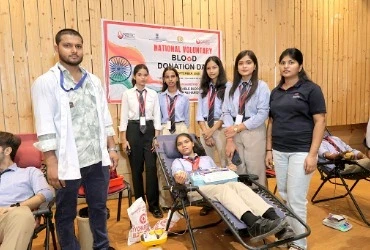
The program includes community service initiatives, such as health awareness camps and free medical check-ups. These activities instill a sense of social responsibility and help students understand the role of pharmacists in promoting public health.

Outstanding Career Outcomes

Our graduates are in high demand across top engineering companies and innovative startups


  • LPAHIGHEST PACKAGE OFFERED
  •  NUMBER OF COMPANIES VISITED
  •  NUMBER OF STUDENTS PLACED
  • LPAAVERAGE PACKAGE OFFERED

Career Tracks

Pharmacy Assistant

Dispensing and stock management.

Medical Representative

Pharmaceutical product promotion.

Retail Pharmacist

Store management and prescription support.

QA Assistant

Quality control in drug production.

Career Tracks
2
Career Tracks
Career Tracks
Career Tracks
Career Tracks
Career Tracks
Career Tracks
Career Tracks
bhm
bhm2
health

Entrepreneurship

Comprehensive Skill Development: At Quantum University, the teaching methodology includes extensive Skill Development Courses (SKCs) designed to equip students with the necessary skills to start their own ventures.

Entrepreneurial and Leadership Opportunities: Quantum University is providing ample opportunities to students to start their own ventures. More than 100 Start-ups are in progress.

Networking and Career Success: Quantum University fosters strong industry connections and real-world exposure, enabling students to build professional networks and unlock rewarding career opportunities.

Entrepreneurship
Entrepreneurship
Entrepreneurship
Entrepreneurship
Entrepreneurship
Entrepreneurship
Entrepreneurship
Entrepreneurship
Entrepreneurship
Entrepreneurship
Entrepreneurship
Entrepreneurship

Higher Studies

Master’s Programs: Quantum University offers a range of industry-relevant master's programs designed to deepen academic knowledge, enhance professional skills, and prepare students for leadership roles in their chosen fields.

Ph.D. Opportunities: Quantum University offers rigorous Ph.D. programs that foster advanced research, innovation, and academic excellence. With expert mentorship, interdisciplinary collaboration, and access to cutting-edge resources, scholars are empowered to contribute meaningful insights to their fields.

Networking and Career Success: Students benefit from a strong ecosystem of industry partnerships, alumni networks, and career development support. Regular workshops, internships, expert talks, and placement drives help students build valuable connections and achieve long-term career success.

Higher Studies
Higher Studies

Higher Studies

Higher Studies

Higher Studies

Higher Studies

Higher Studies

Higher Studies

Higher Studies

Higher Studies

health
rr

Mentors Who Shape Futures

himanshu
Dr. Himanshu Chaurasia
Professor
Profile
dr  santosh sir
Dr. Santosh Kumar Verma
Professor
Profile
dr  sandeep kumar
Dr. Sandeep Kumar
Assistant Professor
Profile
meenakshi tyagi
Meenakshi Tyagi
Associate Professor
Profile
pooja singh
Pooja Singh
Associate Professor
Profile
vaibhav rathi
Vaibhav Rathi
Associate Professor
Profile
ankit anchliya
Ankit Anchliya
Associate Professor
Profile
aarti tamta
Dr. Arati Tamta
Associate Professor
Profile
komal soni
Komal Soni
Assistant Professor
Profile
neha rani
Neha Rani
Assistant Professor
Profile

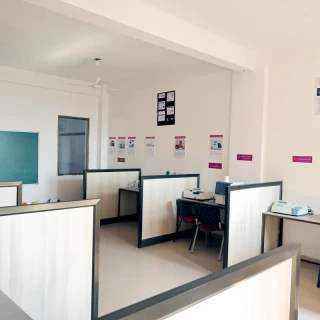
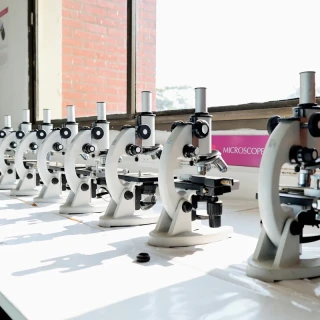
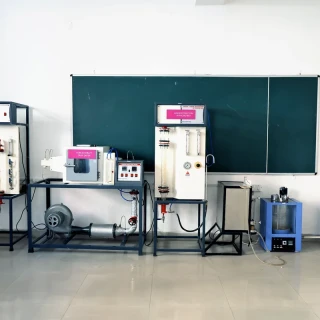
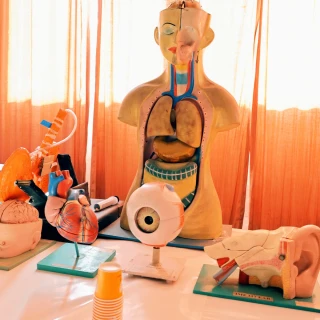
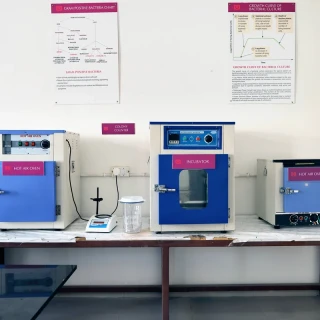
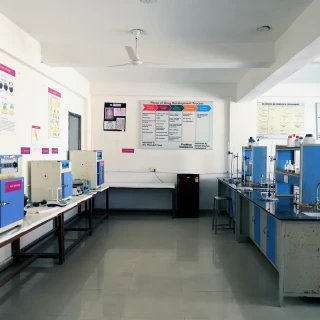
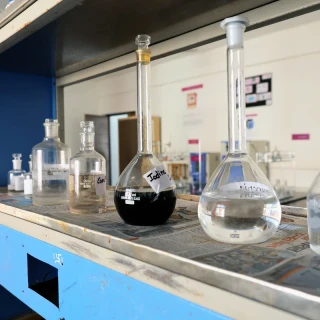
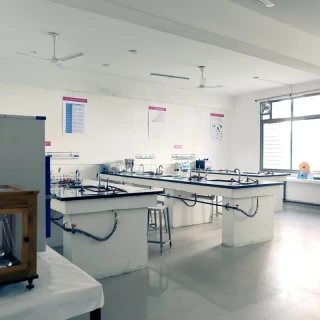
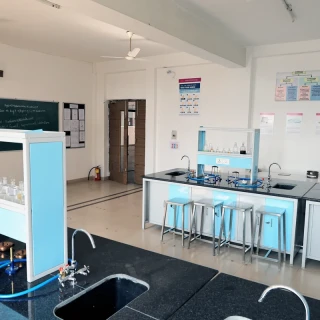
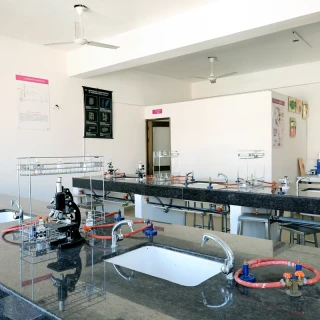
Labs

Central Instrumentation Facility

Central Instrumentation Facility

Central Instrumentation Facility
Human Anatomy and Physiology Lab

Human Anatomy and Physiology Lab

Human Anatomy and Physiology Lab
Machine Room

Machine Room

Machine Room
Museum

Museum

Museum
Pharmacy Practice Microbiology Biotechnology lab

Pharmacy Practice Microbiology Biotechnology lab

Pharmacy Practice Microbiology Biotechnology lab
Pharmaceutical Chemistry Lab I

Pharmaceutical Chemistry Lab I

Pharmaceutical Chemistry Lab I
Pharmaceutical Chemistry Lab II

Pharmaceutical Chemistry Lab II

Pharmaceutical Chemistry Lab II
Pharmaceutics Lab I

Pharmaceutics Lab I

Pharmaceutics Lab I
Pharmaceutics Lab II

Pharmaceutics Lab-II

Pharmaceutics Lab-II
Pharmacognosy Lab

Pharmacognosy Lab

Pharmacognosy Lab

Research Highlights

Quantum University fully supports and encourages interdisciplinary research initiatives across different areas of study.

  • +Paper Publications
  • +Patents
  • +Startup Grants

Industry -Academic Collaborations

Quantum University has partnerships with over 150 industry leaders, providing students with valuable practical experience and exposure to current industry trends. Companies offer internships, real-world projects, and job opportunities to over 900 students annually at the best packages.



comp 04
comp 05
comp 06
comp 07
comp 08
comp 10
comp 11
comp 12


Learning Experience

curriculum

CURRICULUM

interdisciplinary

INTERDISCIPLINARY

passion programs 2

PASSION PROGRAMS (PROPS)