Hands-On Practice Sessions
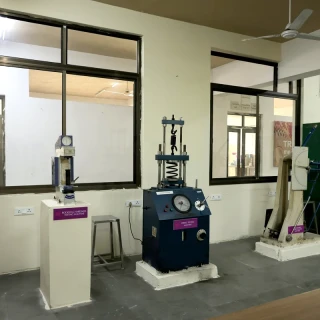
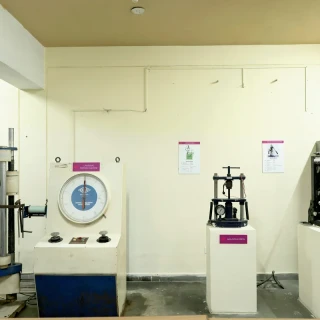
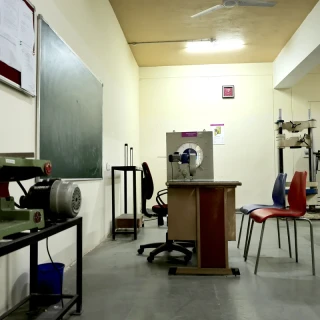
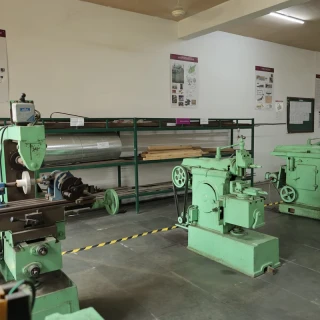
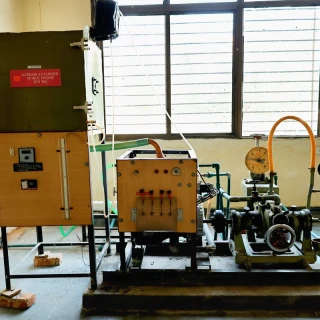
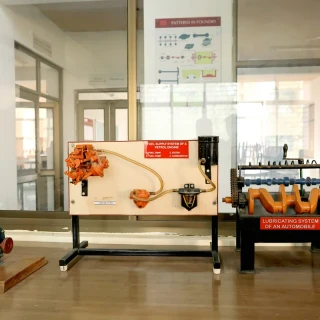
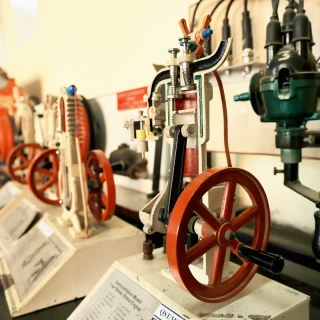
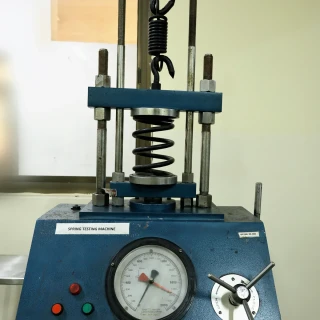
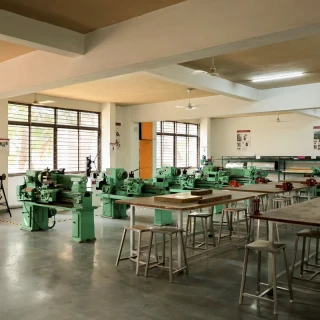
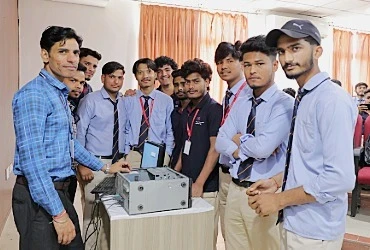
Mechanical Labs: Students are encouraged to work in specialized labs such as the Strength of Materials lab, Fluid Mechanics lab, Heat Transfer lab, and others. These labs provide practical exposure to concepts and help reinforce theoretical knowledge.
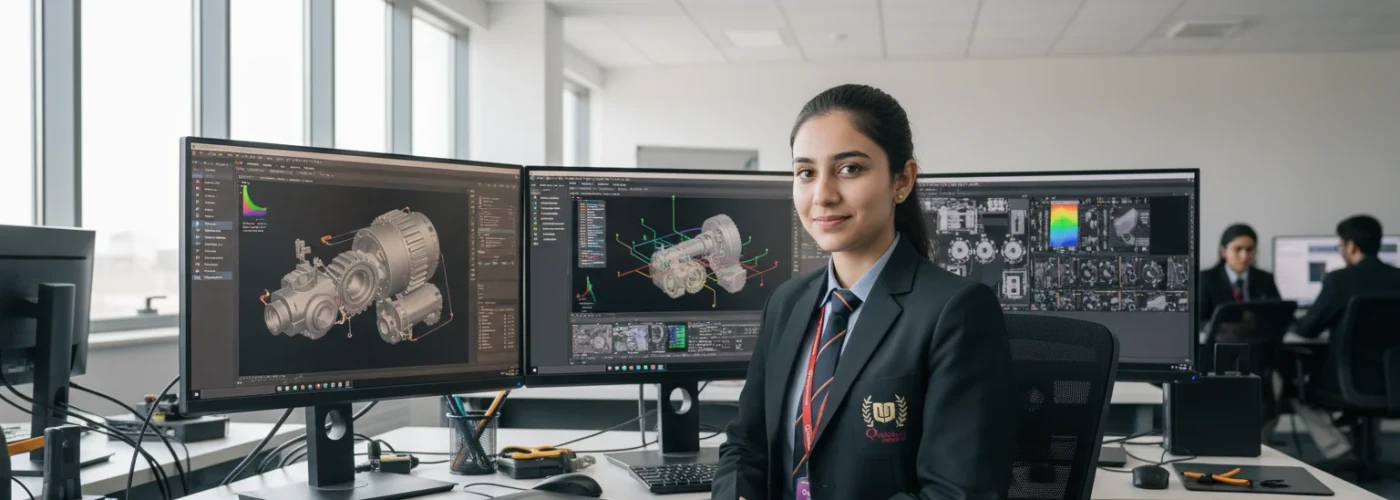
Simulation and Modeling: Advanced simulation tools like AutoCAD, FUSION360 and MATLAB are used for creating models, running simulations, and analyzing designs. These tools are integral to the learning process for mechanical engineering students.
Industry interactions
Internships: University facilitates industry internships as part of the curriculum. Mechanical engineering department students do internships in industries which them with provide real-world experience, allowing students to work on current engineering challenges, interact with professionals, and apply classroom knowledge in practical settings.
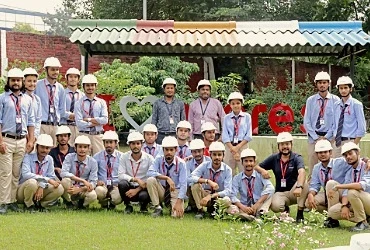
Industry Visits: The university organizes visits to manufacturing plants, design studios, and other industrial setups which allows students to witness the application of mechanical engineering concepts in the field.
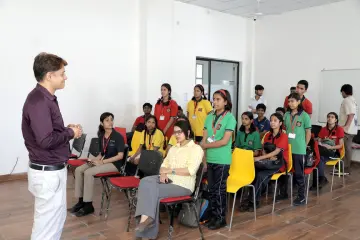
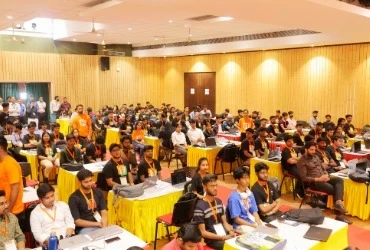
Guest Lectures and Workshops: Industry experts are frequently invited to give guest lectures and conduct workshops on contemporary trends, technologies, and best practices in mechanical engineering. These sessions enhance learning through exposure to real-world industry practices.
Project-Based Learning
Capstone Projects: As part of the final year curriculum, students are required to work on capstone projects. These projects are typically industry-driven and focus on solving real-world problems using mechanical engineering principles.
Design Projects: Students engage in designing mechanical systems or components, including the use of CAD software and other tools. These projects simulate the design process in real engineering environments, helping students develop their problem-solving skills.
Collaborative Learning
Group Projects and Peer Learning: Experiential learning is not just about individual skills but also about teamwork. Students work in groups, solving problems collaboratively, which mirrors the real-world work environment where engineers often collaborate on large, complex projects.
Interdisciplinary Exposure: Mechanical engineering students get opportunities to interact with peers from other branches of engineering (e.g., electrical, civil, computer science), for a multidisciplinary approach to problem-solving.
Workshops, Seminars, and Competitions
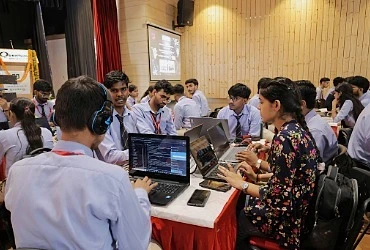
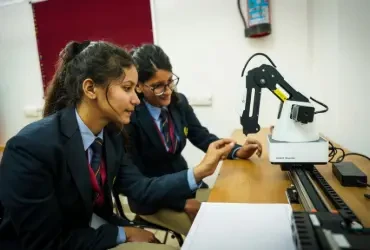
Hands-on Workshops: Trending topics like 3D printing, Robotics, CNC machining, Smart manufacturing are common in hands-on workshops and guest lecture sessions. These workshops help students explore the latest technologies and gain practical exposure.
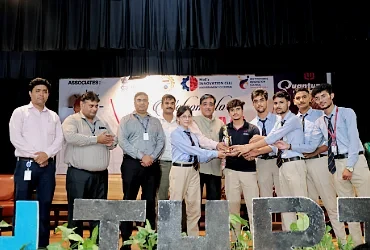
Competitions: Students are encouraged to participate in national and international engineering competitions such as Go-Kart Racing, RoboWars, etc., which test their engineering skills in real-world scenarios and foster innovation.
Design and Innovation Challenges: Department encourages students' creativity and engineering knowledge to the limit, often focused on solving complex problems using mechanical engineering principles by way of making them to participate in the challenge events.
Innovation and Entrepreneurship
The entrepreneurial mindset is nurtured through startup incubators or design thinking workshops in the department. The university offers opportunity for students to work on their own innovative projects, including product development, prototype creation and patenting process.


 Undergraduate
 Postgraduate


 Career Tracks
  Entrepreneurship
 Higher Studies