Program Overview
The M.Tech in Structural Engineering program emphasizes innovation, sustainability, and safety in structural design and analysis. The curriculum integrates advanced concepts in structural mechanics, material science, and design technology, preparing students to tackle challenges in the civil engineering and infrastructure developmentsectors.
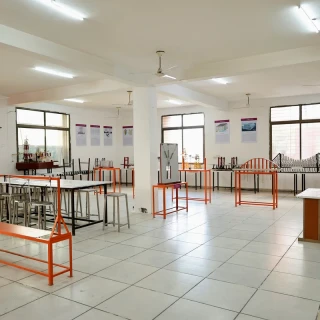
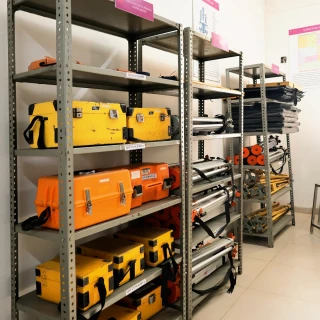
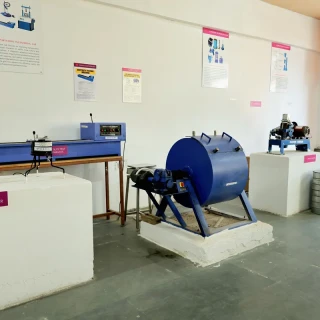
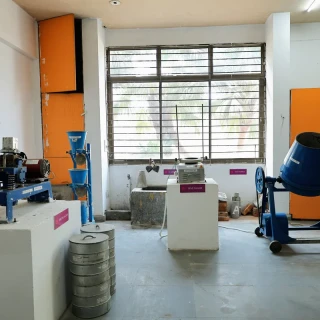
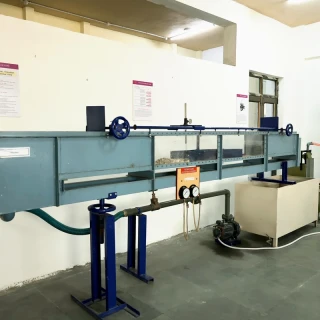
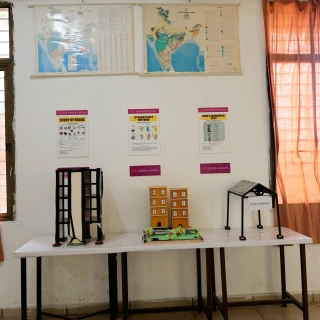
Students gain practical exposure through state-of-the-art laboratories, real-world projects, and research collaborations, allowing them to apply their knowledge to large-scale infrastructure projects, disaster-resistant designs, and eco-friendly construction technologies. The program also focuses on developing skills for project management, structural optimization, and risk assessment, ensuring that graduates are well-equipped to handle complex engineering projects.
Quantum University's emphasis on practical learning, innovation, and industry collaboration ensures that graduates are prepared to excel in high-demand roles in India's infrastructure growth initiatives, such as Smart Cities Missionand sustainable urban development. As a leader in engineering education, Quantum University provides students with the skills, knowledge, and opportunities to thrive in the global civil engineering industry.
Program Structure
The M.Tech in Civil Engineering with a specialization in Computer-Aided Structural Engineering (CASE) at Quantum University is a two-year postgraduate program designed to equip students with advanced knowledge and practical skills in structural engineering and computational tools. The curriculum is carefully structured to include core subjects, discipline-specific electives, skill enhancement modules, value-added courses, and an in-depth dissertation project. Students explore critical areas such as Finite Element Method, Earthquake Engineering, Structural Dynamics, Advanced Design of Concrete and Steel Structures, and Structural Optimization. The program also emphasizes hands-on training in industry-standard software like STAAD.Pro, ETABS, SAP2000, ANSYS, MATLAB, and Revit Structure, ensuring that graduates are well-prepared for both academic research and professional practice in the field of structural engineering.
Teaching & Assessment
The teaching methodology for the CASE program is focused on industry relevance, simulation-based learning, and research orientation. Classes are delivered through a blend of traditional lectures, lab-based sessions, and expert-led workshops. Emphasis is placed on the application of computer-aided tools for structural analysis and design, supported by real-time project work and seminars. Guest lectures, webinars, and collaborative projects enhance the learning experience and help bridge the gap between academics and industry. Assessment is continuous and outcome-based, involving assignments, tutorials, lab evaluations, semester examinations, project reports, and dissertation defenses. Students are encouraged to present technical papers and engage in interdisciplinary research, fostering a strong foundation for both industry roles and doctoral studies.


 Undergraduate
 Postgraduate






 Career Tracks
  Entrepreneurship
 Higher Studies














































_lab_quantum_engineering_college_1759213548_dc8f00d4.webp)