International Immersion Program
The International Immersion Program is a core part of experiential learning in the MBA Global curriculum. It gives students first hand exposure to global business environments through international travel, company visits, academic interactions, and cultural experiences. Students engage with multinational organizations, understand cross border trade practices, and observe how businesses operate in different economic and cultural settings. The program bridges classroom concepts with real world application, helping students build global perspective, adaptability, and professional confidence. By working on live insights and interacting with global professionals, students gain practical understanding of international markets that prepares them for leadership roles in a connected global economy.
Global Internships
Global Internships are a key part of experiential learning in the MBA Global program. They allow students to work with international companies, startups, or global teams, gaining real world exposure to cross border business operations. Through hands on roles, students apply classroom learning to live projects in areas such as marketing, finance, strategy, and operations. These internships help students understand global work culture, communication styles, and professional expectations. By solving practical business challenges in international settings, students build industry relevant skills, global awareness, and career readiness for roles in multinational organizations.
Industry Workshops
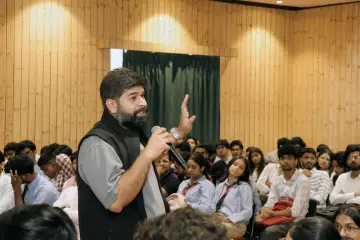
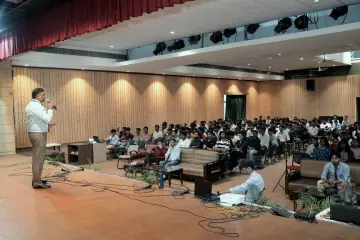
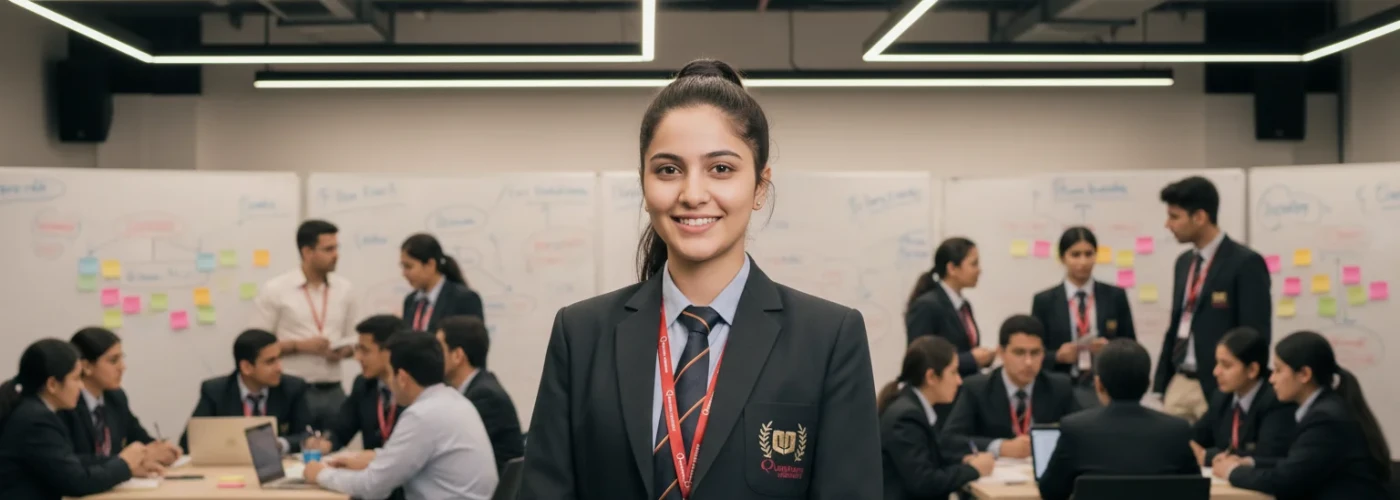
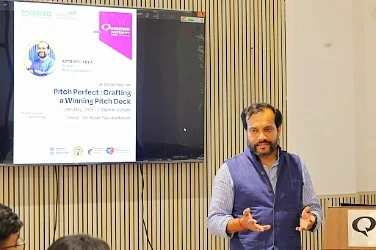
Industry Workshops are an important component of experiential learning in the MBA Global program. These sessions are led by industry professionals and focus on real business challenges, current market trends, and practical tools used in global organizations. Students participate in case discussions, simulations, and hands on activities that connect theory with practice. The workshops offer direct exposure to industry expectations, decision making processes, and emerging business practices. By learning from experienced professionals, students sharpen their problem solving skills, gain practical insights, and develop a strong understanding of how global industries operate in real time.
Simulation-Based Learning
Simulation Based Learning is a core experiential element of the MBA Global program. It places students in realistic business scenarios where they make strategic decisions, manage resources, and respond to dynamic market conditions. Through interactive simulations, students experience the impact of their choices in areas such as finance, marketing, operations, and global strategy. This approach helps bridge the gap between theory and practice by encouraging critical thinking, teamwork, and decision making under pressure. By learning through simulated real world environments, students develop practical business judgment and confidence needed for leadership roles in global organizations.
Networking & Cultural Exchange
Networking and Cultural Exchange form a vital part of experiential learning in the MBA Global program. Students interact with peers, faculty, industry leaders, and international professionals from diverse cultural and professional backgrounds. These interactions help students understand different perspectives, communication styles, and business etiquette across regions. Through formal networking sessions, group activities, and cultural engagements, students build meaningful global connections. The experience enhances interpersonal skills, cultural sensitivity, and professional confidence, preparing students to collaborate effectively in multicultural teams and succeed in global business environments.


 Undergraduate
 Postgraduate
 Integrated



 Career Tracks
  Entrepreneurship
 Higher Studies