Creative Writing Workshops
Creative Writing Workshops are a central part of experiential learning in the M.A. English program. These workshops provide a space where students actively practice writing poetry, fiction, drama, and creative nonfiction. Through guided exercises, peer reviews, and faculty feedback, students refine their voice, style, and narrative skills. The sessions encourage experimentation, critical reflection, and revision, helping students move beyond theory into creative practice. By engaging in regular writing and discussion, students gain confidence, improve literary expression, and develop a deeper understanding of the creative process, preparing them for careers in writing, publishing, media, and related fields.
Literary Research & Projects
Literary Research and Projects form an important part of experiential learning in the M.A. English program. Students engage in independent and guided research on literary texts, authors, genres, and critical theories. This process involves close reading, critical analysis, scholarly writing, and interpretation of texts within historical and cultural contexts. Through research projects, students learn to frame arguments, use academic sources effectively, and present original insights. The experience strengthens analytical thinking, research skills, and academic writing, preparing students for careers in teaching, research, publishing, content development, and higher studies in literature.
Theatre & Performance-Based Learning
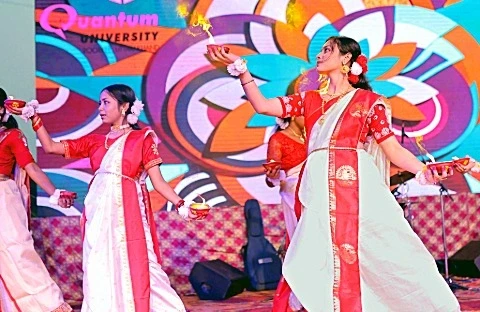
Theatre and Performance Based Learning are dynamic components of experiential learning in the M.A. English program. Students explore drama through script reading, performance, staging, and interpretation of literary texts. By participating in rehearsals, role play, and live performances, students gain deeper insight into character development, dialogue, and dramatic structure. This hands on approach helps connect literary theory with embodied practice. It also builds confidence, collaboration, and communication skills. Engaging with texts through performance enriches literary understanding and prepares students for careers in theatre, teaching, media, and performance oriented fields.
Guest Lectures & Seminars
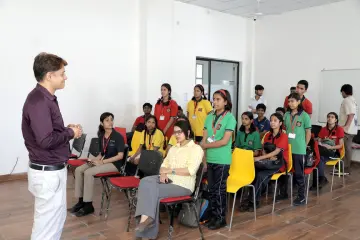
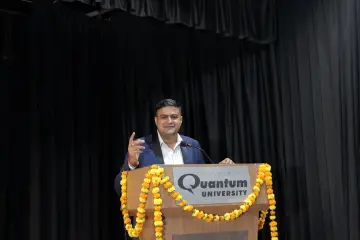
Guest Lectures and Seminars are an important part of experiential learning in the M.A. English program. These sessions bring students in contact with writers, scholars, critics, and industry professionals who share real world perspectives on literature, language, and cultural studies. Students engage in discussions on contemporary literary trends, research methods, and creative practices. The interactive nature of seminars encourages critical thinking and informed dialogue. Exposure to diverse voices and ideas broadens literary understanding, supports academic growth, and helps students connect classroom learning with current practices in teaching, writing, research, and publishing.
Publishing & Editorial Experience
Publishing and Editorial Experience is a valuable component of experiential learning in the M.A. English program. Students gain practical exposure to the processes involved in editing, proofreading, content curation, and publication. Through work on journals, newsletters, or digital platforms, students learn how manuscripts are reviewed, refined, and prepared for publication. This hands on experience strengthens language accuracy, editorial judgment, and attention to detail. By understanding the publishing workflow, students develop industry relevant skills and professional confidence, preparing them for careers in publishing, media, content development, and editorial roles.


 Undergraduate
 Postgraduate




 Career Tracks
  Entrepreneurship
 Higher Studies