Program Overview
The Diploma in Electrical Engineering program at Quantum University provides students with the skills and knowledge to design, maintain, and troubleshoot electrical systems and power infrastructure. The curriculum integrates theoretical learning with practical applications, focusing on core topics like power distribution, electrical control systems, and renewable energy solutions.
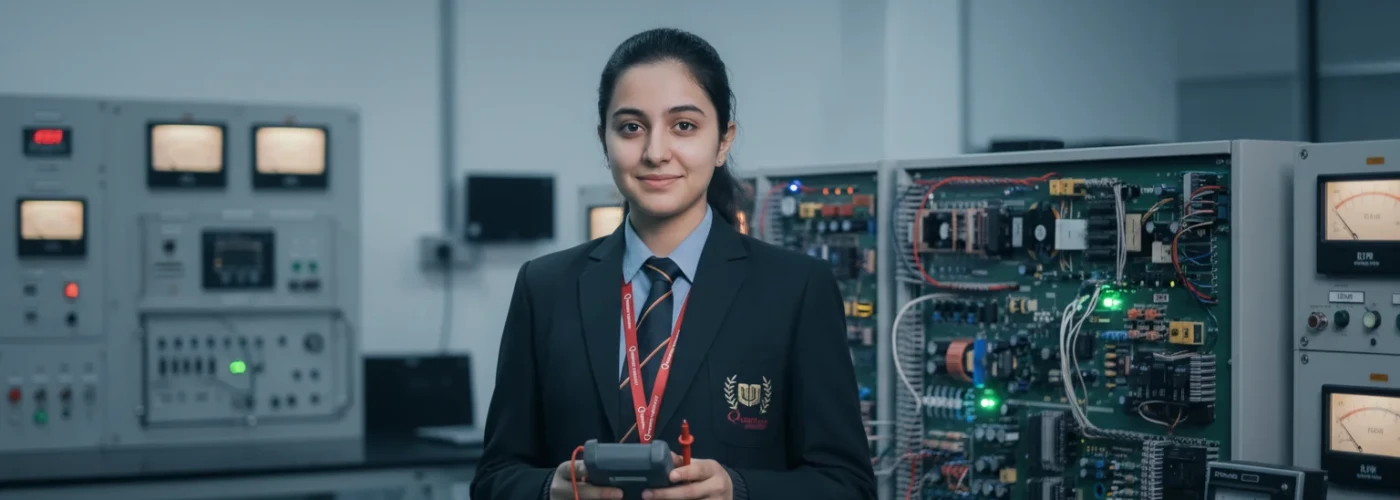
Students gain hands-on experience through real-world projects, lab training, and internships, preparing them to address challenges in electrical safety, energy efficiency, and automation technologies. The program emphasizes technical proficiency, problem-solving abilities, and industry relevance, ensuring graduates can contribute effectively to India's energy and infrastructure development initiatives.
Recognized as a leading engineering college in India, Quantum University equips diploma holders with the expertise to thrive in technical roles and advance in their careers. With its focus on experiential learning and cutting-edge technologies, this program positions graduates as valuable contributors to the global electrical engineering industry and India's energy transformation journey.
Program Structure
Studying at one of the top engineering and technology institutions in Roorkee, Quantum University offers a comprehensive and academically rigorous B.Tech in Electrical Engineering program designed to build both foundational and advanced knowledge in the field of electrical sciences. With a strong emphasis on technical excellence and industry relevance, the program is structured across nine well-defined academic categories, ensuring a well-rounded and holistic educational experience.
These categories include Discipline Specific Core (DSC) and Discipline Specific Elective (DSE) courses that establish domain expertise in areas such as electrical machines, power systems, control systems, and power electronics. In addition, Multidisciplinary Core (MDC) and Multidisciplinary Minor (MDM) / Open Electives (OE) allow students to expand their academic perspectives by exploring complementary disciplines like renewable energy, automation, or computer engineering.
Ability Enhancement Courses (AEC) and Skill Enhancement Courses (SEC) are incorporated to strengthen communication skills, problem-solving abilities, and technical proficiencies in tools such as MATLAB, Simulink, and circuit simulation software. Value Added Courses (VAC) are included to support students’ personal and professional development through modules on leadership, sustainability, and emerging technologies.
The program also integrates essential practical components like a Summer Internship (SI) and a final-year Project (PR) that provide real-world industry exposure and encourage students to apply their learning to solve real engineering problems. Known for its academic rigor, hands-on learning environment, and continuous assessment strategy, the B.TechElectrical Engineering program at Quantum University prepares students for impactful careers in power and energy, automation, electric mobility, and emerging electrical technologies, as well as for advanced studies in specialized domains.
Teaching & Assessment
At the Department of Electrical Engineering, Quantum University, the teaching and assessment strategies are thoughtfullycrafted to meet the dynamic needs of the electrical and energy industry. The academic approach is deeply rooted in industry relevance, with a focus on building both a strong theoretical foundation and hands-on practical expertise in students pursuing the B.Tech Electrical Engineering program.
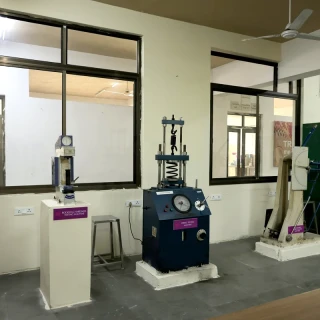
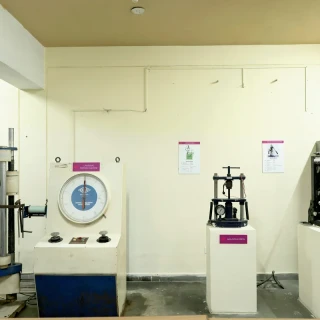
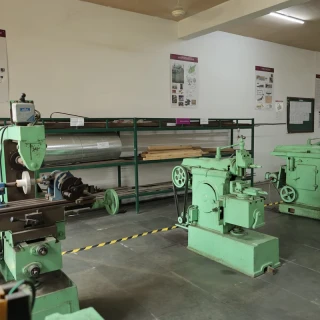
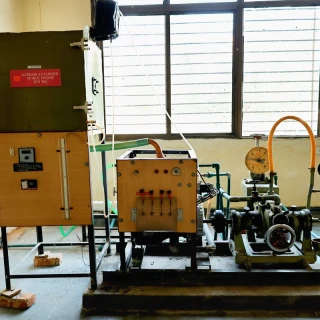
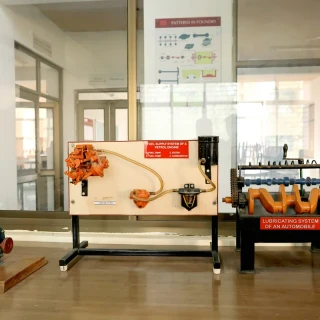
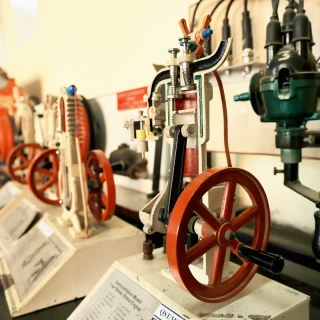
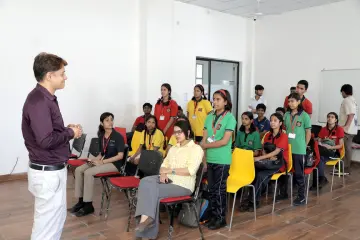
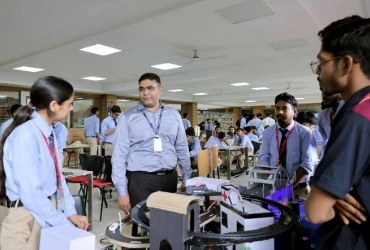
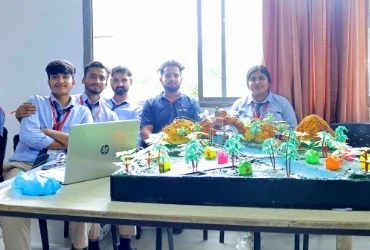
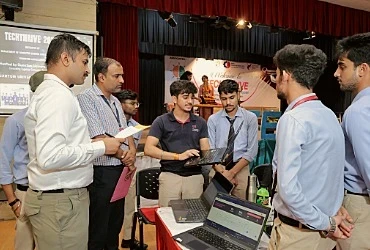
Our teaching pedagogy is application-driven, ensuring that students not only understand core electrical engineering principles but also gain the skills to apply them in real-world industrial settings. Learning extends beyond conventional lectures and includes a wide range of interactive formats such as laboratory sessions, technical workshops, expert lectures, industrial visits, certified training programs, national-level seminars, and hands-on project-based learning experiences.
The department leverages modern teaching tools and technologies, including simulation software like MATLAB, Simulink, Multisim, and ETAP, along with learning management systems to make the learning process engaging, digital, and accessible. Our faculty, with strong academic credentials and industrial experience, integrate research-led teaching, real-life case studies, and industry projects to expose students to current trends in areas like smart grids, renewable energy systems, electric vehicles, and automation.
To cater to different learning styles and ensure all-round development, we adopt a range of assessment methods including lab experiments, technical assignments, simulation-based design work, written exams, conceptual quizzes, major project evaluations, and summer internships in power plants or automation industries. These assessment strategies are aimed at nurturing analytical thinking, creative problem-solving, teamwork, and technical competence.
Through this integrated approach to teaching and assessment, the Department of Electrical Engineering ensures that students graduate with the knowledge, confidence, and practical skills needed to thrive in a rapidly transforming electrical engineering landscape, both in industry and in advanced research domains.


 Undergraduate
 Postgraduate


 Career Tracks
  Entrepreneurship
 Higher Studies