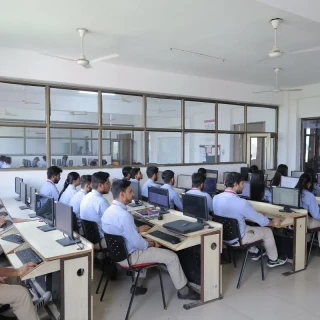
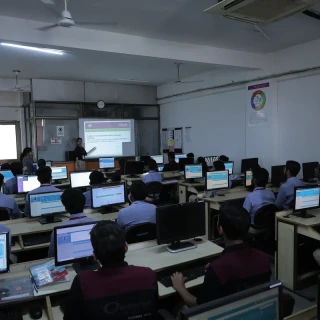
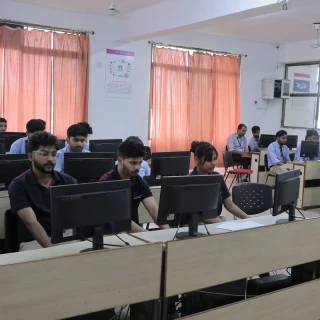
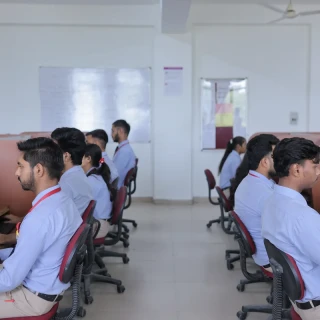
Lab Work
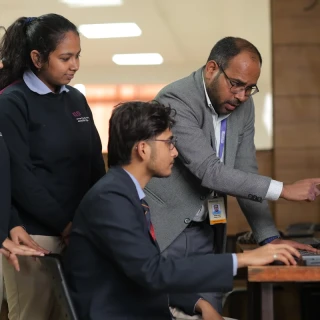
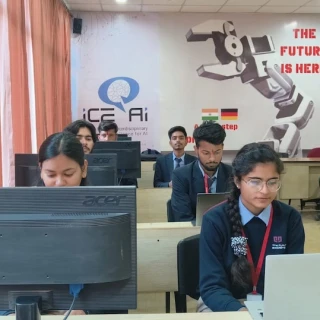
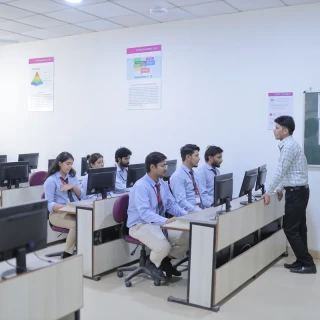
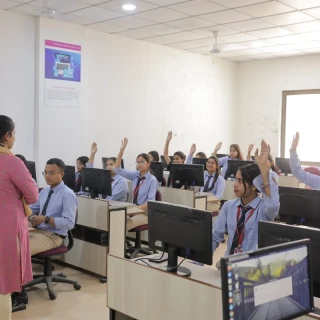
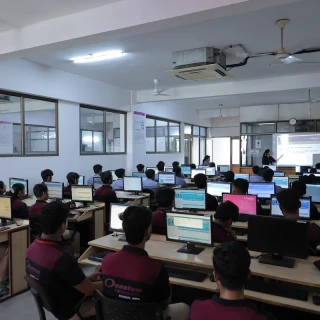
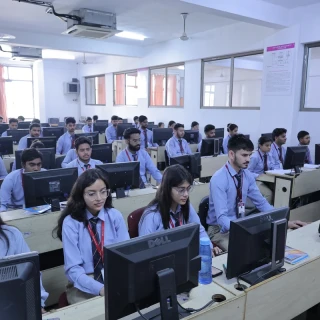
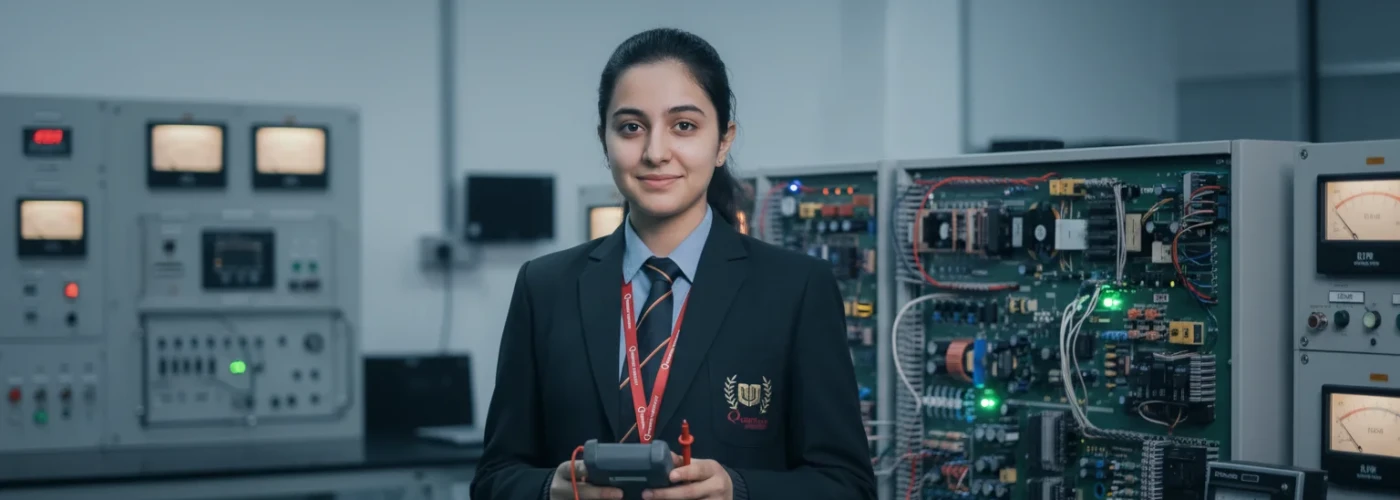
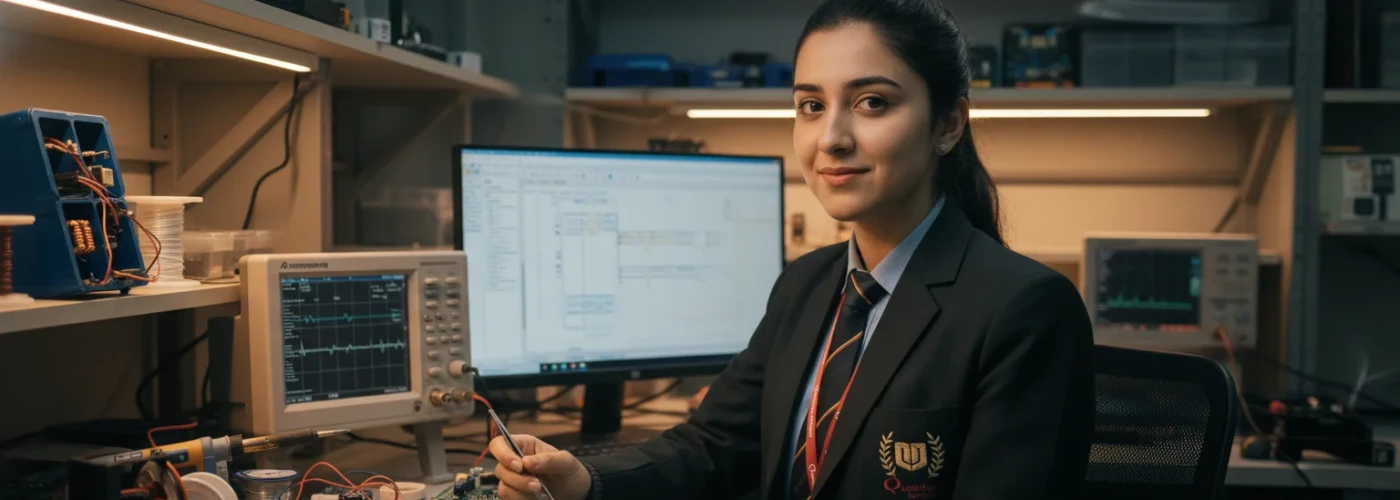
Lab Work is a core component of experiential learning in the BTech Electrical Engineering program. It provides students with hands on exposure to electrical circuits, machines, power systems, control systems, and measurements. Through practical experiments, students learn to design, test, and troubleshoot electrical systems using industry standard equipment and simulation tools. Lab sessions help bridge theoretical concepts with real world applications, strengthening technical understanding and problem solving skills. By working in well equipped laboratories and following safety standards, students develop practical competence, accuracy, and confidence, preparing them for careers in power generation, manufacturing, automation, and electrical engineering services.
Hackathons & Competitions
Hackathons and Competitions play an important role in experiential learning in the BTech Electrical Engineering program. These platforms challenge students to apply engineering concepts to solve real world technical problems within limited time frames. Students work in teams to design innovative solutions involving circuits, automation, energy systems, and smart technologies. Participation encourages creativity, critical thinking, and practical problem solving under pressure. Competitions also expose students to industry level challenges, standards, and peer learning. Through hands on innovation and teamwork, students build technical confidence, leadership skills, and a strong problem solving mindset, preparing them for professional engineering and technology driven careers.
Internships & Industrial Training
Internships and Industrial Training are essential components of experiential learning in the BTech Electrical Engineering program. They provide students with real world exposure to power plants, manufacturing units, automation industries, and electrical service organizations. During training, students apply classroom concepts to practical tasks such as system maintenance, testing, installation, and troubleshooting. This experience helps them understand industrial workflows, safety standards, and professional responsibilities. By working alongside engineers and technicians, students gain hands on skills, industry insight, and career clarity, preparing them for roles in electrical engineering, energy systems, automation, and allied technical fields.
Workshops
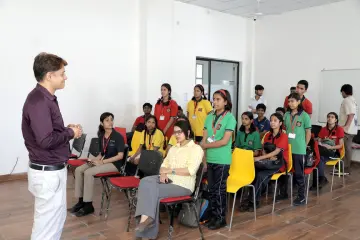
Workshops are an important part of experiential learning in the BTech Electrical Engineering program. These sessions focus on emerging technologies, practical tools, and industry relevant skills such as automation, renewable energy systems, electric vehicles, power electronics, and industrial safety. Conducted by experts from academia and industry, workshops combine demonstrations, hands on activities, and problem based learning. Students gain practical exposure beyond regular lab work and stay updated with current engineering practices. Participation in workshops strengthens technical skills, encourages innovation, and prepares students to adapt to evolving trends in the electrical engineering and energy sectors.
Industrial Visits
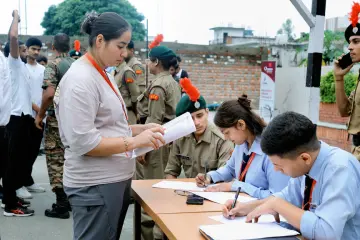
Industrial Visits are a valuable component of experiential learning in the BTech Electrical Engineering program. These visits provide students with direct exposure to power plants, manufacturing units, substations, and industrial facilities. By observing real time operations, equipment, and safety practices, students gain practical understanding of how electrical systems function in professional environments. Industrial visits help connect classroom concepts with real world applications and industry standards. Interaction with professionals during visits offers insight into engineering roles and workflows, enhancing technical awareness, career orientation, and readiness for the electrical engineering industry.


 Undergraduate
 Postgraduate


 Career Tracks
  Entrepreneurship
 Higher Studies