tr
M.Tech (Thermal Engg.)

M.Tech (Thermal Engg.)

The M.Tech in Thermal Engineering program at Quantum University, recognized as one of the top engineering colleges in India, is a highly specialized postgraduate program designed for students passionate about thermal systems, energy engineering, and sustainability. As industries in India and across the globe transition towards energy-efficient technologies and renewable energy systems, the demand for experts in thermal engineering continues to grow. This program provides students with advanced knowledge of thermodynamics, heat transfer, and fluid mechanics, which are the foundation for creating innovative solutions to modern energy challenges.

The program emphasizes a research-oriented approach, allowing students to delve into critical areas such as energy conservation, sustainable energy systems, and high-performance thermal systems. Students gain hands-on experience in state-of-the-art thermal laboratories and engage in industry collaborations, giving them the practical skills needed to solve real-world problems. With a curriculum that integrates theoretical depth with practical applications, students are exposed to the latest advancements in areas such as renewable energy technologies, HVAC systems, computational fluid dynamics (CFD), and power plant engineering.

By providing a platform for research and innovation, the program at Quantum University prepares graduates for leadership roles in India's energy sector, which is seeing significant growth due to initiatives like Make in India and Smart Cities Mission. Whether aspiring to work in power generation, automotive engineering, or academia, students emerge as industry-ready professionals with the skills to address complex thermal engineering challenges in a sustainable future.

icon 09

Research-Oriented Curriculum

Focus on advanced thermodynamics, fluid mechanics, heat exchangers, energy optimization, and renewable energy systems.

icon 02

Hands-On Learning

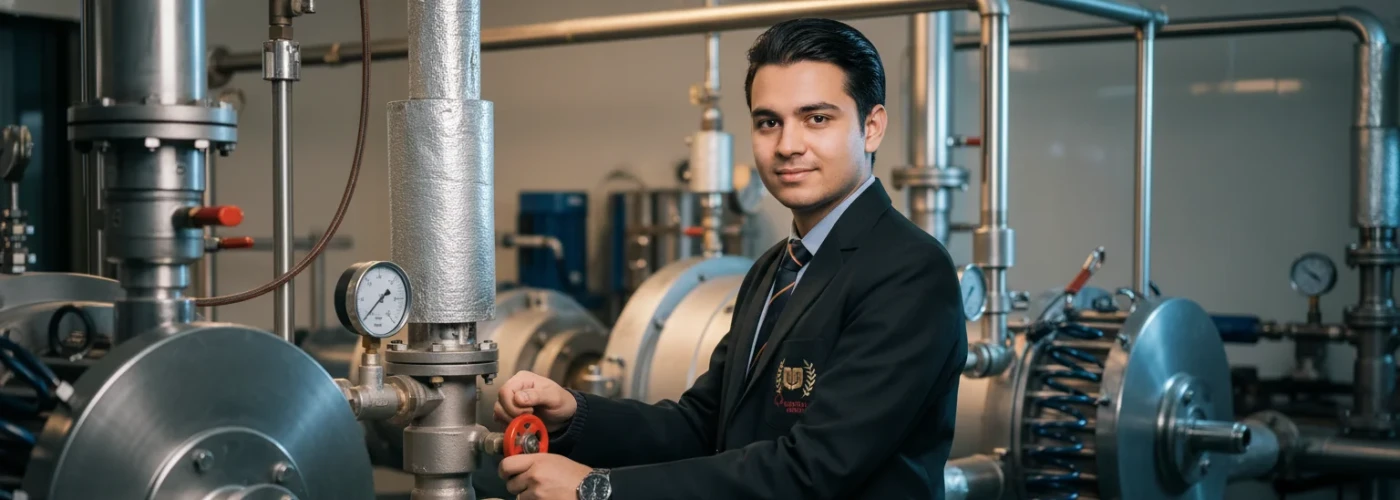
Practical exposure in thermal laboratories, along with projects using modern tools like CFD software, thermal simulation platforms, and energy analysis systems.

icon 04

Real-World Applications

Engage in projects and case studies on renewable energy systems, HVAC technologies, waste heat recovery, and smart power generation systems.

icon 07

Career Opportunities

Graduates can pursue careers as thermal engineers, energy consultants, power plant specialists, R&D professionals, and academicians in India's evolving energy and industrial landscape.

Program Overview

The M.Tech in Thermal Engineering program equips students with a deep understanding of thermal systems and energy technologies, preparing them to address challenges in sustainability and efficient energy utilization. The curriculum integrates theoretical knowledge with practical applications, focusing on advanced topics such as energy conservation techniques, fluid dynamics modeling, and heat transfer optimization.

Students gain hands-on experience through state-of-the-art laboratories, industry collaborations, and internships, allowing them to work on real-world projects in renewable energy, HVAC systems, and industrial thermal systems. The program emphasizes innovation in energy management, providing students with the tools to design, analyze, and optimize energy systems for diverse industries.

Graduates from Quantum University, recognized as a top university in India, are well-prepared to take on leadership roles in energy consulting, power generation, automotive thermal systems, and academic research, contributing to the growth of India's green energy initiatives and the global energy ecosystem.

Program Structure

The M.Tech in Thermal Engineering at Quantum University is a 2-year postgraduate program designed to impart advanced technical knowledge and research capabilities in the domain of thermal and energy systems. The program is thoughtfully structured across core subjects, electives, interdisciplinary modules, skill-based training components, and project work, emphasizing academic depth along with real-world applicability.

This program builds upon undergraduate-level mechanical engineering concepts and provides specialized training in areas such as heat transfer, thermodynamics, fluid mechanics, energy systems, combustion, HVAC, turbo-machinery, and computational fluid dynamics (CFD). A strong focus is placed on analytical modeling, simulation techniques, experimental validation, and design innovation—equipping students to solve complex energy-related engineering problems in industrial, research, and academic contexts.

Students gain practical exposure through hands-on laboratory work, simulation tools, and training in industry-standard software such as ANSYS Fluent, MATLAB, GT-Power, and CFD tools. The curriculum is designed to blend classroom learning with experiential elements including seminars, industrial workshops, certification courses, and guest lectures by experts from academia and industry.

The program also includes a structured research component, featuring a minor project in the first year and a major dissertation or industry project in the second year. These are carried out under faculty guidance or industry mentorship and are aimed at solving real-world challenges or contributing to innovative research in thermal systems.

With its comprehensive and forward-looking curriculum, the M.Tech in Thermal Engineering program at Quantum University prepares graduates for high-level technical roles in power plants, energy sector companies, R&D organizations, and advanced doctoral research in thermal sciences and sustainable energy technologies.

Teaching & Assessment

The Teaching & Assessment approach for the M.Tech in Thermal Engineering at Quantum University is designed to cultivate advanced technical proficiency, research acumen, and innovation-driven problem-solving abilities. The academic framework combines strong theoretical grounding with application-based learning and industry-oriented practices, enabling students to pursue leadership roles in energy systems, R&D, academia, and high-end engineering domains.

Teaching methods include advanced classroom lectures, research-driven seminars, lab-based experimentation, technical workshops, and expert-led sessions conducted by experienced faculty members and industry professionals. Students gain exposure to state-of-the-art tools and simulation software such as ANSYS Fluent, MATLAB, GT-Power, and COMSOL Multiphysics, which are integrated into the curriculum based on their area of specialization. The pedagogy emphasizes practical learning through thermodynamic modeling, CFD analysis, design optimization, and system-level energy studies.

The assessment strategy is designed to evaluate both conceptual depth and applied engineering capabilities. It includes technical assignments, simulation-based lab tasks, research article reviews, oral presentations, mid-semester and end-semester examinations, and participation in case-based discussions. A significant part of the assessment is the M.Techdissertation or industry project, where students undertake in-depth research or a real-world engineering problem under faculty supervision or industry mentorship.

This rigorous and comprehensive teaching and assessment model ensures that graduates emerge with the expertise, confidence, and research orientation required to excel in advanced thermal system design, energy innovation, and further doctoral studies (Ph.D.) in thermal engineering and allied disciplines.

Curriculum

  • Optimization Techniques
  • Advanced Fluid Mechanics
  • Advanced Thermal Engineering
  • Advanced Heat Transfer
  • Steam Engineering
  • Seminar I
  • Advanced Thermal Engineering Lab
  • General Proficiency
  • Simulation Modeling and Analysis
  • Program Elective I
  • Program Elective II
  • Program Elective III
  • Simulation Lab
  • Seminar II
  • General Proficiency
  • Advanced Research Methodology
  • Program Elective IV
  • Program Elective V
  • Advanced Research Methodology Lab
  • Seminar III
  • Final Project
  • General Proficiency
  • Dissertation

Program Outcomes

Program Educational Objectives (PEO's)
PEO1
Analyze and solve thermal engineering problems using modern engineering tools in industry or in research.
PEO2
Play key role in collaborative multidisciplinary scientific research with due consideration to economical and financial factors for leading a successful career in industry or to pursue higher education or being an entrepreneur.
PEO3
Engage in life-long learning with professional code of conduct.
Program Specific Outcomes (PSO's)
PSO1
Analyse the complex engineering problems by applying engineering knowledge in the area of thermal engineering systems.
PSO2
Provide engineering solutions to meet the specified needs with appropriate consideration for comfort, safety, social and environmental aspects.
Program Outcomes (PO's)
PO-01
Exhibit in-depth knowledge in engineering specialization.
PO-02
Think critically and analyze complex engineering problems to make creative advances in theory and practice.
PO-03
An ability to design solutions for engineering problems and to design a component, system, or process that meet the specified needs with appropriate consideration for the public health and safety, along with the cultural, societal, and environmental considerations.
PO-04
Use research methodologies, techniques and tools, and will contribute to the development of technological knowledge
PO-05
Apply appropriate techniques, modern engineering tools to perform modeling of complex engineering problems with knowing the limitations.
PO-06
Achieve professional success with an understanding and appreciation of ethical behaviour, social responsibility, and diversity, both as individuals and in team environments.
PO-07
Understand the impact of the professional engineering solutions in societal and environmental contexts, and demonstrate the knowledge for sustainable development to articulate a comprehensive world view that integrates diverse approaches to sustainability
PO-08
Communicate complex engineering problems with the engineering community and society, write and present technical reports effectively
PO-09
Exhibit professional and intellectual integrity, ethics of research and scholarship and will realize the responsibility towards the community
PO-10
An ability to analyse the local and global impact of computing on individuals, organizations, and society.
PO-11
Demonstrate knowledge and understanding of engineering and management principles and apply the same with due consideration to economical and financial factors.
PO-12
Engage in life-long learning with a high level of enthusiasm and commitment to improve knowledge and competence continuously

Minor Degree Programs

At Quantum University, students have the freedom to expand their academic horizons beyond their core area of study. Through minor programs, they can choose courses from related or entirely different disciplines, encouraging interdisciplinary learning and personal growth. This flexible approach empowers students to design a well-rounded education, explore new interests, and develop diverse skill sets that prepare them for dynamic career opportunities.

Some of the MINOR Degrees being offered are:

  • Entrepreneurship & Startups
  • Foreign languages (French)
  • Media Management
  • Financial Literacy
  • Robotics & Automation
  • Microsoft Office
  • Culinary Arts
  • Data Analytics
  • Web Designing
Explore More

Experiential Learning

Experiential Learning in M.Tech Programs Quantum University's 2-year M.Tech programs offer an advanced and immersive educational experience, equipping students with cutting-edge technical expertise and research skills to excel in their specialized domains. Designed for engineering graduates seeking in-depth knowledge and career advancement, the programs focus on innovation, problem-solving, and industry-relevant skills. With specializations such as Artificial Intelligence & Machine Learning, Data Science, Cybersecurity, Robotics & Automation, VLSI Design, and Power Systems, the M.Tech programs prepare students to become experts and leaders in their respective fields.

Advanced Research Projects

Advanced Research Projects

M.Tech students engage in advanced research projects in collaboration with faculty and industry partners. These projects focus on solving real-world challenges in specialized fields such as AI, renewable energy systems, robotics, and semiconductor technologies. Research work often leads to publications in reputed journals and conferences, fostering innovation and contributing to the body of knowledge in emerging technologies.

Industry-Centric Internships

Industry Centric Internships

Quantum University's strong industry collaborations enable M.Tech students to undertake internships with leading organizations in their respective fields. These internships provide hands-on exposure to cutting-edge technologies, tools, and methodologies, allowing students to bridge the gap between theoretical knowledge and practical application. Special focus is placed on domains like IoT, cloud computing, advanced power systems, and cybersecurity, helping students gain valuable industry insights and build professional networks.

Specialized Workshops & Certifications

Specialized Workshops & Certifications

The M.Tech programs emphasize skill development through industry-driven workshops and certification programs. Conducted by experts from academia and industry, these workshops cover advanced topics such as deep learning, blockchain technology, advanced robotics, and smart grids. Certification courses in tools like MATLAB, TensorFlow, and CAD software provide students with the technical proficiency required to excel in their chosen specialization.

Thesis & Capstone Projects

Thesis & Capstone Projects

The culmination of the M.Tech program involves a thesis or capstone project, where students address a critical issue or explore an advanced research topic in their field of specialization. These projects, often guided by faculty mentors and industry experts, require students to apply their theoretical knowledge and technical skills to design innovative and impactful solutions.

Research Collaborations & Publications

Research Collaborations & Publications

M.Tech students at Quantum University have access to state-of-the-art research facilities and opportunities to collaborate on interdisciplinary research projects. Many students contribute to high-impact publications in areas like nanotechnology, artificial intelligence, power systems, and telecommunications, furthering their academic and professional credentials.

Outstanding Career Outcomes

Our graduates are in high demand across top engineering companies and innovative startups


  • LPAHIGHEST PACKAGE OFFERED
  •  NUMBER OF COMPANIES VISITED
  •  NUMBER OF STUDENTS PLACED
  • LPAAVERAGE PACKAGE OFFERED

Career Tracks

Thermal Design Engineer

Design and analysis of heating, cooling, and ventilation systems.

Energy Analyst

Optimization of power generation and energy efficiency systems.

CFD Specialist

Computational Fluid Dynamics simulations for heat transfer studies.

Research Scientist (Thermal Systems)

Research in advanced thermal materials and renewable energy.

Career Tracks
2
Career Tracks
Career Tracks
Career Tracks
Career Tracks
Career Tracks
Career Tracks
Career Tracks
bhm
bhm2
health

Entrepreneurship

Comprehensive Skill Development: At Quantum University, the teaching methodology includes extensive Skill Development Courses (SKCs) designed to equip students with the necessary skills to start their own ventures.

Entrepreneurial and Leadership Opportunities: Quantum University is providing ample opportunities to students to start their own ventures. More than 100 Start-ups are in progress.

Networking and Career Success: Quantum University fosters strong industry connections and real-world exposure, enabling students to build professional networks and unlock rewarding career opportunities.

Entrepreneurship
Entrepreneurship
Entrepreneurship
Entrepreneurship
Entrepreneurship
Entrepreneurship
Entrepreneurship
Entrepreneurship
Entrepreneurship
Entrepreneurship
Entrepreneurship
Entrepreneurship

Higher Studies

Master’s Programs: Quantum University offers a range of industry-relevant master's programs designed to deepen academic knowledge, enhance professional skills, and prepare students for leadership roles in their chosen fields.

Ph.D. Opportunities: Quantum University offers rigorous Ph.D. programs that foster advanced research, innovation, and academic excellence. With expert mentorship, interdisciplinary collaboration, and access to cutting-edge resources, scholars are empowered to contribute meaningful insights to their fields.

Networking and Career Success: Students benefit from a strong ecosystem of industry partnerships, alumni networks, and career development support. Regular workshops, internships, expert talks, and placement drives help students build valuable connections and achieve long-term career success.

Higher Studies
Higher Studies

Higher Studies

Higher Studies

Higher Studies

Higher Studies

Higher Studies

Higher Studies

Higher Studies

Higher Studies

health
rr

Mentors Who Shape Futures

m  kannan
Dr. M. Kannan
Associate Professor
Profile
shobhit
Dr. Shobhit Srivastava
Associate Professor
Profile
ankur jain
Ankur Jain
Assistant Professor
Profile
surinder kumar
Surinder Kumar
Assistant Professor
Profile
mukesh kamboj
Mukesh Kumar
Assistant Professor
Profile
shivaji chaudhray
Shivaji Chaudhary
Assistant Professor
Profile

Labs

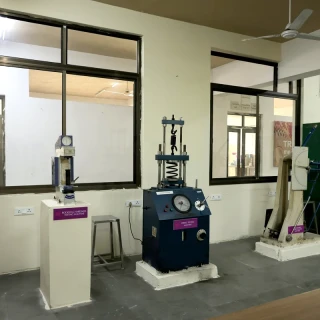
Material Science Lab

Material Science Lab

Material Science Lab
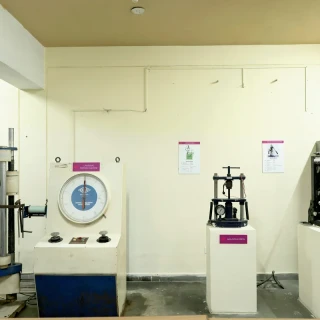
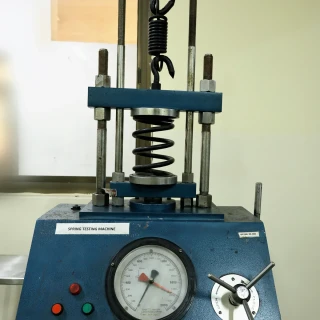
Strength of Material Lab

Strength of Material Lab

Strength of Material Lab
Mechatronics Lab

Mechatronics Lab

Mechatronics Lab
Measurement & Metrology Lab

Measurement & Metrology Lab

Measurement & Metrology Lab
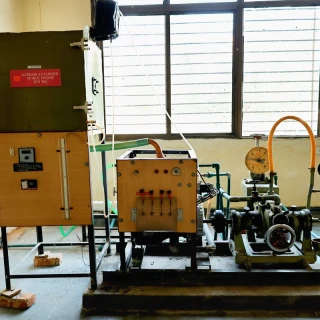
Fluid Mechanics and Machines Lab

Fluid Mechanics and Machines Lab

Fluid Mechanics and Machines Lab
Heat Transfer Lab

Heat Transfer Lab

Heat Transfer Lab
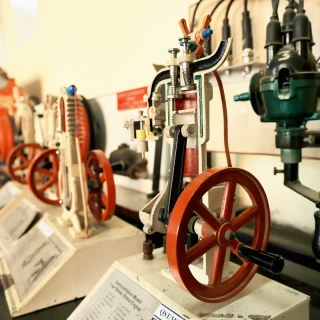
Thermal Engineering Lab

Thermal Engineering Lab

Thermal Engineering Lab
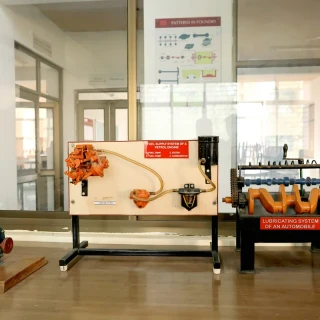
Vehicle Technology Lab

Vehicle Technology Lab

Vehicle Technology Lab
Workshop Practice WELDING SHOP

Workshop Practice-WELDING SHOP

Workshop Practice-WELDING SHOP
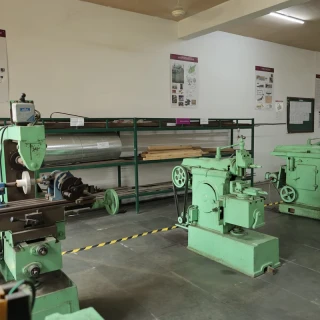
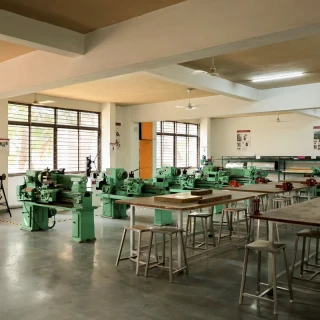
Manufacturing Science Lab

Manufacturing Science Lab

Manufacturing Science Lab

Research Highlights

Quantum University fully supports and encourages interdisciplinary research initiatives across different areas of study.

  • +Paper Publications
  • +Patents
  • +Startup Grants

Industry -Academic Collaborations

Quantum University has partnerships with over 150 industry leaders, providing students with valuable practical experience and exposure to current industry trends. Companies offer internships, real-world projects, and job opportunities to over 900 students annually at the best packages.



comp 04
comp 05
comp 06
comp 07
comp 08
comp 10
comp 11
comp 12


Learning Experience

curriculum

CURRICULUM

interdisciplinary

INTERDISCIPLINARY

passion programs 2

PASSION PROGRAMS (PROPS)