Program Overview
The Diploma in Mechanical Engineering program bridges the gap between academic learning and industry applications, enabling students to master core mechanical concepts and practical skills. The curriculum emphasizes engineering problem-solving, technical expertise, and application-based training, ensuring graduates are industry-ready.
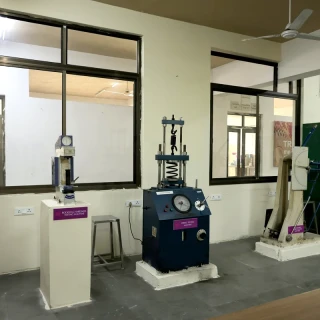
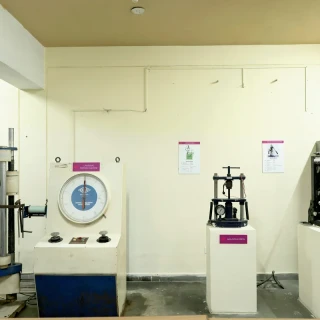
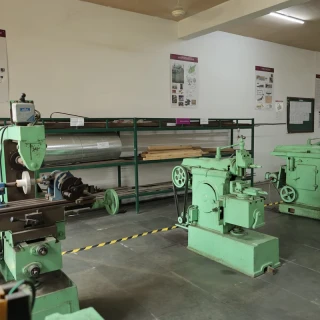
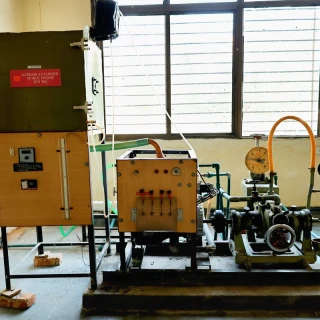
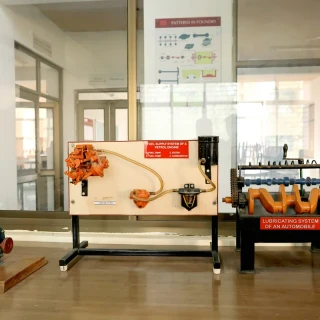
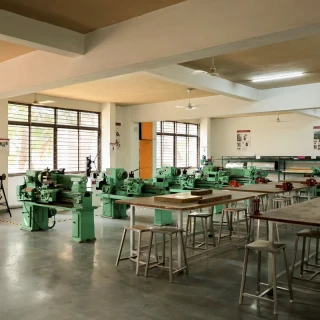
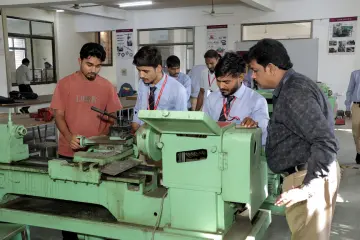
Through advanced workshops, lab training, and industry collaborations, students gain valuable experience in areas such as machining, thermal systems, hydraulic systems, and mechanical maintenance. This focus on real-world applications allows students to confidently tackle challenges in industries such as manufacturing, energy production, automotive engineering, and aerospace technology.
Graduates of this program are well-prepared to step into technical roles or continue their education to further specialize in mechanical engineering. With its emphasis on experiential learning, industry relevance, and career readiness, Quantum University ensures that diploma holders are equipped to thrive in India's booming engineering sector and contribute to the growth of the country's industrial economy.
Program Structure
The Diploma in Mechanical Engineering at Quantum University is a practice-oriented program aimed at producing technically skilled professionals ready for industrial deployment or further academic advancement. To earn the diploma, a student must successfully complete 157 credits across the following academic categories:Discipline Specific Core (DSC)), Multi-Disciplinary Courses, Ability Enhancement Courses (AEC), Industrial Training & Seminar and Project (PR).
The program structure is carefully designed to blend theoretical knowledge with hands-on training, ensuring graduates are both academically sound and industry-ready.
Teaching & Assessment
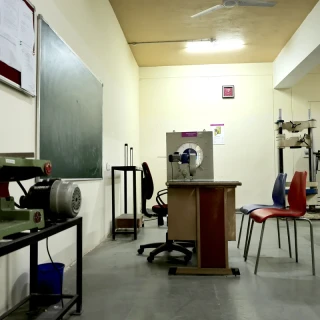
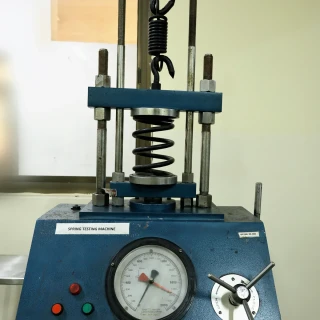
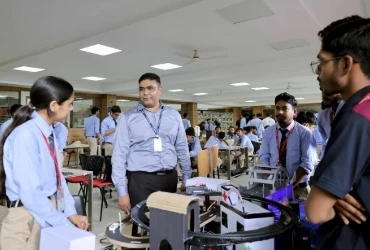
Quantum University follows a skill-based and outcome-driven teaching pedagogy for the Diploma in Mechanical Engineering. The teaching-learning environment is dynamic and focuses on: Regular lab sessions, fabrication projects, and practice-based training in machine tools, welding, CNC, and thermal labs. Concept-based teaching integrated with real-world examples to ensure clarity in fundamental principles.
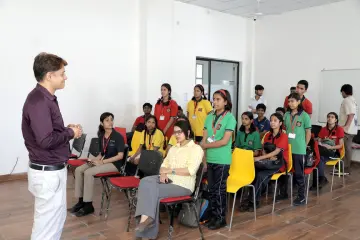
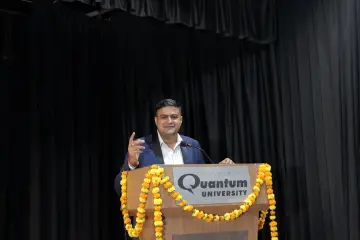
Periodic industrial visits, guest lectures by industry professionals, and compulsory internships promote awareness of current industry trends and technologies.
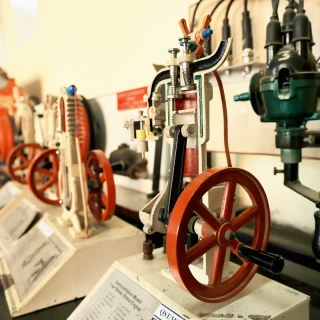
Use of simulation tools, 3D models, CAD software, and multimedia-based learning for enhanced understanding.
A variety of assessment tools are used to measure knowledge, skills, and application:Internal Assessments and End-Term Exams, Lab Records and Practical Demonstrations, Industrial Training Reports and Seminar Presentations, Skill-based Evaluations, Project Work Evaluation.
This approach ensures students not only gain academic knowledge but also develop the essential skills and attitude required in the modern mechanical engineering workplace.


 Undergraduate
 Postgraduate




 Career Tracks
  Entrepreneurship
 Higher Studies