Program Overview
The M.Tech in Computer Science and Engineering (CSE) program provides students with the skills and knowledge to tackle complex challenges in the ever-evolving field of computer science. With a curriculum that emphasizes advanced problem-solving, technical innovation, and research-driven learning, students are prepared to address pressing issues in areas like AI development, data privacy, and high-performance computing.
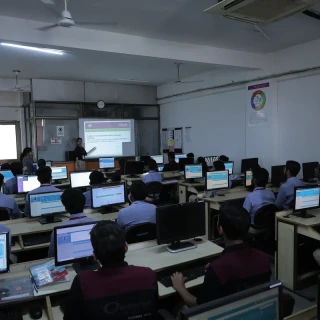
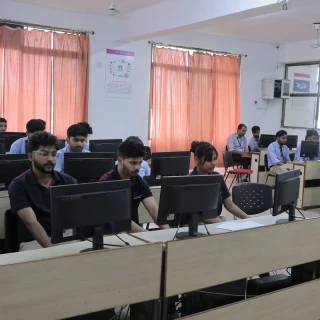
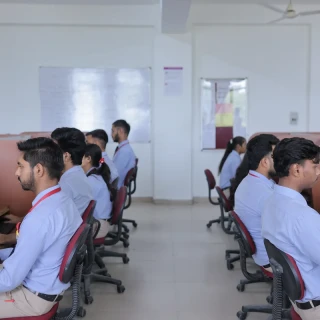
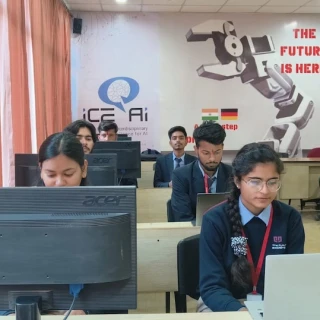
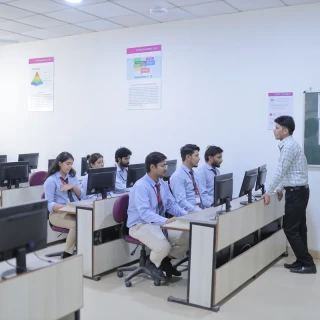
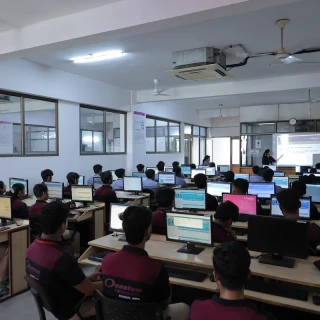
Through industry collaborations, state-of-the-art labs, and internships, students gain hands-on experience in technologies like cloud platforms, blockchain systems, and machine learning frameworks. The program also focuses on applying theoretical knowledge to real-world scenarios, fostering creativity and innovation.
Graduates from Quantum University emerge as industry-ready professionals capable of thriving in India's fast-growing IT ecosystem and contributing to global advancements in digital technologies. Recognized as one of the leading universities in India, Quantum University ensures that its graduates are equipped with both technical expertise and innovative problem-solving skills, making them valuable assets to the technology industry.
Program Structure
The M.Tech in Computer Science and Engineering (CSE) at Quantum University is a 2-year postgraduate program designed to provide in-depth technical knowledge and advanced research skills in the field of computer science. The program is structured across core subjects, electives, interdisciplinary courses, skill-based modules, and project components, with a focus on both academic rigor and practical application.
This program builds on foundational knowledge and offers specialized training in areas such as advanced algorithms, distributed systems, artificial intelligence, data science, cloud computing, cybersecurity, and software engineering. Emphasis is placed on research-based learning, problem-solving, and innovation, equipping students to address complex computing challenges across industry and academia.
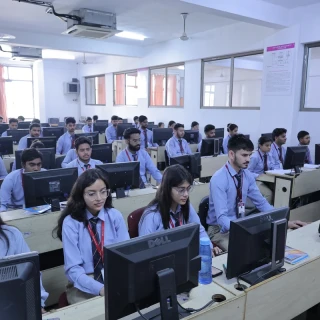
Students benefit from hands-on labs, advanced toolkits, industry-recognized certifications, and expert-led sessions, ensuring practical exposure alongside theoretical understanding. Technologies and platforms used in the program include Python, Java, Hadoop, TensorFlow, Kubernetes, AWS, and advanced analytics tools, depending on the elective path chosen.
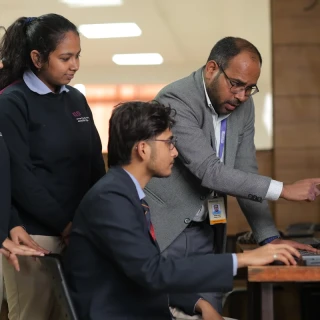
The curriculum also includes seminars, workshops, and research assignments, along with a minor project in the first year and a major dissertation or industry project in the second year, often carried out under the mentorship of faculty or industry professionals. This well-rounded structure ensures that graduates are well-equipped for research roles, advanced technical positions, or doctoral studies in cutting-edge areas of computer science.
Teaching & Assessment
The Teaching & Assessment approach for the M.Tech in Computer Science and Engineering (CSE) at Quantum University is designed to foster advanced technical expertise, research capability, and problem-solving skills. The pedagogy integrates deep theoretical foundations with research-oriented and industry-relevant practices, preparing students for leadership roles in academia, research, and high-end technology domains.
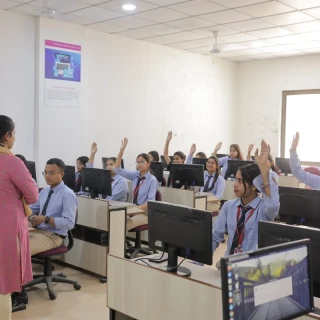
Teaching methods include advanced lectures, research seminars, lab-based experimentation, coding workshops, webinars, and expert sessions, delivered by experienced faculty and industry professionals. Students work on cutting-edge tools and technologies such as Python, Java, TensorFlow, Hadoop, Kubernetes, and cloud platforms like AWS and Azure, depending on their chosen specialization areas. The curriculum encourages the application of knowledge through real-world problem-solving, algorithm design, system modeling, and collaborative research projects.
The assessment framework is designed to evaluate both academic understanding and applied research competence. It includes research papers, written assignments, programming tasks, lab experiments, technical presentations, mid-term and end-term exams, and case study reviews. A major component is the M.Tech dissertation/project, where students undertake an individual research or industry project under faculty or external mentorship. This rigorous and comprehensive teaching and evaluation model ensures graduates are equipped for advanced roles in research labs, academic institutions, or high-technology industries, or for pursuing doctoral studies (Ph.D.) in specialized domains of computer science.


 Undergraduate
 Postgraduate







 Career Tracks
  Entrepreneurship
 Higher Studies





















































_1792149278_582f87ff.webp)