tr
BMLT
BMLT
BMLT
BMLT

BMLT

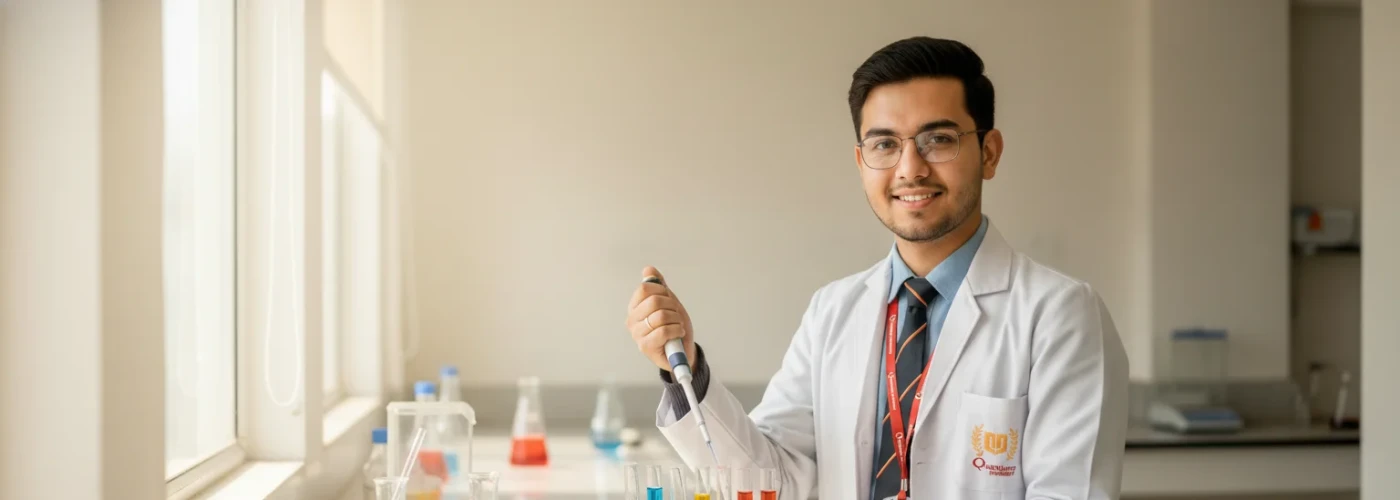
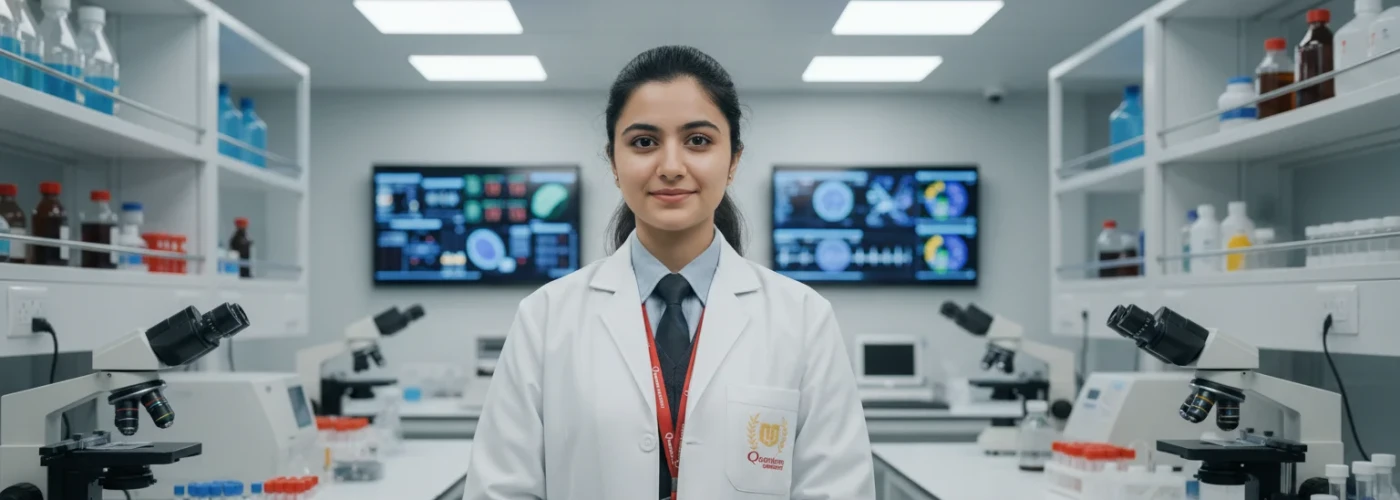
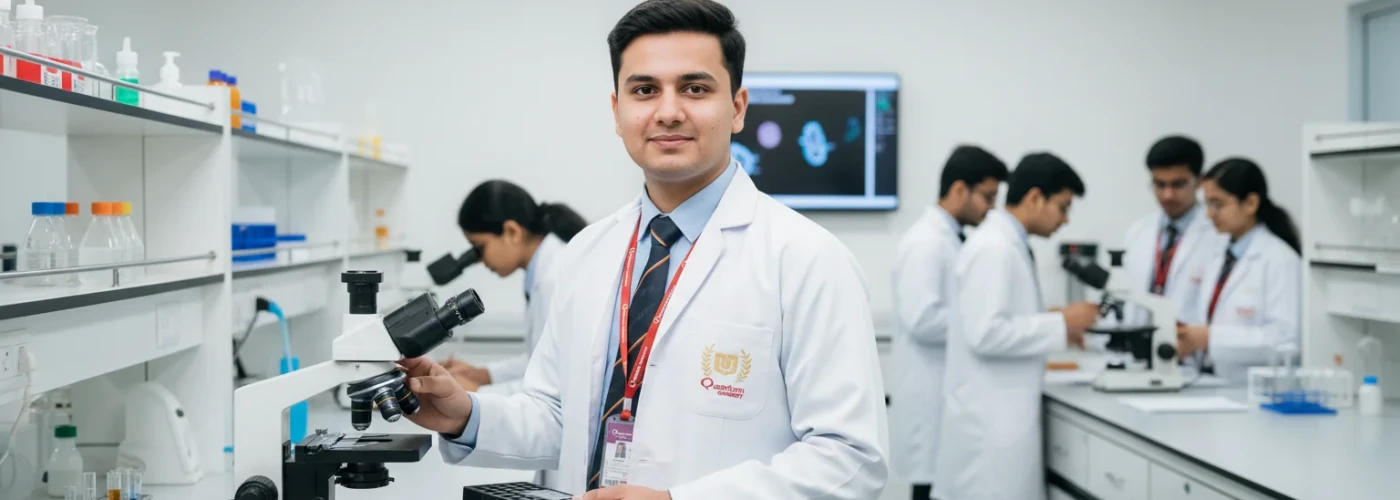
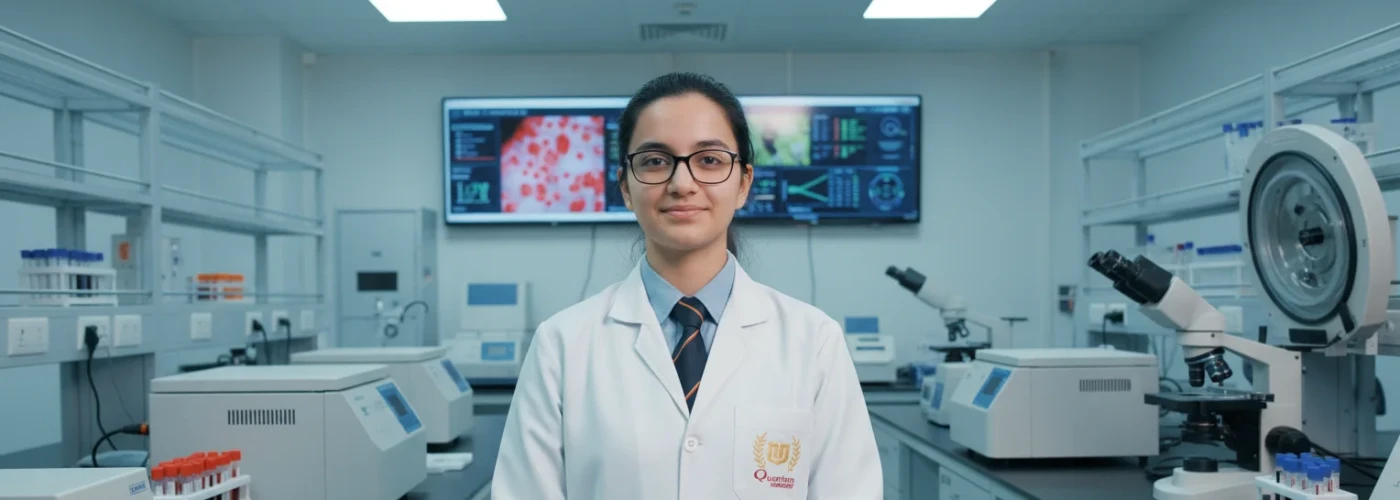
The Bachelor in Medical Laboratory Technology (BMLT) program at Quantum University is a highly specialized undergraduate course designed to prepare students for impactful careers in medical diagnostics and laboratory sciences. Recognized as one of the top institutions in India for medical lab technology education, Quantum University offers a curriculum that seamlessly combines theoretical knowledge with practical training to meet the demands of modern healthcare systems. The program covers a broad spectrum of subjects, including clinical biochemistry, microbiology, pathology, hematology, immunology, and diagnostic instrumentation, ensuring students gain a well-rounded understanding of the field. With a strong emphasis on hands-on training, students gain real-world experience through internships and live projects in diagnostic labs, hospitals, and research institutions. This course is ideal for individuals passionate about advancing healthcare diagnostics by mastering the use of advanced diagnostic equipment, performing accurate tests, and ensuring quality control in laboratory settings. The program’s focus on technical skills, analytical abilities, and diagnostic precision equips graduates to contribute significantly to India’s growing healthcare industry. Quantum University’s dedication to academic excellence and industry readiness makes its BMLT program a gateway to a rewarding career in medical diagnostics and biomedical research.

icon 09

Comprehensive Curriculum

Offers in-depth study of clinical biochemistry, microbiology, pathology, hematology, immunology, and diagnostic instrumentation, providing a strong theoretical and practical foundation.

icon 02

Extensive Practical Experience

Provides hands-on exposure in diagnostic labs, hospitals, and research institutions through internships and live projects, bridging the gap between academics and industry.

icon 04

Focus on Advanced Diagnostics

Emphasizes technical skills, analytical abilities, and proficiency in using cutting-edge diagnostic equipment, preparing students to excel in modern healthcare systems.

icon 07

Diverse Career Opportunities

Prepares graduates for roles as lab technologists, diagnostic technicians, quality control officers, or careers in biomedical research, addressing the growing needs of India’s healthcare sector.

Program Overview

The BMLT program at Quantum University is meticulously designed to provide students with a comprehensive education in medical laboratory technology, focusing on diagnostic precision and laboratory sciences. The curriculum includes advanced topics such as clinical biochemistry, microbiology, pathology, hematology, and diagnostic instrumentation, enabling students to meet the demands of modern healthcare systems. Through extensive hands-on training, students gain practical experience in diagnostic laboratories, hospitals, and research facilities, ensuring they are well-prepared for the real-world challenges of the industry. The program also emphasizes technical proficiency, analytical skills, and the use of cutting-edge diagnostic tools, making graduates job-ready for roles in diagnostic labs, healthcare facilities, and biomedical research. Recognized as one of the best colleges for BMLT in India, Quantum University ensures its graduates are equipped for impactful careers in medical diagnostics and allied healthcare fields.

Program Structure

The Bachelor of Science in Medical Laboratory Technology (B.Sc. MLT) program at Quantum University is a 3.5-year full-time undergraduate program, which includes a 6-month to 1-year compulsory internship designed to provide students with comprehensive training in clinical diagnostic procedures. The program is structured to build both academic excellence and laboratory proficiency, preparing students for careers in hospitals, diagnostic labs, and research facilities. The curriculum progresses from fundamental medical sciences to advanced diagnostic techniques used in laboratory medicine. In the first year , students study foundational subjects such as Human Anatomy, Physiology, Biochemistry, and introductory laboratory methods. The second year focuses on specialized topics including Pathology, Biochemistry, Immunology, Microbiology, Clinical Haematology, and Laboratory Instrumentation, emphasizing the role of medical technologists in disease diagnosis. The third year and internship period equip students with advanced knowledge in Clinical Biochemistry, Immunology, Histopathology, Blood Banking, and Molecular Diagnostics, alongside significant real-world laboratory exposure in clinical settings.

The program requires the successful completion of a minimum of 160 credits, distributed across core academic components including Discipline Specific Core (DSC), Discipline Specific Electives (DSE), Multidisciplinary Core (MDC), Multidisciplinary Minor (MN) or Open Electives (OE), Ability Enhancement Courses (AEC), Skill Enhancement Courses (SEC), Value Added Courses (VAC), Summer Internship (SI), and Project Work (PR). The curriculum is carefully designed to provide a balanced combination of theoretical learning and hands-on experience using modern diagnostic tools and laboratory equipment. Students are trained to perform, analyze, and interpret laboratory tests accurately, ensuring they meet the professional standards required in clinical and pathological laboratories.

Teaching & Assessment

At Quantum University, the teaching and assessment methods for the B.Sc. MLT program are thoughtfully designed to be practical, immersive, and aligned with current clinical and laboratory standards. The teaching approach includes a mix of classroom instruction, laboratory practicals, hospital-based training, seminars, workshops, webinars, and guest lectures delivered by professionals from the healthcare industry. Students receive real-world exposure through hospital internships, clinical postings, and certified training sessions conducted in collaboration with hospitals. Teaching is carried out by experienced faculty with expertise in laboratory medicine, ensuring students are trained with the latest advancements in diagnostic technology, quality control, and laboratory safety protocols.

The assessment framework of the B.Sc. MLT program is designed to be ongoing and thorough, ensuring a well-rounded evaluation of each student’s academic and practical development. Continuous internal assessments are conducted through regular monitoring of lab performance, daily practical work, assignments, seminar participation, and clinical case presentations, helping students strengthen their theoretical understanding and practical application. At the conclusion of each semester, students appear for university examinations, which include both theoretical papers and detailed practical evaluations. This well-structured assessment approach guarantees that graduates of the B.Sc. MLT program are not only proficient in laboratory procedures but also well-equipped for roles in clinical practice, lab supervision, and advanced studies or research in medical diagnostics.

Curriculum

  • Human Anatomy & Human Physiology 
  • Basics of Biochemistry 
  • Basic Haematology& Clinical Pathology I
  • General Microbiology I
  • Remedial Biology only for non bio students
  • Human Anatomy and Human Physiology Lab  
  • Basics of Biochemistry Lab 
  • Basic Haematology& Clinical Pathology I Lab 
  • Fundamentals of Microbiology Lab 
  • Communication & Professional Skills- I
  • Environmental Studies
  • Indian Knowledge System
  • General Proficiency
  • Fundamentals of Computer Applications
  • Basic Haematology& Clinical Pathology –II
  • General Microbiology II
  • Biochemistry II
  • Preventive Medicine & Community Healthcare 
  • Fundamentals of Computer Applications Lab
  • Basic Haematology& Clinical Pathology II  Lab
  • Principles of Microbiology Lab
  • Biochemistry II Lab
  • Communication & Professional Skills II
  • General Proficiency
  • United Nations Development Program
  • Disaster Preparedness & Management*
  • Passion Program-I
  • Pathology and Allied Subject -I(Haematology and Clinical Pathology)
  • Clinical Biochemistry-I(Separative and Instrumental Techniques)
  • Immunology and Serology Techniques -I
  • Quality Management and Patients Safety
  • Medical Microbiology-I(Technical Methods in Medical Microbiology)
  • Pathology and Allied Subject -I(Haematology and Clinical Pathology) Lab
  • Clinical Biochemistry-I Lab
  • Medical Microbiology I Lab
  • Immunology and Serology Techniques I Lab
  • Clinical Training-I
  • Employability Skills I (Numerical Abilities)
  • Open Elective-I
  • General Proficiency
  • Passion Program-II
  • Pathology and Allied Subject-II(Histopathology & Cytology Techniques)
  • Clinical Biochemistry II(Metabolic  and Blood Biochemistry)
  • Immunology and Serology Techniques-II
  • Medical law and Ethics
  • Medical Microbiology-II (Bacterial Pathogens and associated diseases)
  • Pathology and Allied Subject -II(Histopathology & Cytology Techniques) Lab
  • Clinical Biochemistry -II Lab
  • Medical Microbiology -II Lab
  • Immunology and Serology Techniques -II Lab
  • Employability Skill-II (Aptitude & Reasoning)
  • Open Elective-II
  • General Proficiency
  • Immunohematology and Blood bank Technology
  • Clinical Biochemistry -III (Biostatics, Automation& Endocrinology)
  • Medical Microbiology-III (Virology and Mycology )
  • Immunohematology and Blood Bank Technology Lab
  • Clinical Biochemistry-III Lab
  • Medical Microbiology-III Lab
  • DSE-I
  • Open Elective-III
  • Employability Skills -III (GDPI)
  • Clinical Training-II
  • General Proficiency
  • Mini Project
  • Summer Internship
  • Pathology and Allied subject III (Histopathology and Cytology)
  • Clinical Biochemistry-IV(Diagnostic Enzymology)
  • Medical Microbiology-IV (Parasitology and Advance Techniques).
  • DSE-II
  • DSE-III
  • Seminars
  • Pathology and allied subject III (Histopathology & Cytology) Lab
  • Clinical Biochemistry-IV Lab
  • Medical Microbiology IV Lab
  • Clinical Training-III
  • Hospital Posting

Program Outcomes

Program Educational Objectives (PEO's)
PEO1
Acquire comprehensive knowledge of structure and functions of human body, physiological and biochemical mechanisms involved in normal and abnormal health condition, knowledge of light microscopic and ultrastructure of human specimen. Knowledge of structure and functional correlation of blood constituents with disease process and be able to communicate the same clearly and with precision.
PEO2
Be aware of contemporary advances and developments in the field of medical laboratory sciences.
PEO3
Acquire Knowledge of modern research techniques and be familiar with the recent advances in medical laboratory tests.
PEO4
Inculcate habit of scientific enquiry and be able to identify lacunae in the existing knowledge in a given area
Program Specific Outcomes (PSO's)
PSO1
 Possess theoretical and practical knowledge of laboratory tests for disease diagnosis, including biochemical, pathological, and microbiological tests.
PSO2
Utilize scientific principles to think analytically and critically, solving laboratory problems and generating patient reports after sample processing.
PSO3
Demonstrate effective planning skills, including test timing management, resource management, delegation, and organizational skills, to meet deadlines in daily laboratory practice.
Program Outcomes (PO's)
PO-01
Apply knowledge and technical skills associated with medical laboratory technology for delivering quality clinical investigations support.
PO-02
Perform routine clinical laboratory procedures within acceptable quality control parameters in hematology, biochemistry, immunohematology, and microbiology.
PO-03
Demonstrate technical skills, social behavior, and professional awareness for functioning effectively as a laboratory technician.
PO-04
Apply problem solving techniques in identification and correction of pre analytical, post analytical & analytical variables.
PO-05
Operate and maintain laboratory equipment utilizing appropriate quality control and safety procedures.
PO-06
Recognize and impact of laboratory tests in a global and environmental context.
PO-07
Communicate effectively by oral, written, and graphical means.
PO-08
Function as a leader/team member in diverse professional and industrial research areas.
PO-09
Apply the fundamentals of research process to complete and present research studies that enrich the field of physical therapy.
PO-10
Function in an ethical and professional manner without bias against any ethnicity, race, religion, caste, or gender.
PO-11
Practice professional and ethical responsibilities with high degree of credibility, integrity, and social concern.

Minor Degree Programs

At Quantum University, students have the freedom to expand their academic horizons beyond their core area of study. Through minor programs, they can choose courses from related or entirely different disciplines, encouraging interdisciplinary learning and personal growth. This flexible approach empowers students to design a well-rounded education, explore new interests, and develop diverse skill sets that prepare them for dynamic career opportunities.

Some of the MINOR Degrees being offered are:

  • Entrepreneurship & Startups
  • Foreign languages (French)
  • Media Management
  • Financial Literacy
  • Robotics & Automation
  • Microsoft Office
  • Culinary Arts
  • Data Analytics
  • Web Designing
Explore More

Experiential Learning

Hospital Postings and Clinical Training

Hospital Postings and Clinical Training

Students are provided with extensive opportunities for immersive clinical training, supported by collaborations with established healthcare institutions.

  • Real-World Exposure: Students engage in diverse hospital activities, including assisting in diagnostic procedures, observing patient care protocols, and managing laboratory and clinical operations under professional supervision.
  • Skill Development: This hands-on experience sharpens their clinical expertise, interpersonal communication, and ability to adapt to high-pressure environments effectively.
  • Holistic Understanding: Exposure to multi- disciplinary healthcare systems helps students bridge the gap between classroom learning and practical applications, providing a comprehensive understanding of the healthcare industry.

Laboratory-Based Learning

Laboratory Based Learning

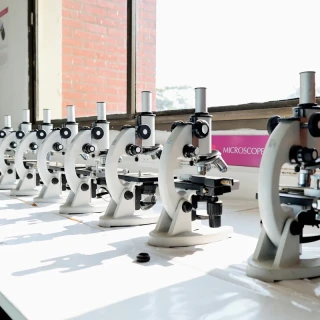
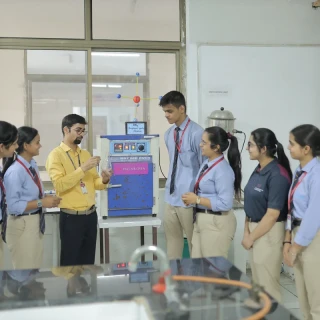
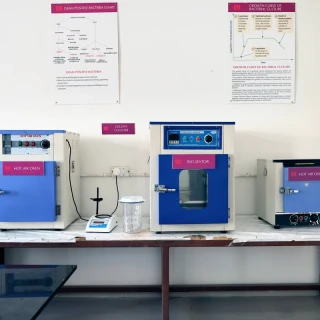
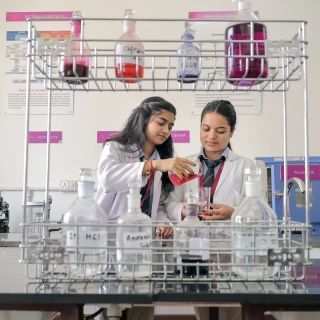
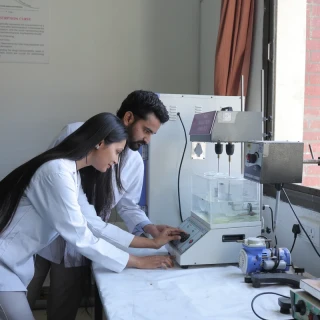
State-of-the-art laboratories equipped with advanced instruments provide an ideal environment for practical learning across disciplines like BMLT, BMRIT, and BPT.

Hands-On Training:
Students receive extensive training tailored to their respective fields:

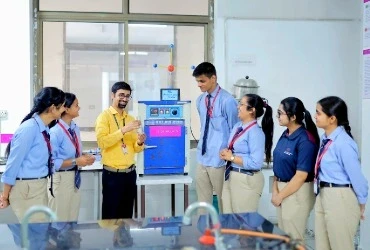
  • For BMLT: Handling laboratory equipment such as autoclaves, hot air ovens, microscopes, laminar airflows, and diagnostic tools.
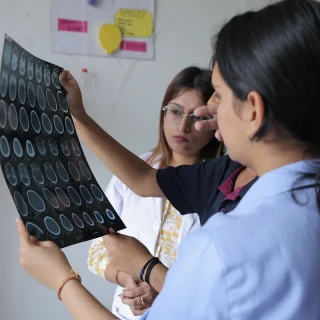
  • For BMRIT: Learning to operate imaging devices, including X-ray machines, CT scanners, and ultrasound systems, under supervision.
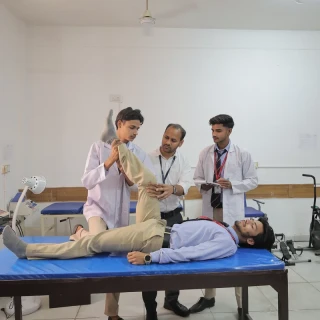
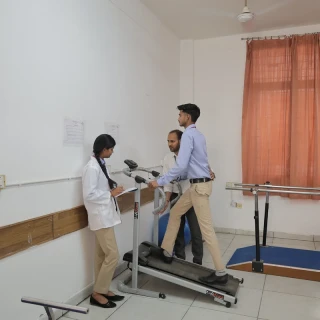
  • For BPT: Using therapeutic modalities like ultrasound therapy machines, electrotherapy devices, and rehabilitation equipment to practice physiotherapy techniques.

Practical Knowledge:
Discipline-specific activities allow students to build essential competencies:

  • BMLT: Culturing microorganisms, performing biochemical tests, hematology analysis, and studying pathology specimens.
  • BMRIT: Simulated patient positioning for imaging, analyzing radiographic images, and studying advanced imaging technologies like MRI.
  • BPT: Demonstrating and practicing rehabilitation exercises, designing therapy protocols, and performing functional assessments.

Skill Refinement:
Through continuous practice and expert mentorship, students develop:

  • Technical Precision: Mastery in handling equipment and performing procedures accurately.
  • Safety and Protocol Adherence: A deep understanding of laboratory and clinical safety standards across all programs.
  • Critical Thinking: Analytical skills to interpret results, assess patient needs, and troubleshoot equipment issues.

Workshops and Seminars

Workshops and Seminars

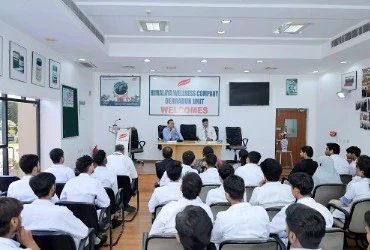
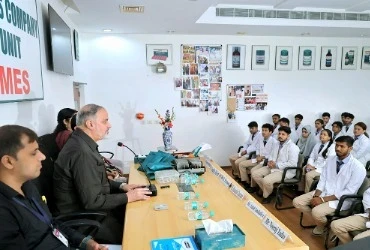
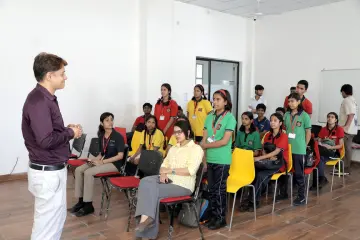
Regularly organized workshops and seminars offer students the chance to interact with industry experts and learn about the latest advancements in paramedical sciences.

  • Knowledge Expansion: These events focus on specialized topics like advanced diagnostic techniques, emerging trends in healthcare technology, and patient management strategies.
  • Interactive Learning: Students actively participate in hands-on demonstrations, role-play exercises, and discussions, enhancing their ability to grasp and apply new concepts.
  • Professional Networking: Interaction with guest speakers and professionals allows students to build connections that can guide their career paths and offer industry insights.

Community Engagement Programs

Community Engagement Programs

Community Engagement and Social Responsibility

The department emphasizes the importance of social responsibility and community outreach as integral components of its curriculum, ensuring students from programs like BMLT, BMRIT, and BPT gain holistic development alongside professional training.

  • Health Awareness Camps: Students actively participate in organizing health camps to educate communities about common health issues such as low backache, malnutrition, hygiene, and lifestyle disorders. These camps also offer free basic health check-ups, fostering preventive healthcare awareness.
  • Community Outreach Activities: Initiatives such as interactive skits, street plays, and awareness drives help students address health challenges in underserved areas. They highlight topics such as child nutrition, maternal health, sanitation, and chronic disease prevention in an engaging and impactful manner.
  • Empathy and Communication Development: By engaging directly with diverse populations, students cultivate empathy and refine their communication skills. These experiences enable them to understand patients' perspectives better and prepare them for compassionate, patient-centric roles in their professional careers.
  • Wellness and Rehabilitation Programs: Students collaborate with healthcare professionals to conduct rehabilitation workshops, fitness awareness sessions, and physiotherapy demonstrations, contributing to the well-being of individuals in need.
  • Interdisciplinary Participation: Collaborative efforts between paramedical, radiology, and physiotherapy students during these activities encourage teamwork and holistic approaches to healthcare delivery.

Outstanding Career Outcomes

Our graduates are in high demand across top engineering companies and innovative startups


  • LPAHIGHEST PACKAGE OFFERED
  •  NUMBER OF COMPANIES VISITED
  •  NUMBER OF STUDENTS PLACED
  • LPAAVERAGE PACKAGE OFFERED

Career Tracks

Lab Technician

Sample testing and diagnostics.

Pathology Assistant

Support for pathological investigations.

Biochemist

Chemical and enzyme-based testing.

Microbiologist

Microbe culture and identification.

Career Tracks
2
Career Tracks
Career Tracks
Career Tracks
Career Tracks
Career Tracks
Career Tracks
Career Tracks
bhm
bhm2
health

Entrepreneurship

Comprehensive Skill Development: At Quantum University, the teaching methodology includes extensive Skill Development Courses (SKCs) designed to equip students with the necessary skills to start their own ventures.

Entrepreneurial and Leadership Opportunities: Quantum University is providing ample opportunities to students to start their own ventures. More than 100 Start-ups are in progress.

Networking and Career Success: Quantum University fosters strong industry connections and real-world exposure, enabling students to build professional networks and unlock rewarding career opportunities.

Entrepreneurship
Entrepreneurship
Entrepreneurship
Entrepreneurship
Entrepreneurship
Entrepreneurship
Entrepreneurship
Entrepreneurship
Entrepreneurship
Entrepreneurship
Entrepreneurship
Entrepreneurship

Higher Studies

Master’s Programs: Quantum University offers a range of industry-relevant master's programs designed to deepen academic knowledge, enhance professional skills, and prepare students for leadership roles in their chosen fields.

Ph.D. Opportunities: Quantum University offers rigorous Ph.D. programs that foster advanced research, innovation, and academic excellence. With expert mentorship, interdisciplinary collaboration, and access to cutting-edge resources, scholars are empowered to contribute meaningful insights to their fields.

Networking and Career Success: Students benefit from a strong ecosystem of industry partnerships, alumni networks, and career development support. Regular workshops, internships, expert talks, and placement drives help students build valuable connections and achieve long-term career success.

Higher Studies
Higher Studies

Higher Studies
Higher Studies

Higher Studies
Higher Studies

Higher Studies

Higher Studies

Higher Studies

Higher Studies

health
rr

Mentors Who Shape Futures

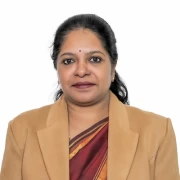
n  murugalatha
Dr. N. Murugalatha
Professor
Profile
dr ankita bhatt
Dr. Ankita Bhatt
Assistant Professor
Profile
deepak kumar sharma
Deepak Kumar Sharma
Assistant Professor
Profile
mahima dwivedi
Mahima Dwivedi
Assistant Professor
Profile
paridhi rawat
Paridhi Rawat
Assistant Professor
Profile
rahul kumar
Rahul Kumar
Assistant Professor
Profile
sourabh chandra
Sourabh Chandra
Assistant Professor
Profile
vibhanshu gupta
Vibhanshu Gupta
Assistant Professor
Profile
chhavi singh
Chhavi Singh
Assistant Professor
Profile
harshit sehrawat
Harshit Sehrawat
Assistant Professor
Profile

Labs

Human Anatomy & Physiology Lab

Human Anatomy & Physiology Lab

Human Anatomy & Physiology Lab
Biochemistry Lab

Biochemistry Lab

Biochemistry Lab
Microbiology & Immunology Lab

Microbiology & Immunology Lab

Microbiology & Immunology Lab
Hematology Lab

Hematology Lab

Hematology Lab
Radiology & Imaging Technology

Radiology & Imaging Technology

Radiology & Imaging Technology
3r5a4253

Pathology & Histopathology Lab

Pathology & Histopathology Lab
Clinical Skills Lab

Clinical Skills Lab

Clinical Skills Lab
Physiotherapy Lab

Physiotherapy Lab

Physiotherapy Lab
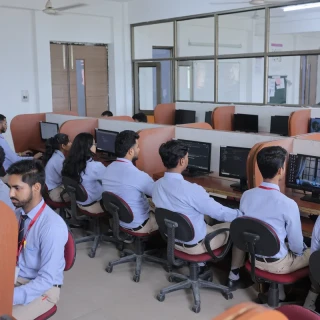
Computing Lab

Computing Lab

Computing Lab

Research Highlights

Quantum University fully supports and encourages interdisciplinary research initiatives across different areas of study.

  • +Paper Publications
  • +Patents
  • +Startup Grants

Industry -Academic Collaborations

Quantum University has partnerships with over 150 industry leaders, providing students with valuable practical experience and exposure to current industry trends. Companies offer internships, real-world projects, and job opportunities to over 900 students annually at the best packages.


comp 04
comp 05
comp 06
comp 07
comp 08
comp 10
comp 11
comp 12


Learning Experience

curriculum

CURRICULUM

interdisciplinary

INTERDISCIPLINARY

passion programs 2

PASSION PROGRAMS (PROPS)