Laboratory Training
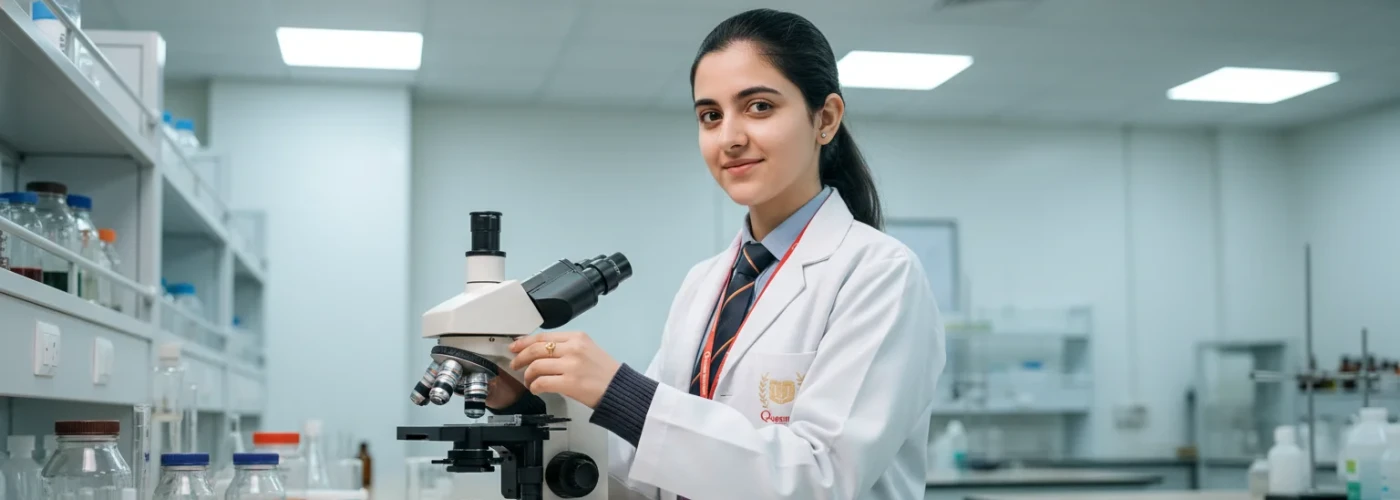
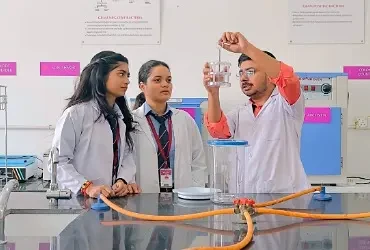
Laboratory Training is the foundation of experiential learning in the B.Sc (Hons.) Biotechnology program. It provides students with hands on experience in core biotechnological techniques such as cell culture, microbiology, molecular biology, biochemistry, and genetic analysis. Students learn to handle laboratory equipment, follow safety protocols, record observations, and analyze experimental results. This practical exposure helps bridge the gap between theoretical concepts and real scientific application. By working directly in well equipped labs, students develop technical accuracy, scientific discipline, and problem solving skills, preparing them for careers in research laboratories, biotechnology industries, healthcare, and higher academic studies.
Research Projects
Research Projects are a key part of experiential learning in the B.Sc (Hons.) Biotechnology program. Students work on guided research assignments that involve problem identification, experimental planning, data collection, and result interpretation. These projects encourage students to apply classroom concepts to real scientific questions in areas such as genetics, microbiology, biochemistry, and molecular biology. Through hands on research, students develop critical thinking, analytical ability, and scientific writing skills. The experience builds research confidence and prepares students for future roles in biotechnology research, industrial laboratories, innovation driven sectors, and postgraduate studies.
Internships
Internships form an important part of experiential learning in the B.Sc (Hons.) Biotechnology program. They provide students with real world exposure in research laboratories, biotechnology companies, healthcare organizations, and academic institutions. During internships, students apply laboratory techniques, research methods, and scientific knowledge in professional environments. This hands on experience helps them understand industry practices, laboratory workflows, and ethical standards. Internships also build practical skills, professional discipline, and career awareness. By working alongside scientists and professionals, students gain valuable experience that strengthens employability and prepares them for careers in biotechnology, research, healthcare, and related fields.
Workshops & Seminars
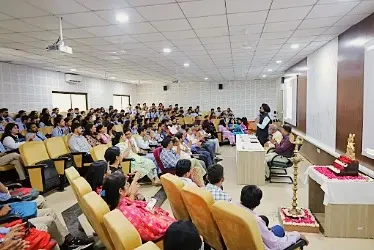
Workshops and Seminars are an important part of experiential learning in the B.Sc (Hons.) Biotechnology program. These sessions expose students to emerging areas of biotechnology, recent scientific advances, and industry practices. Conducted by faculty members, researchers, and industry experts, they focus on practical techniques, research trends, and career pathways. Interactive discussions and hands on demonstrations help students connect theory with real applications. By participating in workshops and seminars, students broaden their scientific understanding, improve communication skills, and stay updated with developments in biotechnology and life sciences.
Field Studies
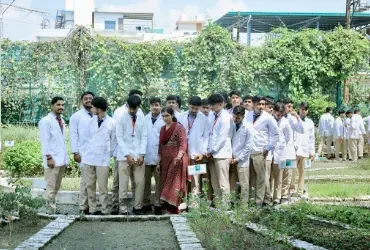
Field Studies are an important component of experiential learning in the B.Sc (Hons.) Biotechnology program. They provide students with real world exposure beyond the laboratory, helping them understand how biotechnology is applied in natural and industrial settings. Students visit research centers, industries, agricultural sites, environmental zones, and healthcare facilities to observe biological processes and technologies in practice. These visits help connect theoretical knowledge with practical realities such as biodiversity assessment, environmental monitoring, and bioprocess applications. Field studies also enhance observation skills, scientific curiosity, and contextual understanding, preparing students for applied research and industry oriented roles in biotechnology.


 Undergraduate
 Postgraduate


 Career Tracks
  Entrepreneurship
 Higher Studies