tr
MCA
MCA

MCA

The Master of Computer Applications (MCA) program at Quantum University, one of the top universities in India, is a specialized postgraduate degree designed to develop advanced expertise in computer science, information technology, and software development. This program is ideal for students seeking to master the latest technologies and trends in the IT industry, preparing them for leadership roles in software engineering, data science, AI, and cybersecurity. With technology advancing at a rapid pace, the MCA program provides students with the skills and knowledge to meet the demands of India's growing digital economy and the global tech sector.

The curriculum combines rigorous academic training with practical exposure, covering topics such as advanced programming languages, machine learning, big data analytics, cloud computing, and cybersecurity frameworks. Students engage in hands-on learning through projects, internships, and research-driven initiatives, equipping them with the technical and analytical skills needed to solve complex IT challenges. With a focus on research and innovation, the program encourages students to develop cutting-edge solutions and explore new technologies.

Quantum University ensures a student-centered learning environment, where students gain exposure to modern tools and technologies, enabling them to succeed in high-demand roles such as data scientists, AI engineers, software developers, and IT consultants. By integrating theoretical foundations with real-world applications, the MCA program prepares graduates to lead and innovate in India's tech-driven economy and global technology landscape.

icon 09

Advanced Curriculum

Covers topics such as programming languages (Python, Java, C#), software engineering principles, machine learning algorithms, big data analytics, cloud computing, and IoT systems.

icon 02

Hands-On Training

Provides practical exposure through real-world projects, case studies, hackathons, and internships, enabling students to develop technical and problem-solving skills.

icon 04

Research and Innovation

Students engage in cutting-edge research on topics like AI applications, blockchain technology, and cybersecurity solutions, fostering innovation and creativity.

icon 07

Career Opportunities

Graduates can pursue roles such as data scientists, AI engineers, software developers, IT managers, cybersecurity experts, and cloud architects, contributing to India's digital transformation initiatives and the global IT industry.

Program Overview

The MCA program at Quantum University is designed to prepare students for high-level careers in the IT and software industries by providing a comprehensive education in advanced computer science concepts and emerging technologies. The curriculum integrates theoretical knowledge with practical applications, ensuring students are well-equipped to address the challenges of modern IT infrastructure and software development.

Students gain hands-on experience in areas such as big data analytics, cloud computing, cybersecurity, and AI-driven applications, using modern tools and platforms. Emphasis is placed on analytical thinking, problem-solving, and technical innovation, ensuring graduates are capable of developing scalable IT solutions and managing complex systems.

Recognized as one of the leading engineering and IT education providers in India, Quantum University provides students with state-of-the-art facilities, industry collaborations, and experiential learning opportunities. The MCA program ensures that graduates are not only job-ready but also prepared to lead and innovate in the fast-evolving technology sector, both in India and globally.

Program Structure

Quantum University's MCA program is a focused, advanced-level degree designed to build upon undergraduate knowledge and develop deep expertise in modern computing domains. The curriculum is thoughtfully structured across a blend of core, elective, and skill-based modules to ensure both academic rigor and industry readiness.

The program is organized into nine comprehensive categories: Discipline Specific Core (DSC), Discipline Specific Elective (DSE), Multidisciplinary Core (MDC), Multidisciplinary Minor (MN) / Open Electives (OE), Ability Enhancement Courses (AEC), Skill Enhancement Courses (SEC), Value Added Courses (VAC), Summer Internship (SI), and Project (PR). These categories offer a holistic learning experience that blends theoretical knowledge with hands-on training.

Students can choose to specialize in high-demand areas such as Cyber Security, Artificial Intelligence & Machine Learning, Cloud Technology and Information Security, Data Science, and Full Stack Development. The MCA program is meticulously designed to equip students with the technical proficiency, analytical thinking, and practical exposure required by top tech companies, research institutions, and innovative startups.

To further enhance practical and professional capabilities, the department also emphasizes preparation for national-level competitive exams like GATE. Through expert-led sessions, mock assessments, and personalized mentoring, students are encouraged to pursue higher education and research opportunities in prestigious institutions.

Teaching & Assessment

The MCA program at Quantum University is designed to offer a balanced blend of academic depth, practical exposure, and strong industry relevance. The teaching approach is application-driven, focusing on imparting theoretical knowledge alongside hands-on skills essential for solving real-world problems. Classroom learning is enriched through advanced coding labs, technical workshops, expert-led seminars and webinars, industrial visits, and certified training programs. A strong emphasis is placed on project-based learning to nurture innovation and problem-solving abilities.

Modern tools such as learning management systems (LMS), cloud platforms, simulation tools, and integrated development environments (IDEs) are regularly used to deliver an engaging and dynamic learning experience. Faculty members, with rich academic and industry backgrounds, integrate case studies, live projects, and content from emerging domains like Artificial Intelligence, Data Science, Cyber Security, Cloud Computing, and Full Stack Development into their teaching.

Assessment strategies are designed to holistically evaluate students through coding tasks, software development projects, quizzes, case study analysis, research-based assignments, and internships. This comprehensive evaluation ensures students build technical expertise, analytical thinking, teamwork, and adaptability. Overall, the MCA program equips graduates with the skills and confidence to thrive in top tech companies, research organizations, or entrepreneurial ventures in the ever-evolving digital world.

Curriculum

  • Programming in Java
  • Mathematics for Machine Learning
  • Data Structures and Algorithms
  • Advanced Database Management System
  • DSE-I
  • Advanced DBMS Lab
  • DSA using Java lab
  • Seminar I
  • General Proficiency
  • Python Programming
  • An Introduction to Artificial Intelligence
  • Web Development - I
  • DSE-II
  • DSE-III
  • Python Programming Lab
  • Web Development - I Lab
  • Seminar II
  • General Proficiency
  • Data Visualization and Machine Learning Models
  • PHP and MYSQL
  • DSE-IV
  • DSE-V
  • Data Visualization and Machine Learning Models Lab
  • PHP and MYSQL Lab
  • Web Development-II Lab
  • Final Project
  • Seminar III
  • General Proficiency
  • Deep Learning Concepts
  • Software Engineering & Project Management
  • Final Dissertation

Program Outcomes

Program Educational Objectives (PEO's)
PEO1
To be well familiar with the concepts of Computer Applications for leading a successful career in industry or as entrepreneur or to pursue higher education.
PEO2
To develop techno-commercial skills for providing effective solutions to complex problems using domain knowledge of Computer Applications
PEO3
To instill lifelong learning approach towards constantly evolving technologies with innovative and ethical mindset.
Program Specific Outcomes (PSO's)
PSO1
To Solve real world computing system problems of various industries by understanding and applying the principles of mathematics, computing techniques and business concepts.
PSO2
To Design, test, develop and maintain desktop, web, mobile and cross platform software applications using modern tools and technologies.
PSO3
To use the techniques, skills and modern hardware and software tools necessary for innovative software solutions.
PSO4
Develop ability to use current technologies, skills and models for computing practice.
Program Outcomes (PO's)
PO-01
Computational knowledge: Acquire in-depth computational knowledge and mathematics with an ability to abstract and conceptualize models from defined problems and requirements.
PO-02
Problem Analysis: Identify, formulate, conduct literature survey and solve complex computing problems through analysis as well as provide optimal solutions.
PO-03
Design/ development of solutions: Design and evaluate solutions for complex problems, components or processes that meet specified needs after considering public health and safety, cultural, societal, and environmental factors.
PO-04
Conduct investigations of complex problems: Conduct literature survey to analyze and extract information relevant to unfamiliar problems and synthesize information to provide valid conclusions and interpret data by applying appropriate research methods, tools and design experiments.
PO-05
Modern tool usage: Create, select, adapt and apply appropriate techniques, resources and modern IT tools to complex computing system activities, with an understanding of the limitations.
PO-06
Professional Ethics: Understand and commit to professional ethics and cyber regulations, responsibilities, and norms of professional computing practices.
PO-07
Life-long Learning: Engage in lifelong learning independently for continual development to improve knowledge and competence as a computing professional.
PO-08
Project management and finance: Demonstrate knowledge and understanding of management principles and apply these to multidisciplinary software development as a team member and manage projects efficiently as a leader considering economical and financial factors.
PO-09
Communication Efficacy: Understand and communicate effectively with the computing community and with society at large, regarding complex computing systems activities confidently and effectively by writing effective reports and design documentations by adhering to appropriate standards, make effective presentations and give / receive clear instructions.
PO-10
Societal and Environmental Concern: Understand responsibilities and consequences based on societal, environmental, health, safety, legal and cultural issues within local and global contexts relevant to professional computing practices.
PO-11
Individual and team work: Function effectively as an individual, and as a member or leader in diverse teams, and in multidisciplinary settings.
PO-12
Innovation and Entrepreneurship: Identify a timely opportunity for entrepreneurship and use innovation to pursue and create value addition for the betterment of the individual and society at large.

Other Specilizations

Minor Degree Programs

At Quantum University, students have the freedom to expand their academic horizons beyond their core area of study. Through minor programs, they can choose courses from related or entirely different disciplines, encouraging interdisciplinary learning and personal growth. This flexible approach empowers students to design a well-rounded education, explore new interests, and develop diverse skill sets that prepare them for dynamic career opportunities.

Some of the MINOR Degrees being offered are:

  • Entrepreneurship & Startups
  • Foreign languages (French)
  • Media Management
  • Financial Literacy
  • Robotics & Automation
  • Microsoft Office
  • Culinary Arts
  • Data Analytics
  • Web Designing
Explore More

Experiential Learning

The Department of Computer Applications at Quantum University offers Bachelor of Computer Applications (BCA)and Master of Computer Applications (MCA) programs that emphasize hands-on, experiential learning to prepare students for the evolving demands of the IT industry. Through a combination of rigorous academics and practical exposure, the department fosters technical expertise, innovative thinking, and problem-solving abilities, equipping students to excel in various domains of computer applications.

Hackathons

Hackathons

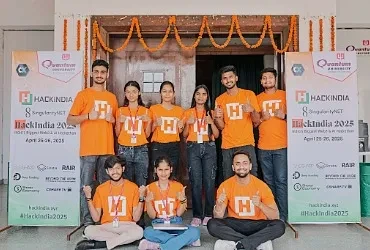
Students actively participate in inter-university and national-level hackathons, showcasing their programming and analytical skills while solving real-world challenges. These events foster innovation, teamwork, and leadership among participants. The department's CODEX Club organizes the CodeFest series, providing a platform for students to collaborate on live projects, explore creative solutions, and gain valuable coding experience. These activities help students build confidence and adapt to industry trends.

Technical Events

Technical Events

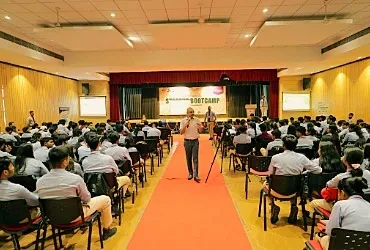
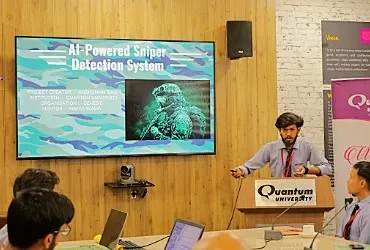
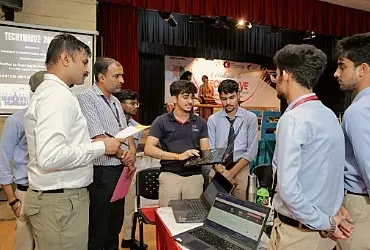
Students engage in a variety of technical events such as coding marathons, quizzes, and project showcases. These events test their knowledge, enhance their technical skills, and encourage a spirit of healthy competition. The CODEX Clubsupports students by organizing such events regularly, enabling them to stay updated with the latest technologies and tools while fostering peer collaboration and teamwork.

Internships/Training

Internships/Training

Internships & Trainings

Both BCA and MCA programs prioritize practical exposure through internships and certified training programs with leading IT firms. These experiences allow students to:

  • Apply classroom knowledge to real-world scenarios.
  • Gain hands-on experience with industry-relevant tools and technologies.
  • Develop professional skills like problem-solving, teamwork, and adaptability.
    MCA students, in particular, undertake advanced internships that focus on research, innovation, and real-time application development, further preparing them for specialized roles in the IT sector.

Workshops

Workshops

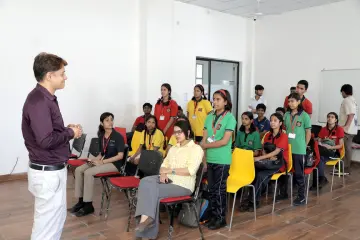
The department organizes workshops led by industry experts to provide hands-on exposure to emerging technologies, such as:

  • Artificial Intelligence & Machine Learning
  • Data Science & Analytics
  • Web & Mobile Application Development
  • Cybersecurity & Ethical Hacking

These workshops are tailored to the evolving needs of the IT industry and help students bridge the gap between theoretical knowledge and practical application.

Industrial Visits

Industrial Visits

Industrial visits are a regular part of the experiential learning process, enabling students to:

  • Understand real-world operations in IT companies.
  • Observe workflows, software development processes, and cutting-edge technologies.
  • Gain insights into industry practices and expectations.

These visits enrich the learning experience by providing students with a comprehensive view of how concepts learned in class are applied in professional environments.

Outstanding Career Outcomes

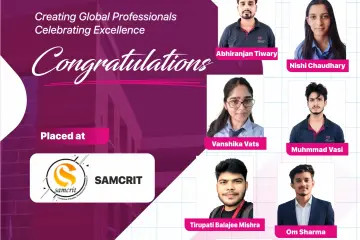
Our graduates are in high demand across top engineering companies and innovative startups


  • LPAHIGHEST PACKAGE OFFERED
  •  NUMBER OF COMPANIES VISITED
  •  NUMBER OF STUDENTS PLACED
  • LPAAVERAGE PACKAGE OFFERED

Career Tracks

Software Engineer

Enterprise-level application development.

Database Architect

Data modeling and structure optimization.

Cloud Specialist

Cloud deployment and management.

System Analyst

Process improvement through IT systems.

Career Tracks
2
Career Tracks
Career Tracks
Career Tracks
Career Tracks
Career Tracks
Career Tracks
Career Tracks
bhm
bhm2
health

Entrepreneurship

Comprehensive Skill Development: At Quantum University, the teaching methodology includes extensive Skill Development Courses (SKCs) designed to equip students with the necessary skills to start their own ventures.

Entrepreneurial and Leadership Opportunities: Quantum University is providing ample opportunities to students to start their own ventures. More than 100 Start-ups are in progress.

Networking and Career Success: Quantum University fosters strong industry connections and real-world exposure, enabling students to build professional networks and unlock rewarding career opportunities.

Entrepreneurship
Entrepreneurship
Entrepreneurship
Entrepreneurship
Entrepreneurship
Entrepreneurship
Entrepreneurship
Entrepreneurship
Entrepreneurship
Entrepreneurship
Entrepreneurship
Entrepreneurship

Higher Studies

Master’s Programs: Quantum University offers a range of industry-relevant master's programs designed to deepen academic knowledge, enhance professional skills, and prepare students for leadership roles in their chosen fields.

Ph.D. Opportunities: Quantum University offers rigorous Ph.D. programs that foster advanced research, innovation, and academic excellence. With expert mentorship, interdisciplinary collaboration, and access to cutting-edge resources, scholars are empowered to contribute meaningful insights to their fields.

Networking and Career Success: Students benefit from a strong ecosystem of industry partnerships, alumni networks, and career development support. Regular workshops, internships, expert talks, and placement drives help students build valuable connections and achieve long-term career success.

Higher Studies
Higher Studies

Higher Studies

Higher Studies

Higher Studies

Higher Studies

Higher Studies

Higher Studies

Higher Studies

Higher Studies

health
rr

Mentors Who Shape Futures

dr  himanshu tyagi
Dr. Himanshu Tyagi
Assistant Professor
Profile
amrita kumari
Dr. Amrita Kumari
Assistant Professor
Profile
iqbal sir
Dr. Md. Iqbal
Professor
Profile
director qst
Dr. Brij Mohan Singh
Professor
Profile
dean sir  final
Dr. Satender Kumar
Associate Professor
Profile
dr  mridula
Dr. Mridula
Professor
Profile
raj kumar
Dr. Raj Kumar
Assistant Professor
Profile
dr  anuj kumar
Dr. Anuj Kumar
Assistant Professor
Profile
ankur rana
Ankur Rana
Assistant Professor
Profile
deepak bhatt
Deepak Bhatt
Assistant Professor
Profile

Labs

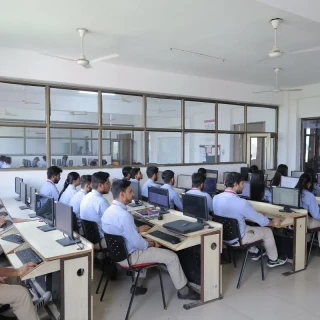
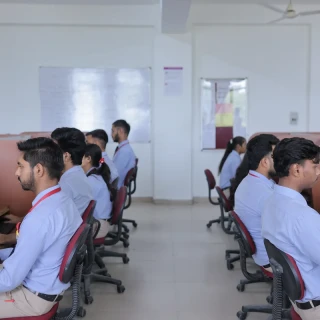
Internet Lab

Internet Lab

Internet Lab
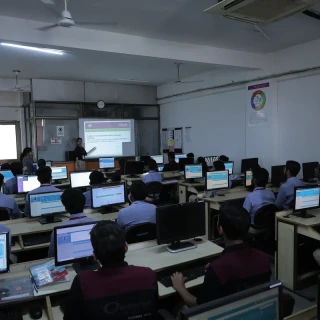
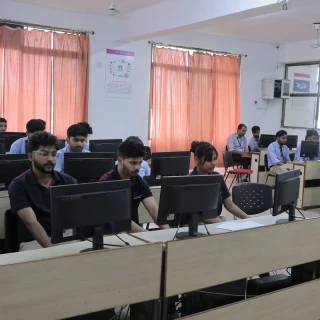
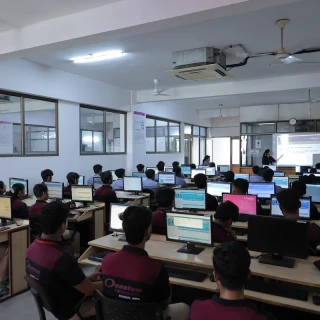
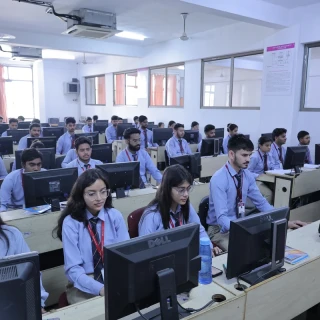
Computer Applications Lab

Computer Applications Lab

Computer Applications Lab
Database Management System Lab

Database Management System Lab

Database Management System Lab
Data Structure Lab

Data Structure Lab

Data Structure Lab
3r5a6458

Design and Analysis of Algorithms Lab

Design and Analysis of Algorithms Lab
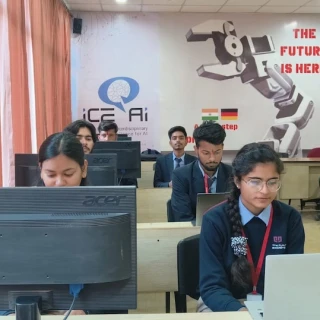
AK Khare Interdisciplinary Center of Excellence in AI

AK Khare Interdisciplinary Center of Excellence in AI

AK Khare Interdisciplinary Center of Excellence in AI
Object Oriented Programming Lab

Object Oriented Programming Lab

Object Oriented Programming Lab
Open Source Lab

Open Source Lab

Open Source Lab
Operating System Lab

Operating System Lab

Operating System Lab
Python Programming Lab

Python Programming Lab

Python Programming Lab

Research Highlights

Quantum University fully supports and encourages interdisciplinary research initiatives across different areas of study.

  • +Paper Publications
  • +Patents
  • +Startup Grants

Industry -Academic Collaborations

Quantum University has partnerships with over 150 industry leaders, providing students with valuable practical experience and exposure to current industry trends. Companies offer internships, real-world projects, and job opportunities to over 900 students annually at the best packages.



comp 04
comp 05
comp 06
comp 07
comp 08
comp 10
comp 11
comp 12


Learning Experience

curriculum

CURRICULUM

interdisciplinary

INTERDISCIPLINARY

passion programs 2

PASSION PROGRAMS (PROPS)