Advanced Workshops and Skill Development
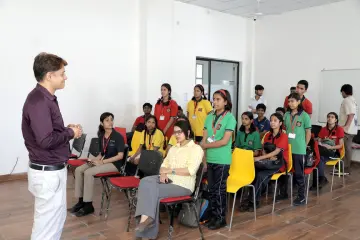
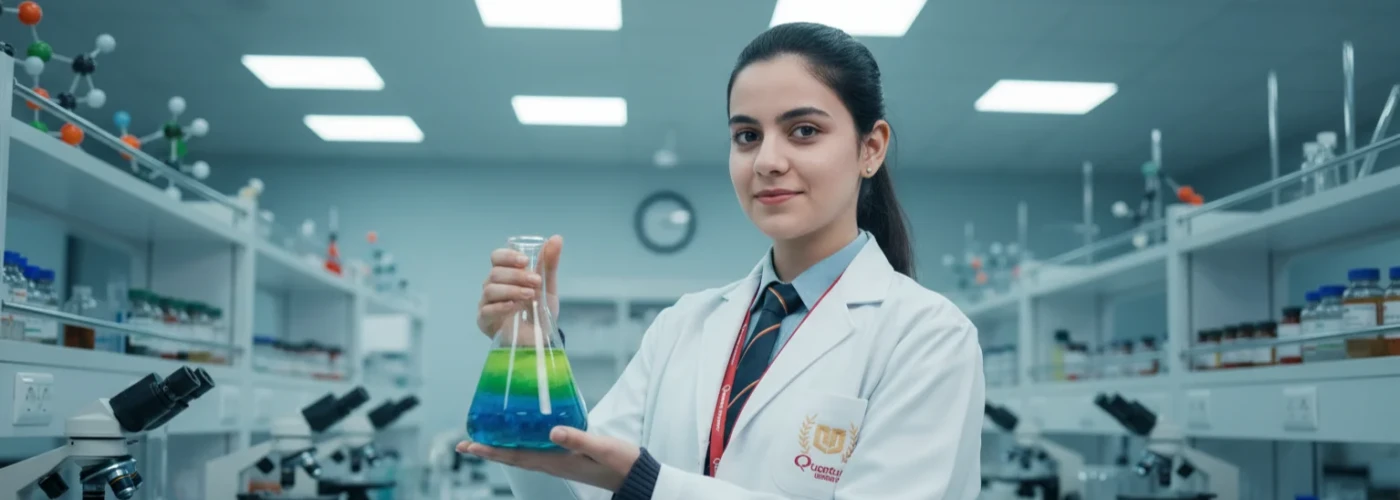
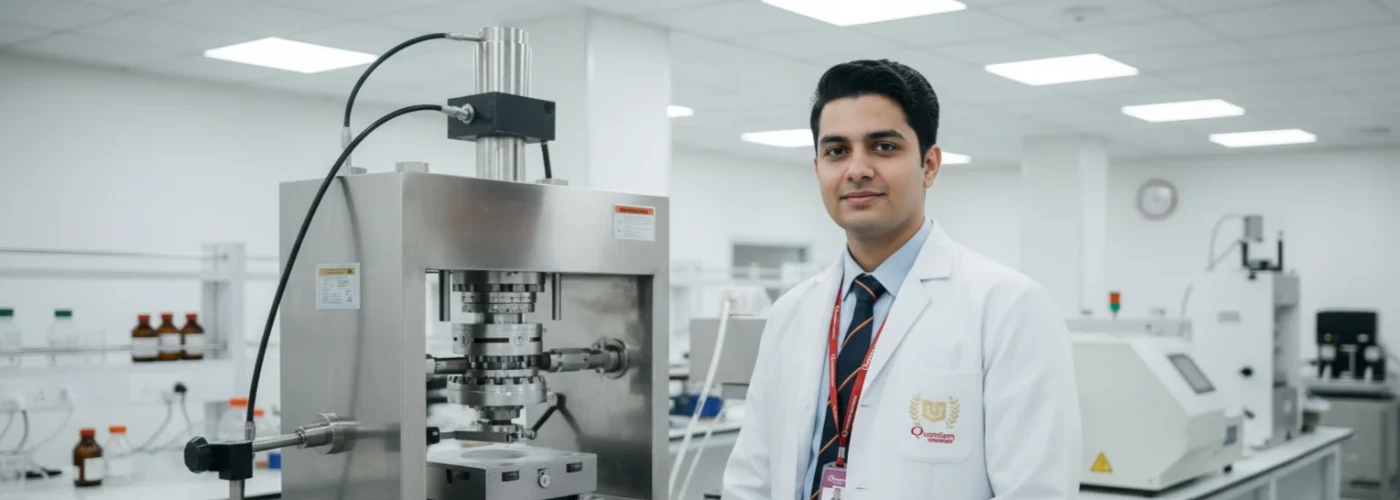
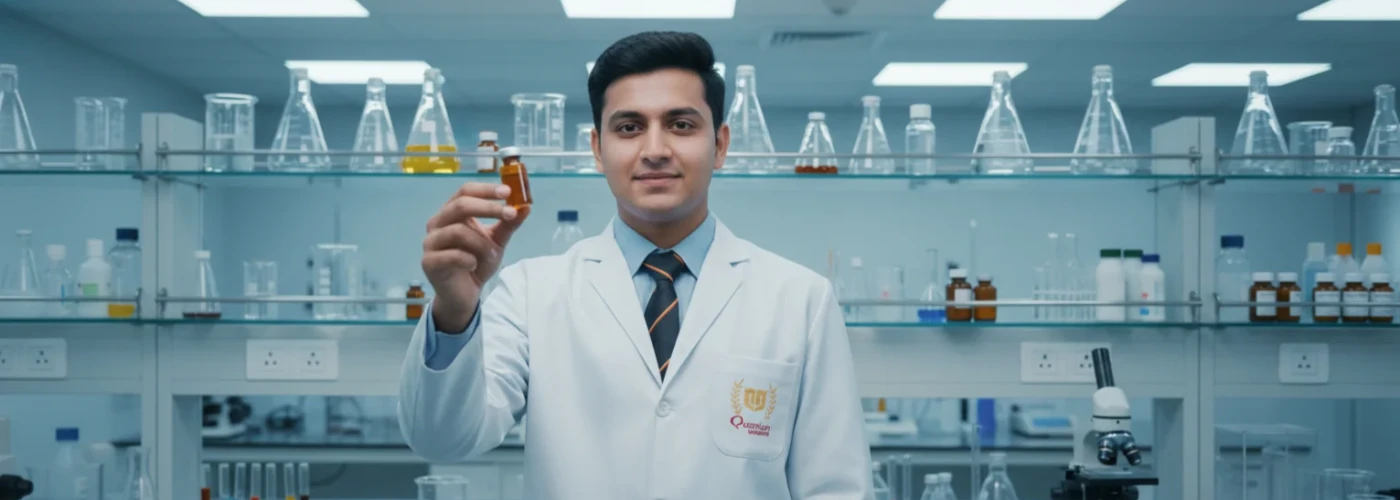
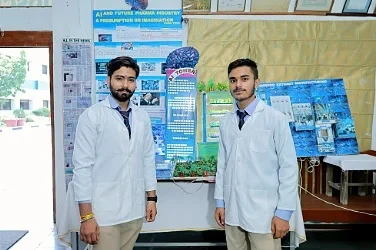
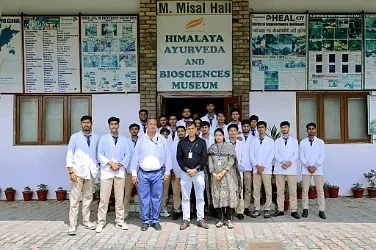
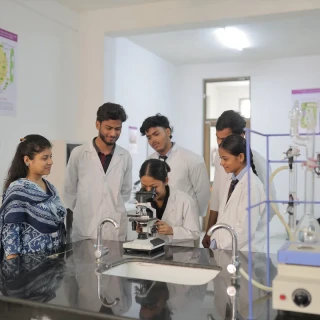
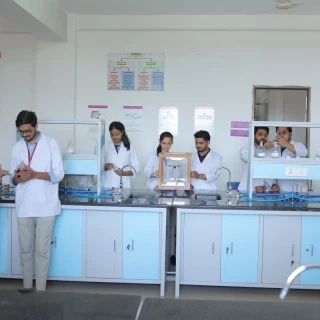
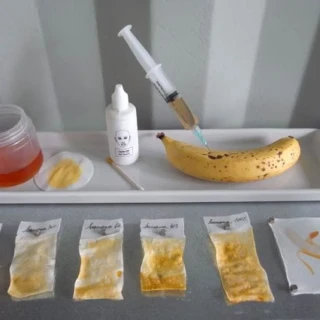
Advanced Workshops and Skill Development are a core part of experiential learning in the M. Pharma (Pharmaceutics) program. These workshops provide hands on training in formulation development, drug delivery systems, and pharmaceutical analysis. Students work with advanced laboratory equipment and industry relevant software to understand processes such as tablet formulation, controlled release systems, and stability studies. The sessions focus on translating theory into practical application through real formulation challenges. By engaging in these workshops, students strengthen technical skills, improve problem solving ability, and gain practical exposure that prepares them for roles in pharmaceutical manufacturing, formulation research, and quality assurance.
Research and Dissertation Work
Research and Dissertation Work form the backbone of experiential learning in the M. Pharma (Pharmaceutics) program. Students undertake in depth research projects focused on formulation development, drug delivery systems, or pharmaceutical technology under faculty guidance. The process includes literature review, experimental design, laboratory trials, data interpretation, and scientific documentation. Through sustained research engagement, students develop analytical thinking, precision, and problem solving skills. This experience bridges academic knowledge with practical research practice, preparing students for careers in formulation research, pharmaceutical manufacturing, quality control, and doctoral studies.
Clinical Nutrition Practicum
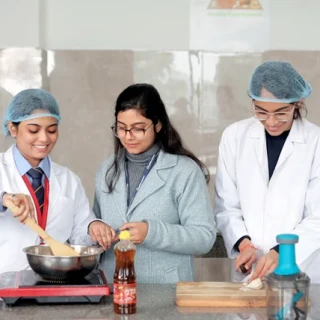
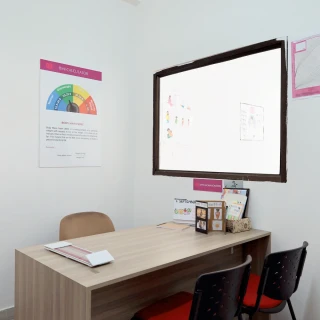
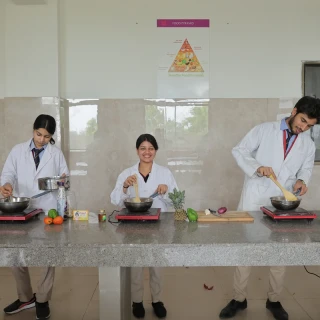
The Clinical Nutrition Practicum is a key experiential learning component of the Clinical Nutrition program. It offers students direct exposure to healthcare and wellness settings where they apply nutritional knowledge in real life situations. Under the guidance of experienced professionals, students assess dietary needs, plan nutrition interventions, and support patient care across different age groups and health conditions. The practicum helps students understand clinical workflows, patient communication, and ethical practice. By combining theory with hands on experience, this practical training builds confidence, professional skills, and readiness for careers in clinical nutrition, hospitals, wellness centers, and community health settings.
Internships and Industry Collaborations
Internships and Industry Collaborations are an essential part of experiential learning in the Clinical Nutrition program. They provide students with practical exposure in hospitals, wellness centers, food industries, and healthcare organizations. Through hands on involvement, students apply nutritional science, diet planning, quality standards, and research skills in real professional environments. Industry collaborations also help students understand workplace expectations, current industry practices, and emerging trends. These experiences strengthen practical competence, professional confidence, and employability, while preparing students for diverse career roles in clinical nutrition, health services, food industry, and nutrition research.
Community Engagement and Nutrition Advocacy
Community Engagement and Nutrition Advocacy are important experiential learning components of the Clinical Nutrition program. Students participate in outreach activities such as nutrition awareness campaigns, health camps, and community education programs. These experiences expose students to real nutritional challenges faced by different population groups. By interacting directly with communities, students learn to design practical nutrition strategies, communicate health messages clearly, and promote healthy eating habits. This hands on involvement builds social responsibility, leadership skills, and ethical awareness, preparing students to contribute effectively to public health nutrition and community wellness initiatives.
Professional Development Activities
Professional Development Activities are a vital part of experiential learning in the Clinical Nutrition program. These activities include workshops, expert talks, career guidance sessions, and skill based training focused on professional growth. Students develop essential competencies such as communication, teamwork, ethical practice, and leadership. Interaction with industry professionals helps students understand career options, workplace standards, and evolving trends in nutrition and healthcare. By supporting both personal and professional development, these activities build confidence, clarity, and readiness for successful careers in clinical nutrition, wellness consulting, public health, and related fields.


 Undergraduate
 Postgraduate



 Career Tracks
  Entrepreneurship
 Higher Studies

















































_1792149278_582f87ff.webp)