


 Undergraduate
 Postgraduate
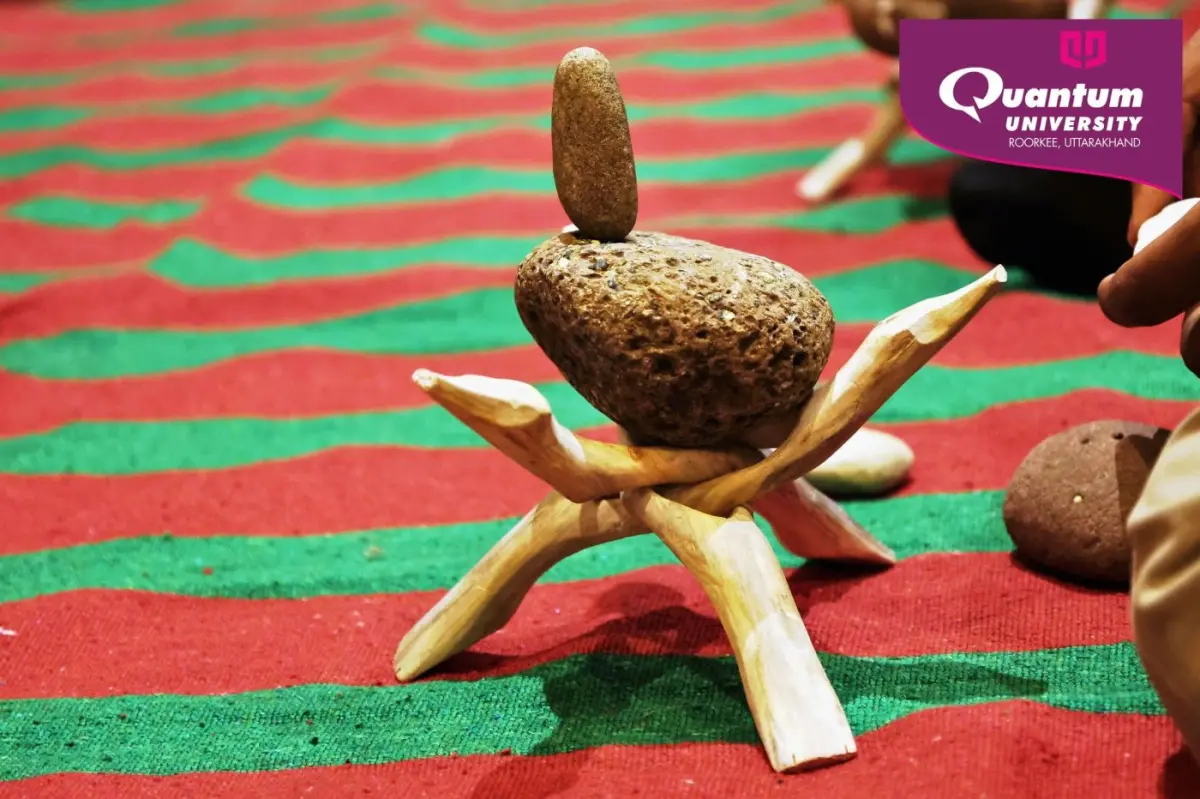
Quantum University hosted an inspiring and unconventional learning session on 5 February 2026, when Gautam Vaishnav, a renowned balancing artist of India and a recent world record holder, visited the campus to conduct a special workshop for students.
The session was organized for MBA 1st year students, offering them an opportunity to experience the fascinating art of rock balancing. During the workshop, students learned how seemingly impossible structures can be created by carefully balancing rocks on a tiny point. Gautam Vaishnav demonstrated the technique and explained the scientific principle behind it, highlighting that at least three points of contact are required to create stability and balance.
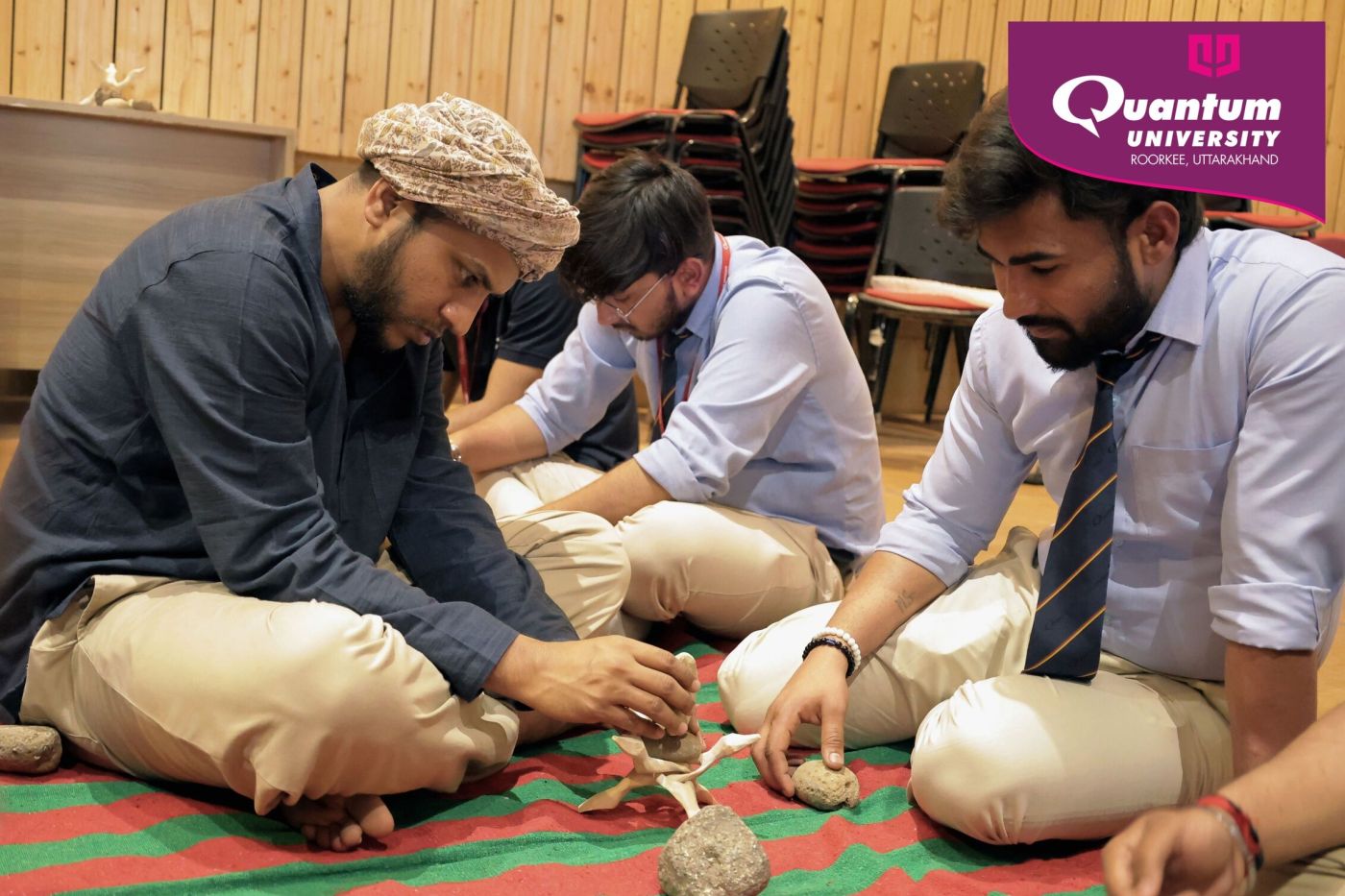
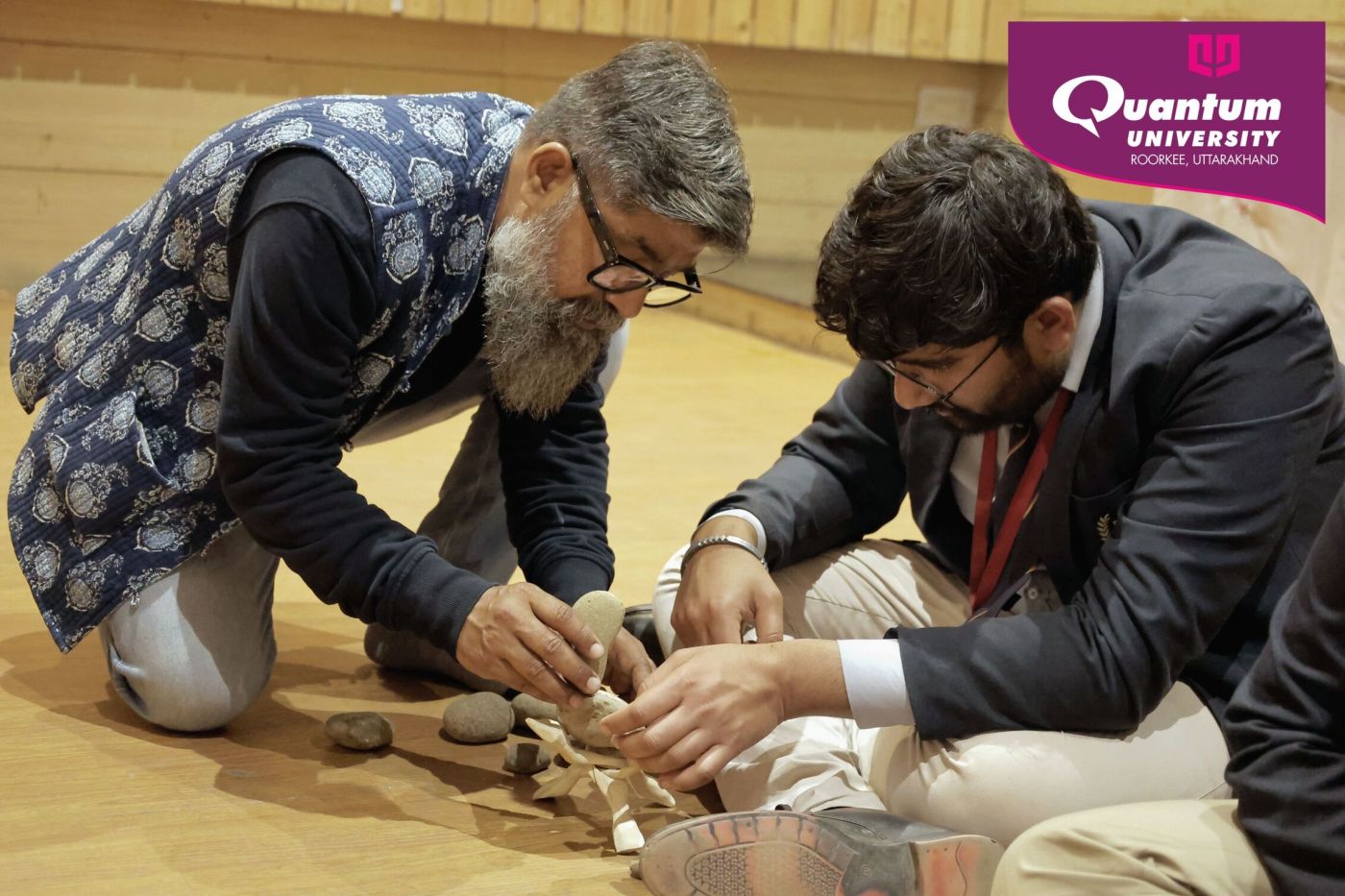
Through live demonstrations and interactive participation, students observed how precision, patience, and attention to detail play a crucial role in achieving balance. What initially appeared to be a simple artistic activity gradually revealed deeper insights into focus, discipline, and control.
Beyond the technical aspects of rock balancing, the workshop delivered meaningful life lessons. Gautam Vaishnav emphasized that the same principles used to balance stones—patience, focus, perseverance, and precision—are equally important in managing life’s challenges and building successful careers. He encouraged students to remain calm and persistent even when situations appear unstable or difficult.
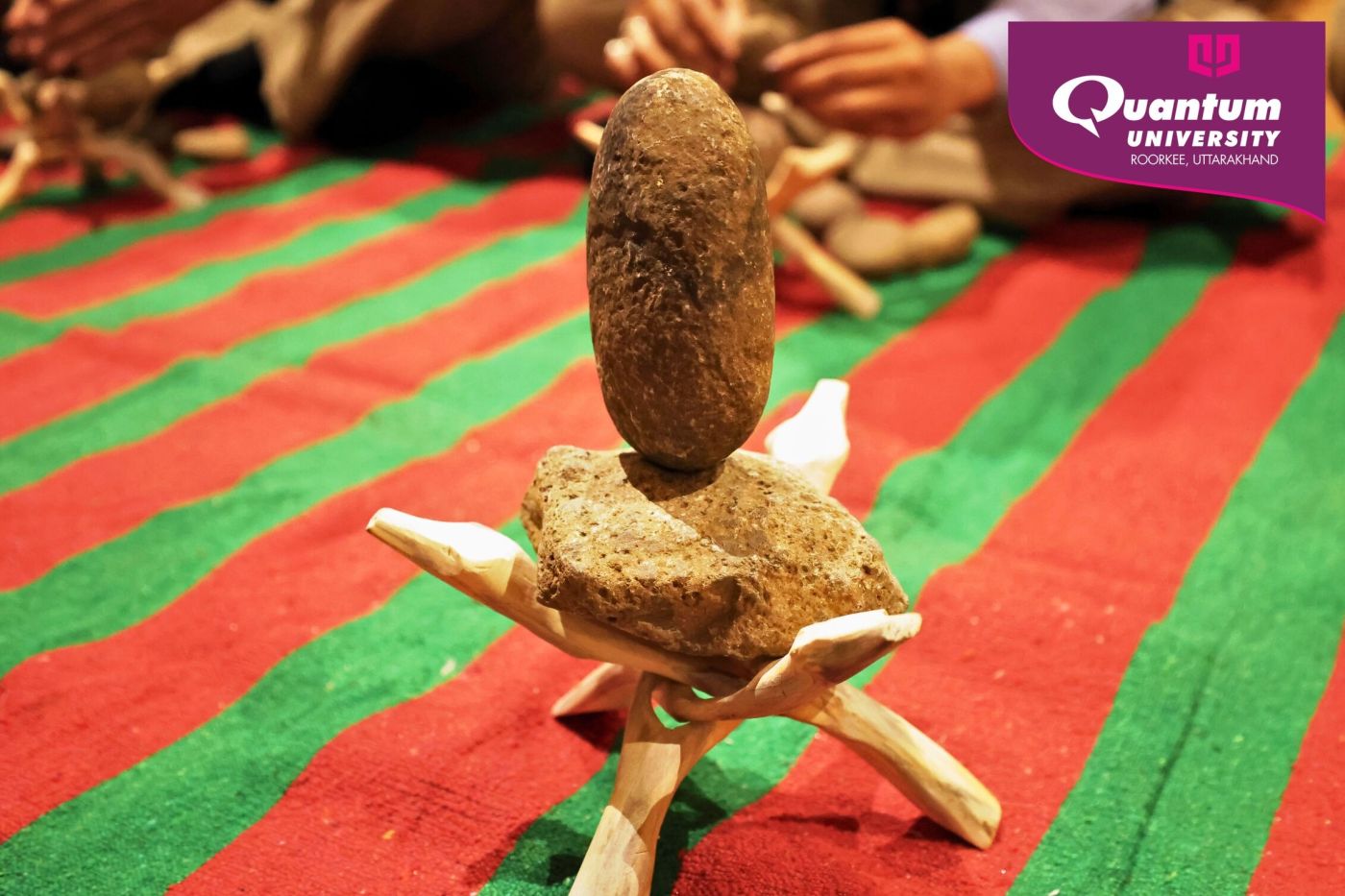
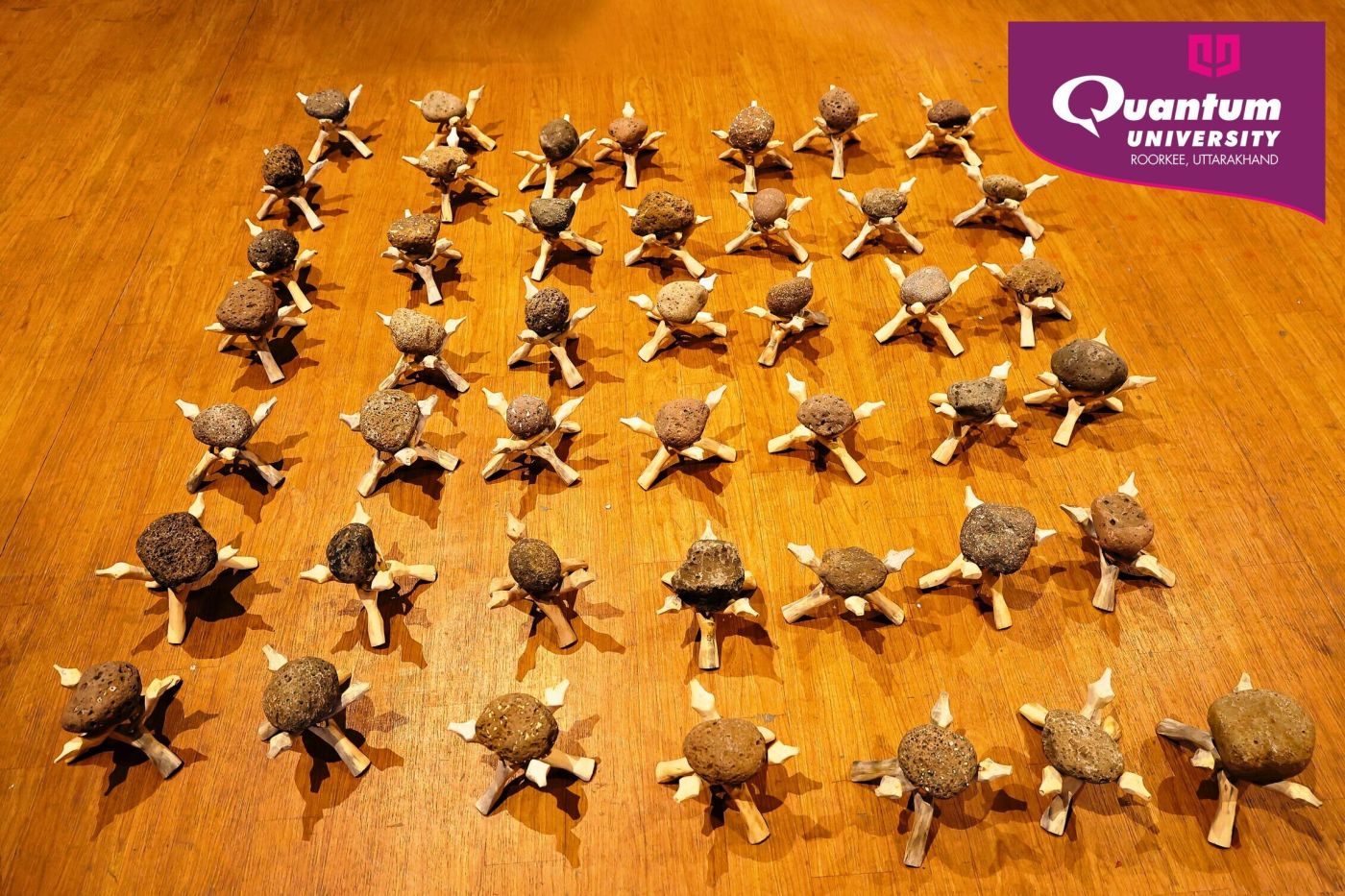
The session created a unique blend of creativity, science, and motivational learning. Students not only gained exposure to an extraordinary art form but also developed a broader perspective on how balance plays an essential role in personal growth, professional development, and decision-making.
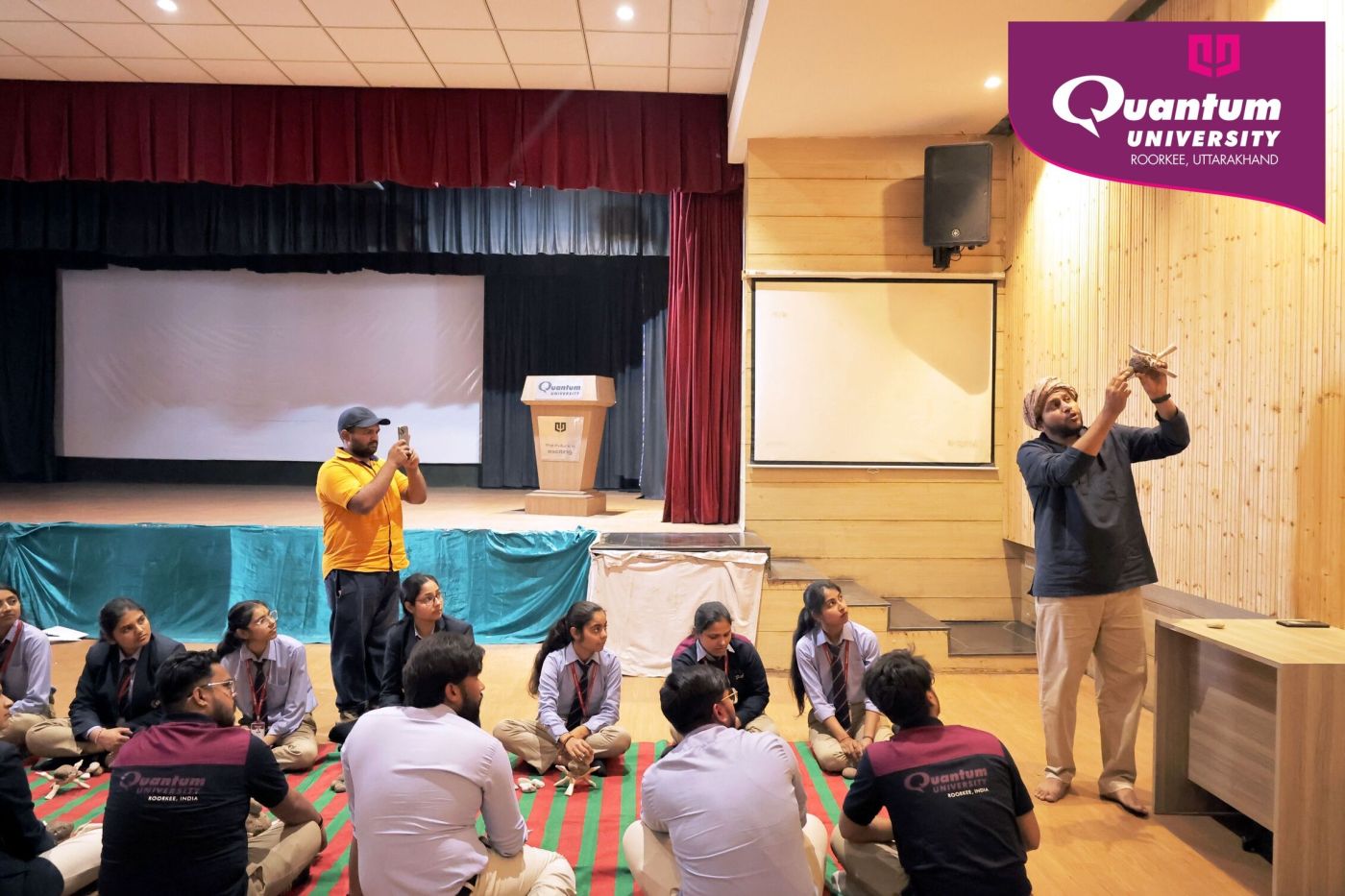
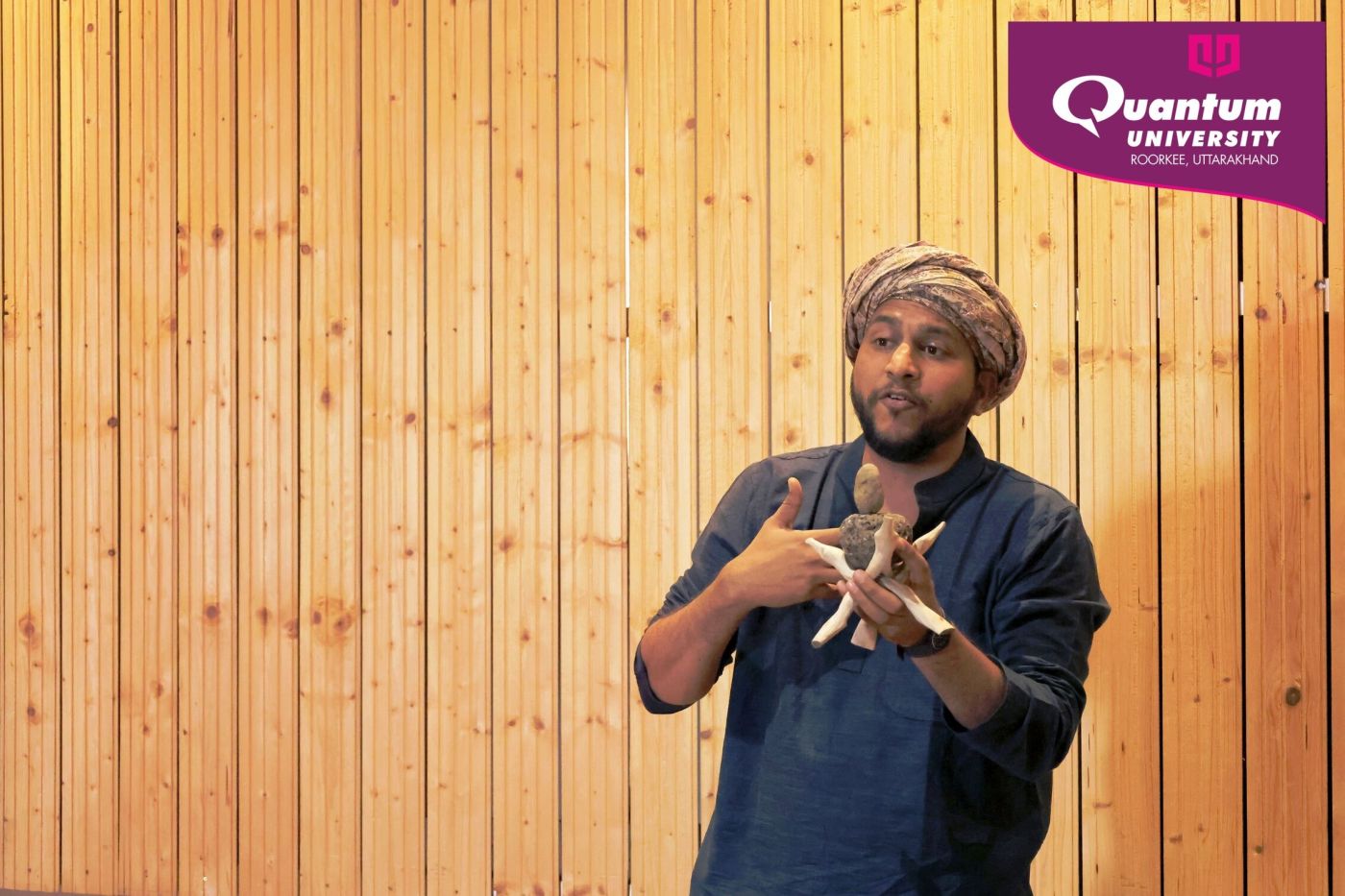
The workshop proved to be an engaging and thought-provoking experience for the participants. It reinforced the idea that with the right mindset, determination, and focus, even the most difficult challenges can be managed effectively.
The event stands as another example of Quantum University’s commitment to experiential learning, where students are encouraged to explore innovative ideas, develop critical life skills, and gain insights that extend beyond traditional classroom education.
