Undergraduate
 Postgraduate
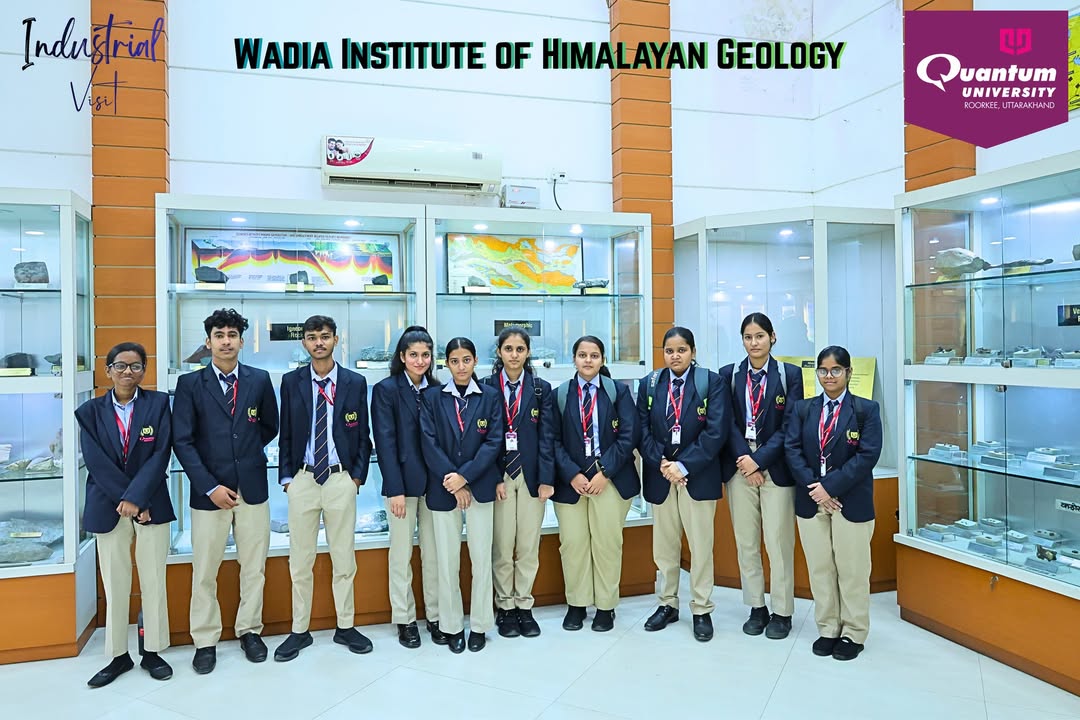
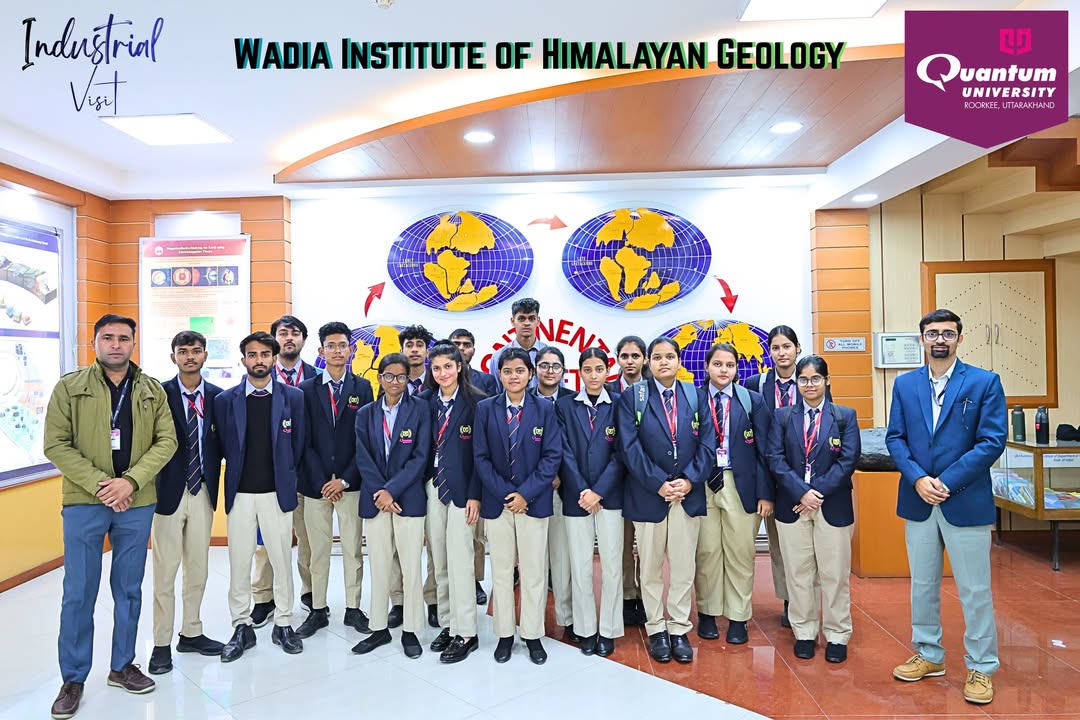
Students visited the Wadia Institute of Himalayan Geology (WIHG), Dehradun, where they were introduced to advanced research focused on the Himalayan region. Scientists and research scholars explained how the institute contributes to major areas of earth science such as geodynamics, seismology, geomorphology, hydrogeology, paleoclimatology and natural hazard assessment. The visit helped students understand how geological research supports society by predicting risks and conserving natural resources.
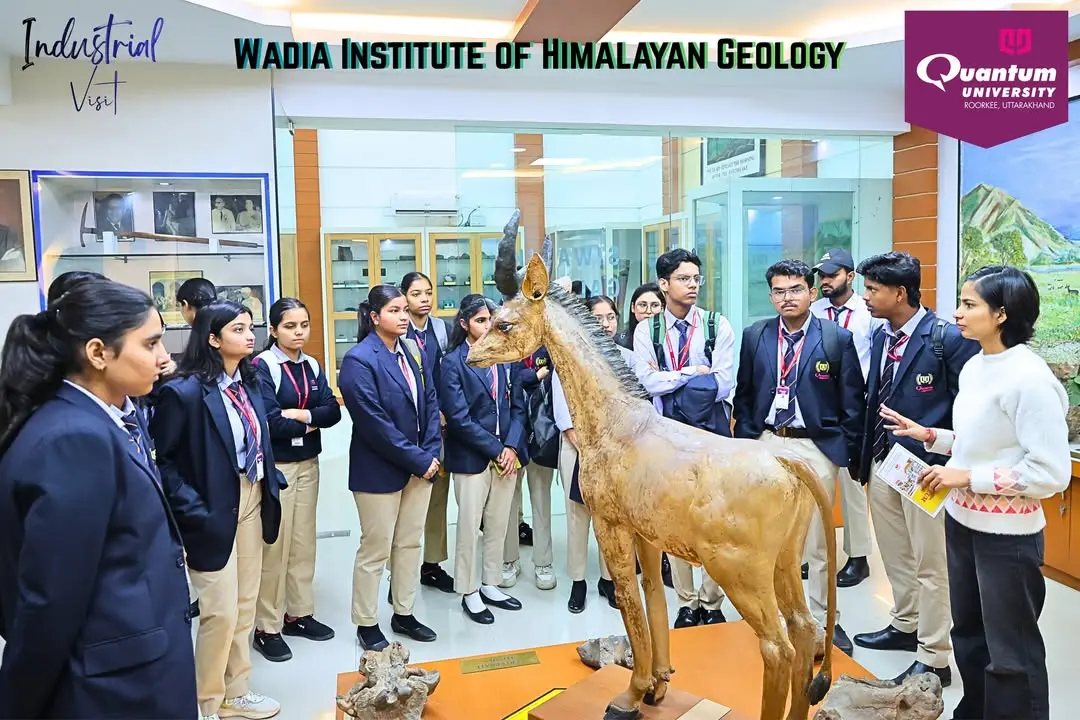
During the visit, students attended an expert lecture delivered by research fellows of WIHG. The session covered Himalayan tectonics, earthquake studies and landslide monitoring using remote sensing and geophysical tools. The speaker highlighted the use of satellite imagery, GIS, geochemical techniques and geochronology in forecasting geological hazards. Students were also encouraged to prepare for national-level examinations and explore higher research opportunities at WIHG, GSI, IITs and CSIR institutions.
The group explored several scientific laboratories under the guidance of research staff, including the Seismology Lab. They observed instruments such as seismographs and digital mapping systems, gaining hands-on experience in data collection and analysis. Research Scholar Dhananjaya demonstrated the working of seismographs and explained how earthquake data is recorded and interpreted. This practical exposure helped students connect theory with real research methods.
After the technical sessions, students enjoyed refreshments on the WIHG campus, giving them time to interact informally and reflect on the scientific concepts learned throughout the day.
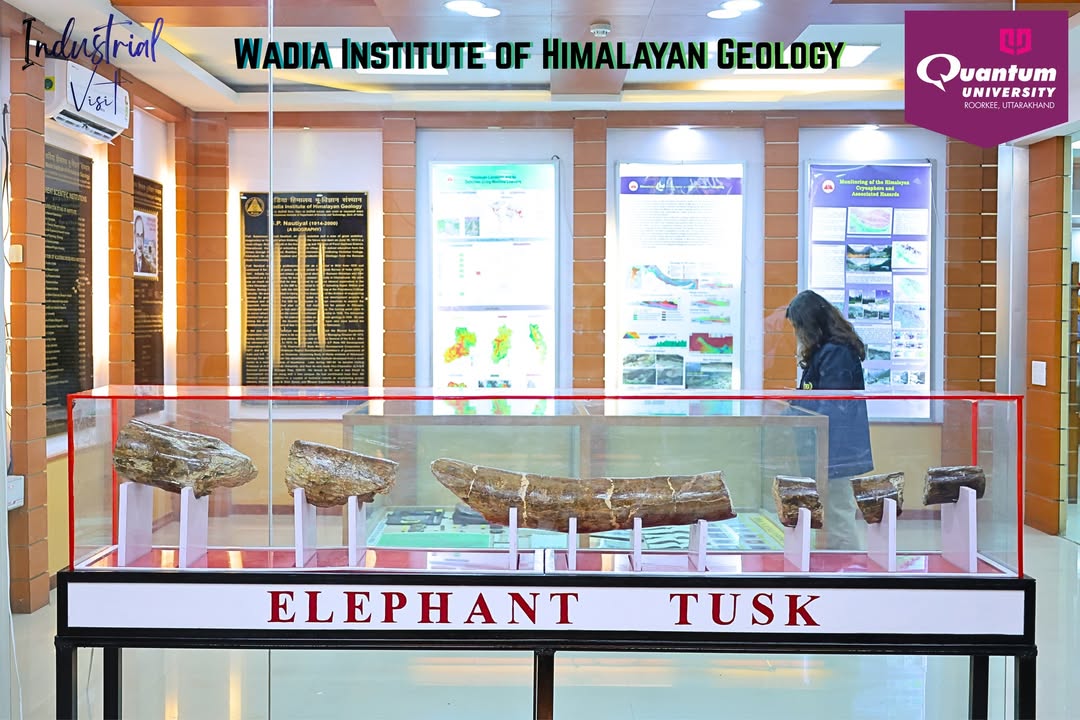
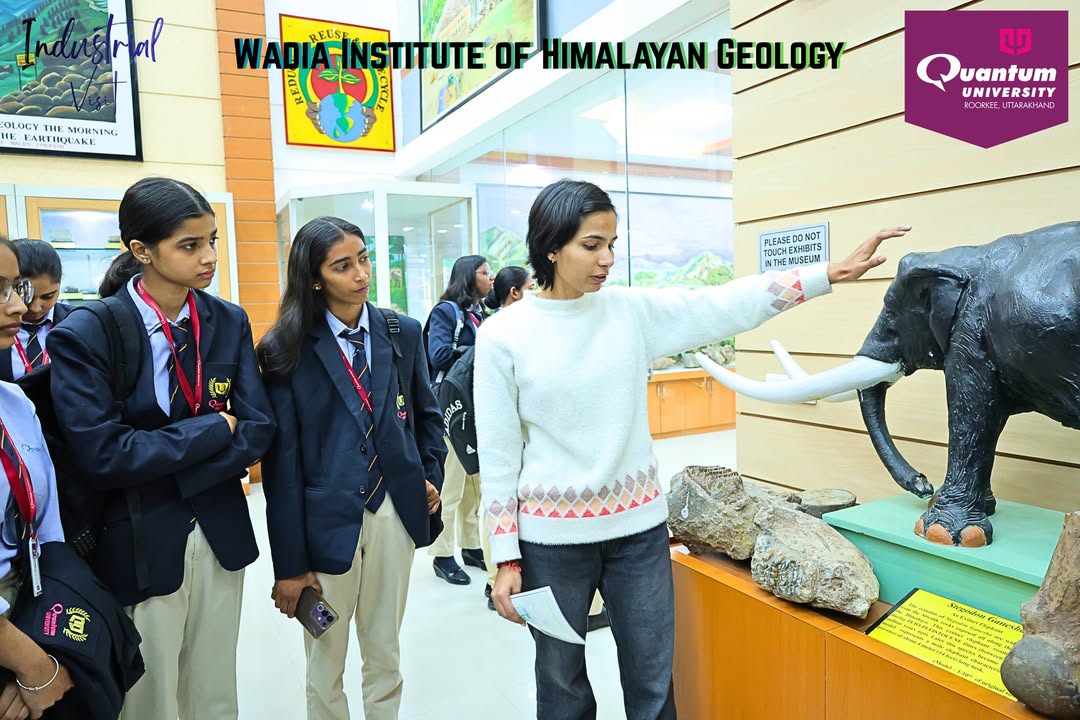
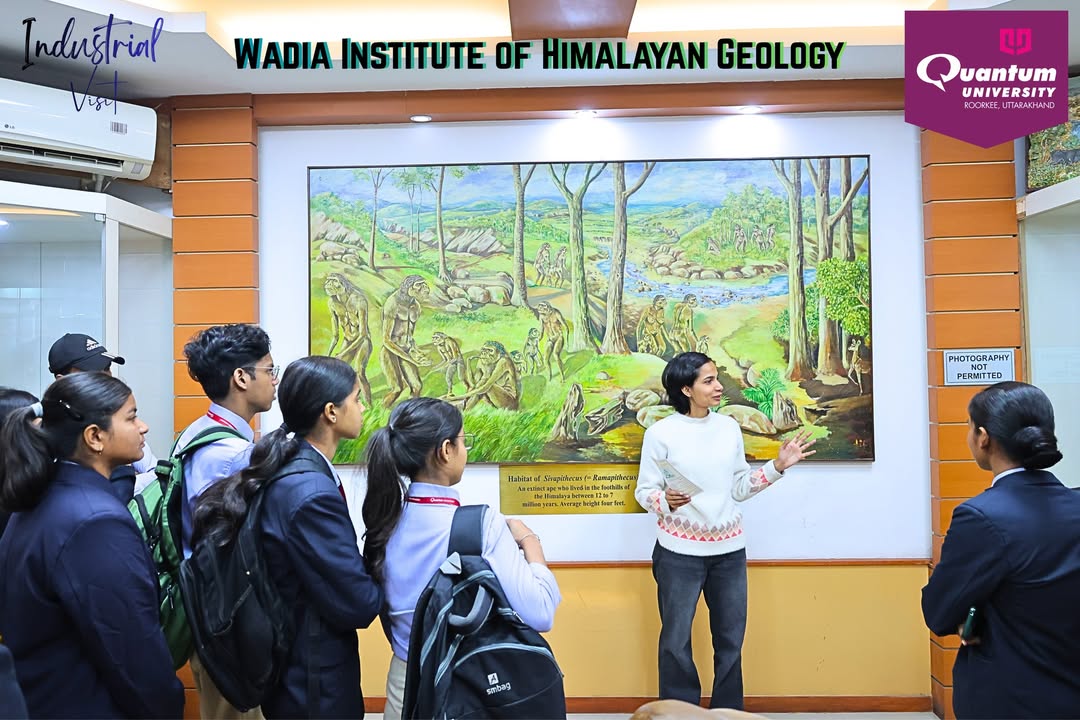
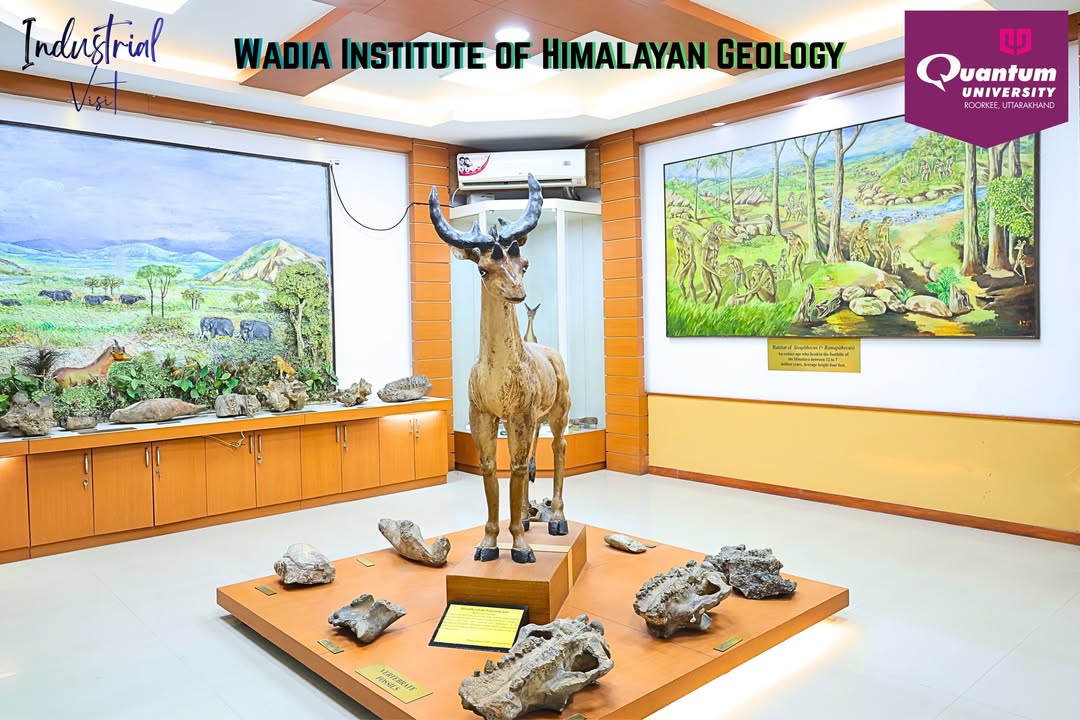
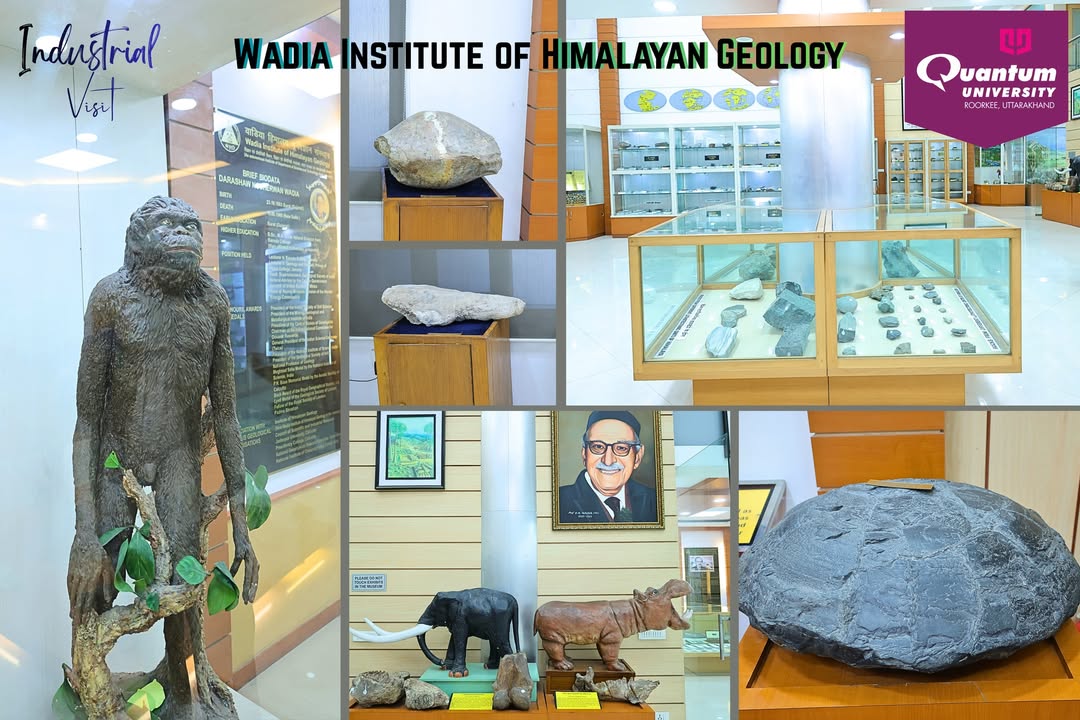
The visit also included a tour of the Wadia Geological Museum. Here, students explored a rich collection of rock samples, mineral specimens, rare Himalayan fossils and realistic 3D geological models. The demonstrations offered insights into the evolution of the Himalayas, the distribution of natural resources and how geological evidence shapes modern research.
Overall, the visit to WIHG was highly informative and academically meaningful. It strengthened students’ scientific curiosity, deepened their understanding of geology and inspired many to consider research-oriented careers in earth sciences and related fields.
Learning Outcomes
- Deeper Understanding of Himalayan Geology
Students gained a clear understanding of the Himalayan structure, tectonic movements, rock formation and seismic activity.
- Exposure to Modern Research Tools
The visit introduced students to tools such as remote sensing, GIS, geophysical surveys and laboratory-based geochemical analysis used in geological research.
- Awareness of Natural Hazard Assessment
Students learned how earthquakes, landslides and climate-related geological risks are predicted and assessed, and how this research supports disaster planning.
- Practical Observation of Instruments and Samples
Hands-on exposure to fossil samples, rock collections, seismographs, petrographic microscopes and spectrometers strengthened their theoretical knowledge.
- Utilization of Academic Resources
The museum and research collections encouraged students to use geological datasets and scientific records for deeper study.
- Motivation for Higher Studies and Research
Interactions with research scholars inspired students to pursue careers in geology, geophysics, environmental science and other earth-science disciplines.